I’ve always had a green thumb—my dad would say I was born with dirt under my nails. Growing up in rural Pennsylvania, I spent summers helping my grandparents tend their vegetable garden, learning how even the smallest seeds could transform into something beautiful. Now, I’m here to share those lessons with anyone eager to dig in and grow. Whether you're a seasoned gardener or just starting with a windowsill herb, my goal is to make planting, nurturing, and harvesting as rewarding as it’s been for me.
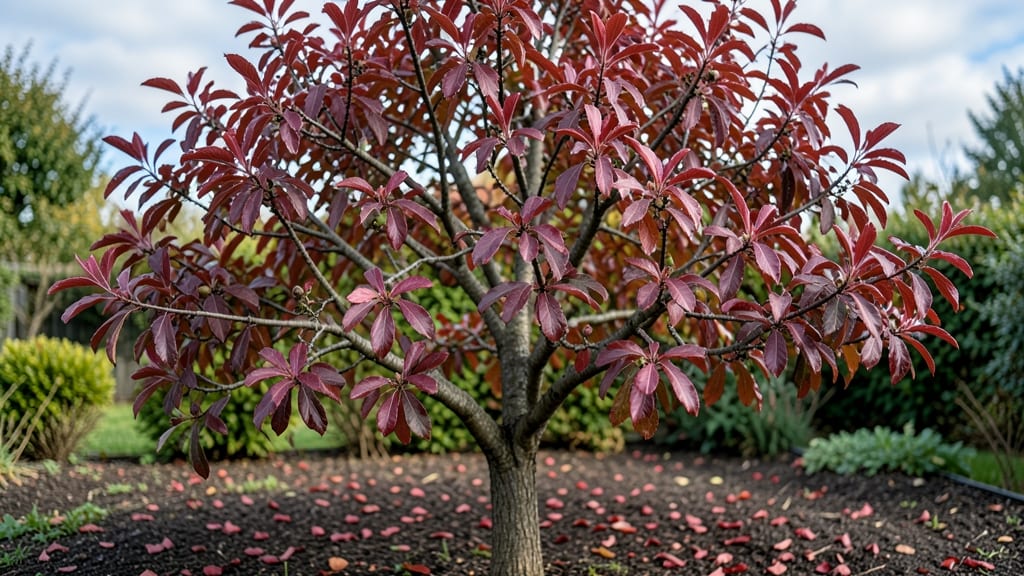
When your pear tree leaves turn red, it’s rarely about fall centerpieces—it’s a cry for help from the tree itself. 🌿 The vibrant red hues signal stress, whether from sunburn, nutrient deficiencies like magnesium, or…
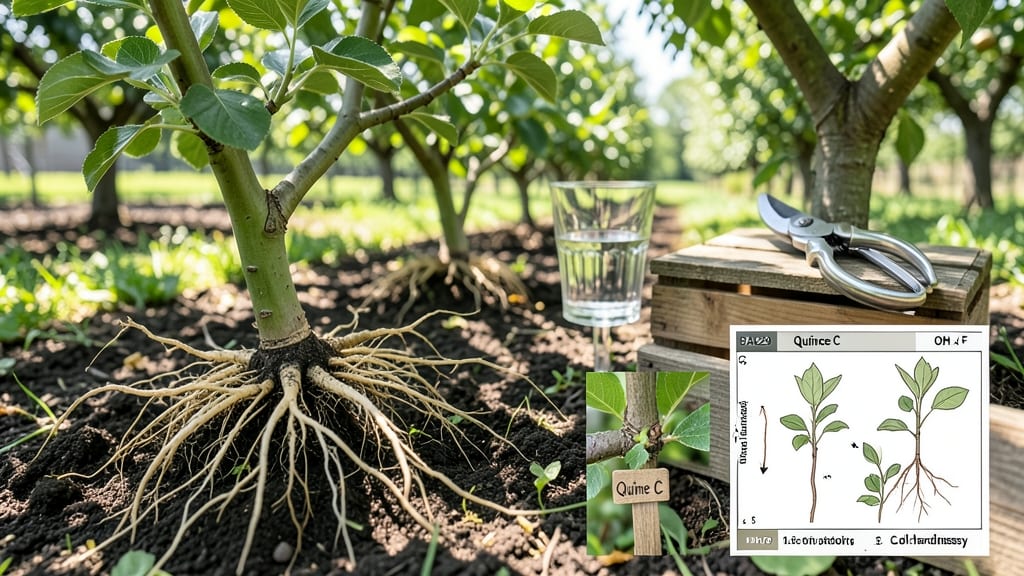
The right pear tree rootstock can turn your backyard into a productive orchard without the space of a full-sized tree. 🌳 I’ve watched my dwarfing rootstock pears produce bushels of fruit while staying small enough to…
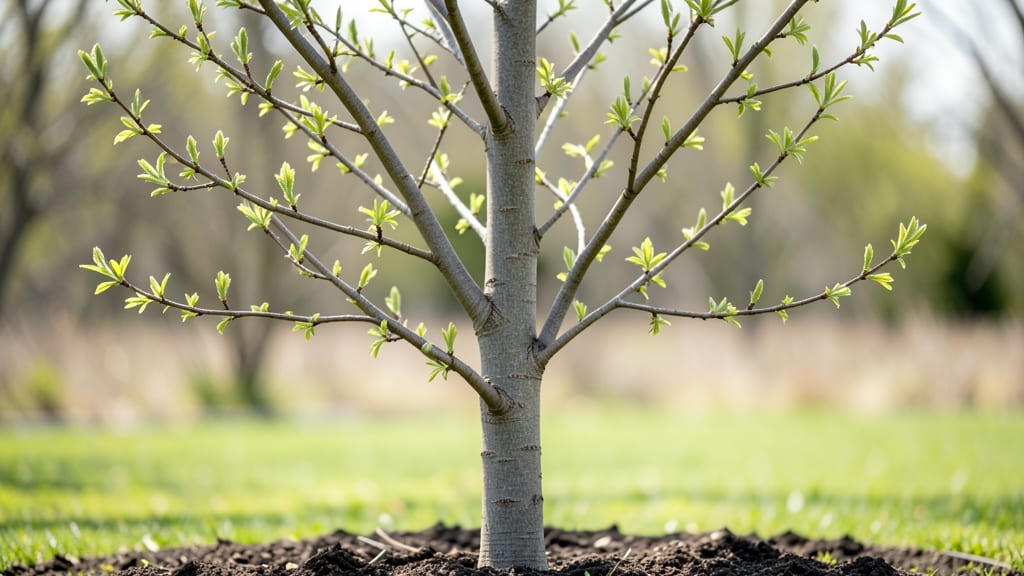
Spring is when your pecan tree’s future nut yield gets decided— pruning now sets the stage for a bumper harvest . 🌱 I’ve watched my tree go from a scraggly mess to a productive powerhouse by following a few key spring…
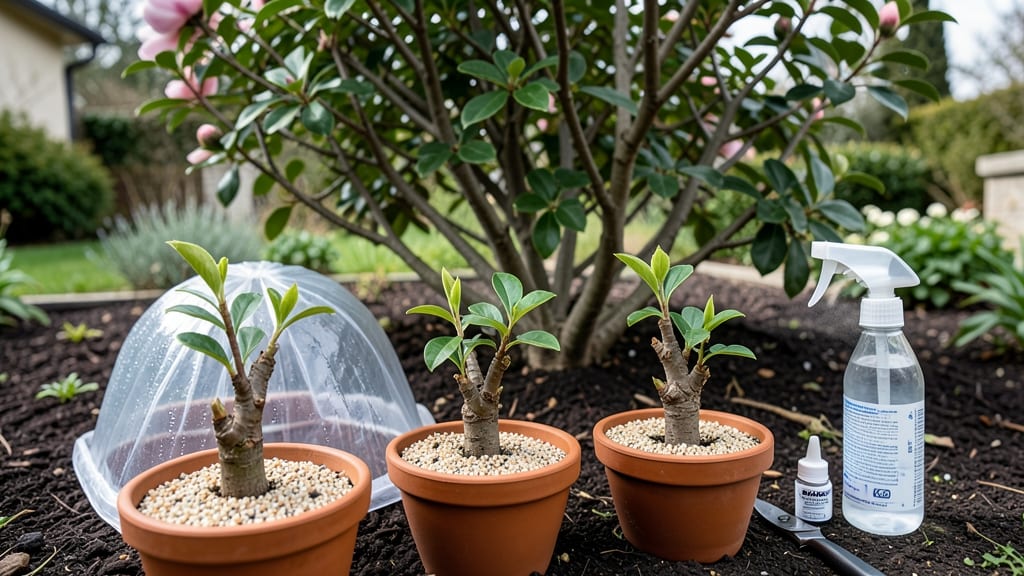
Peony tree propagation through layering turns one plant into three with minimal fuss. 🌿 I’ve struggled with peony cuttings that refuse to root, but layering—where you encourage a stem to grow roots while still…
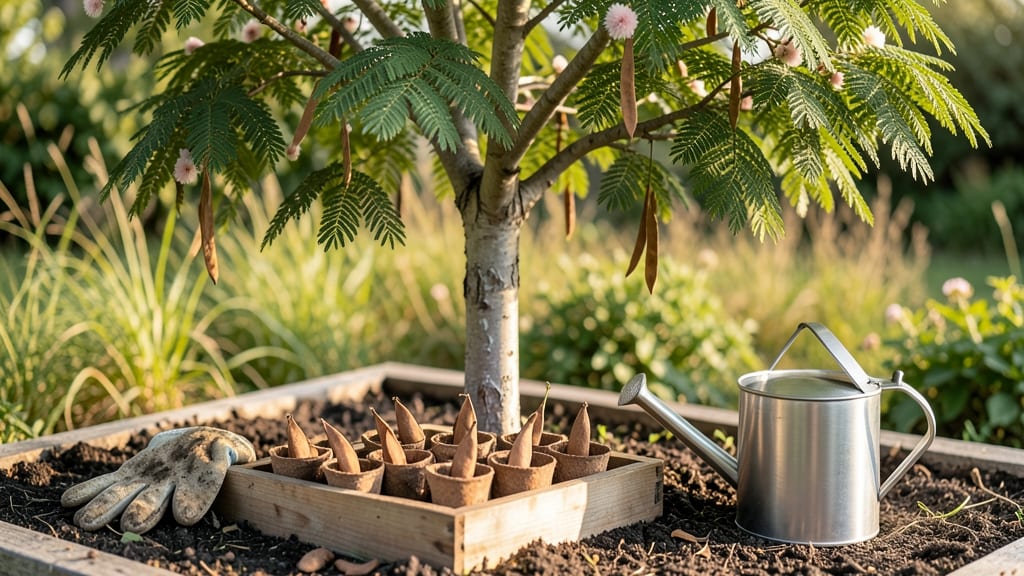
If you’ve ever struggled to grow a Persian silk tree from seeds—only to watch them sit stubbornly in damp soil for months—you’re not alone. 🔍 The secret to breaking their dormancy lies in cold stratification , and the…
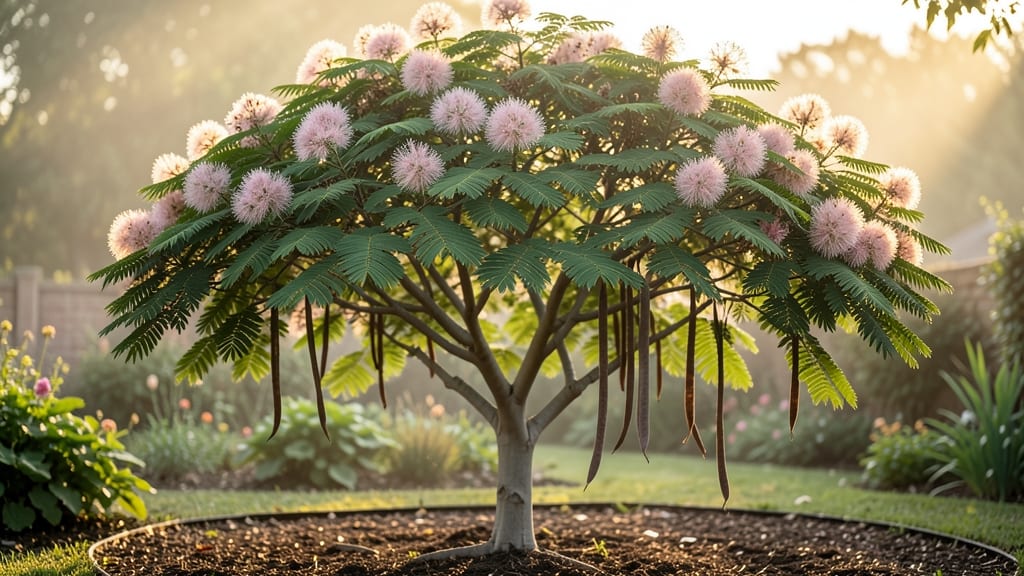
💥 Quick Answer Persian silk trees are prized for their landscape uses, delivering fast shade coverage, water efficiency, and ecological benefits through fragrant blooms and seed pods that draw birds and butterflies…
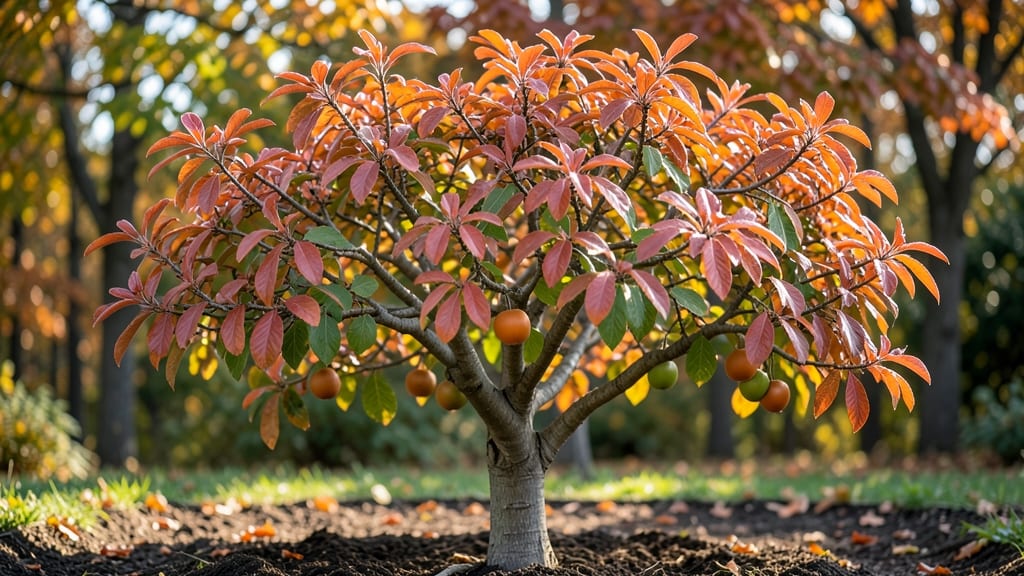
Fall is the perfect time to prune your persimmon tree—just after the leaves turn but before winter sets in. 🍂 I’ve learned the hard way that pruning too early can stress the tree, while waiting too long risks winter…
💥 Quick Answer Persimmon trees in North Carolina thrive in zones 6-9, reaching heights of 20-40 feet depending on the variety, with 'Meader' and 'Fuyu' varieties typically smaller (15-25 feet) and 'American' persimmons…
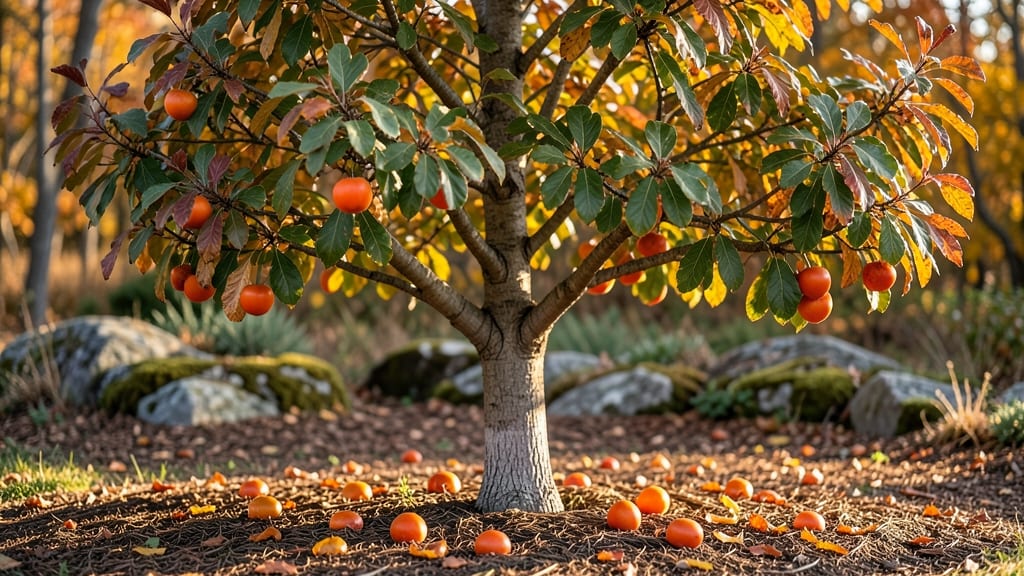
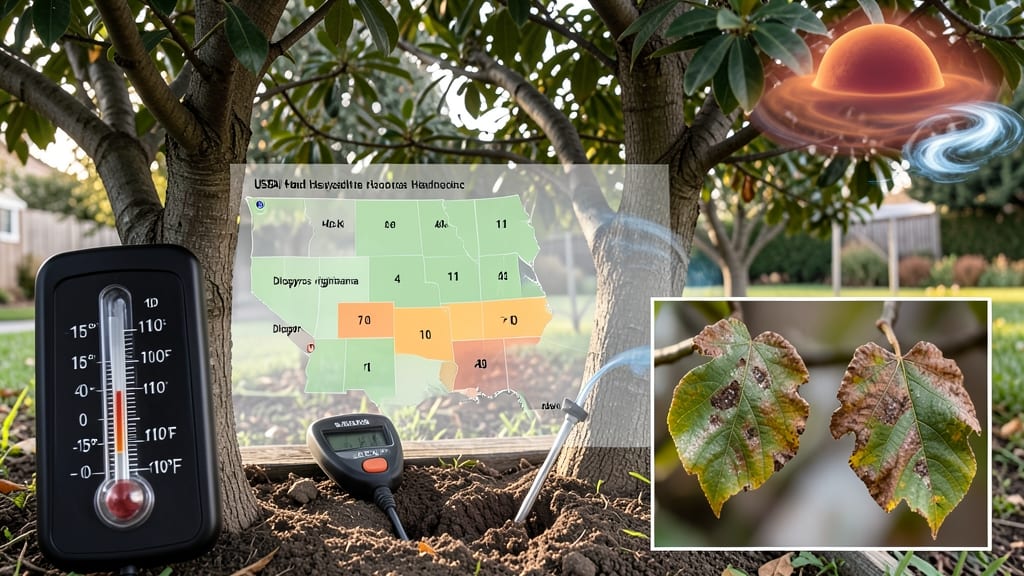
💥 Quick Answer Understanding persimmon tree temperature tolerance reveals they adapt to USDA zones 4-9, with American varieties enduring down to -25°F (-32°C) while Asian types struggle below 10°F (-12°C) . Young trees…
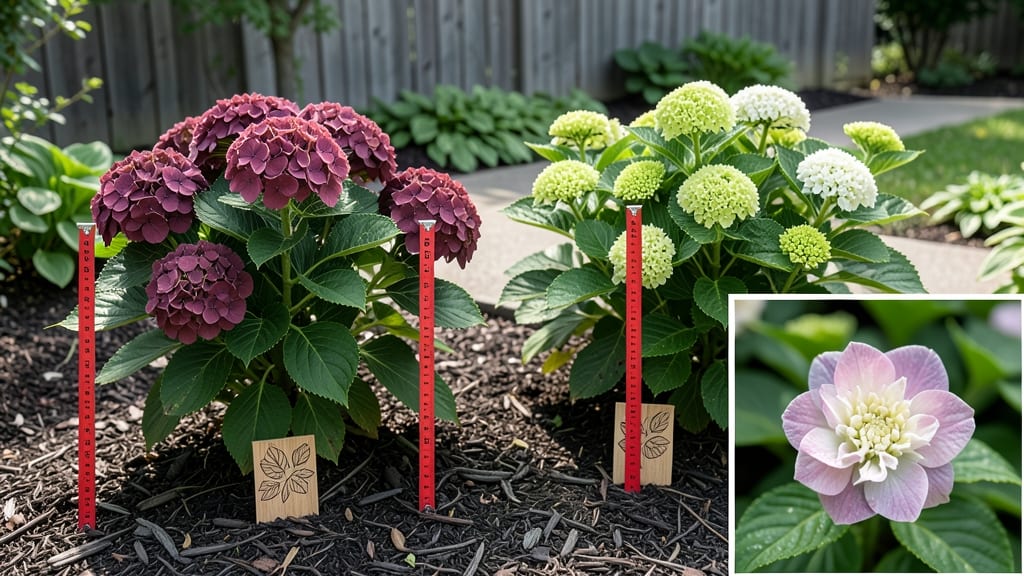
Choosing between the Phantom hydrangea tree vs Limelight comes down to height control and seasonal drama. 🌿 Both are Hydrangea paniculata stars, but Phantom stretches to 12-15 feet while Limelight tops out at 8-10 feet…