
Featured
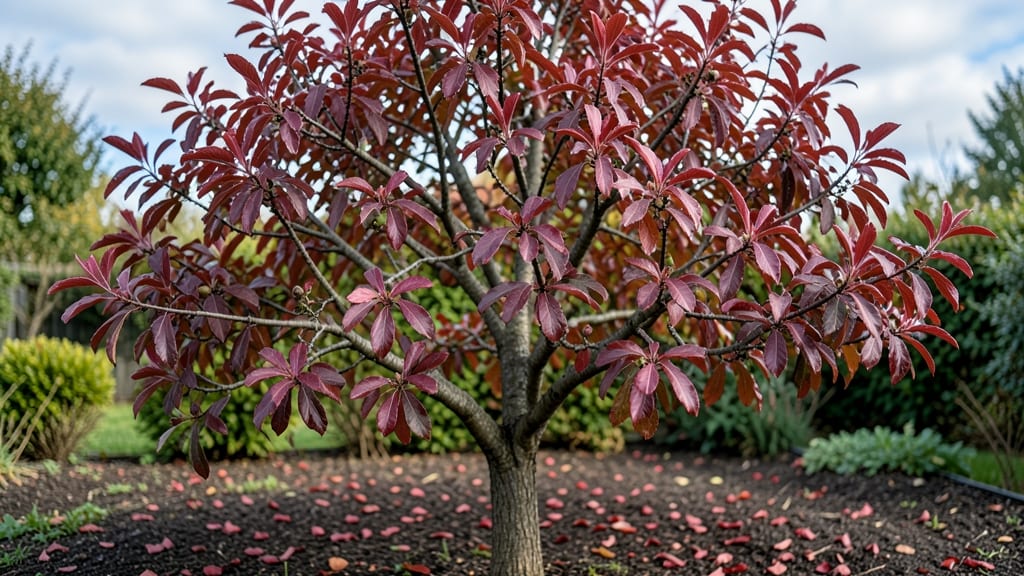
When your pear tree leaves turn red, it’s rarely about fall centerpieces—it’s a cry for help from the tree itself. 🌿 The vibrant red hues signal stress, whether from sunburn, nutrient deficiencies like magnesium, or even bacterial infections such as fire blight.
Before you panic, learn to read the patterns: uniform reddening often means environmental stress, while irregular splotches could point to disease or pests.
First, check the timing—new growth turning red in summer suggests sunburn or water issues, while persistent red in fall may indicate nutrient imbalances. If the leaves also curl or drop prematurely, fire blight or fungal infections are likely culprits.
The good news? Most issues are fixable with targeted care, like adjusting watering, applying balanced fertilizer, or pruning affected branches before the problem spreads.
Start by testing your soil’s pH and magnesium levels—many red-leaf issues stem from simple deficiencies. For bacterial infections, prune infected branches 6 inches below the damage and sterilize tools between cuts.
With the right approach, your pear tree can bounce back, and those leaves will return to their healthy green—no forced fall colors needed.
Prevention is key: mulch properly, avoid overhead watering, and monitor for early signs of stress. A healthy tree won’t just survive—it’ll thrive, producing better fruit and lusher foliage year after year. Let’s get your pear tree back on track.
Understanding Leaf Color Shifts
Before you rush to prune or panic, let’s uncover the science behind those striking red leaves on your pear tree—because nature’s palette isn’t always a sign of distress! 🍂✨ While some causes are harmless seasonal flair, others may signal underlying issues your tree needs.
Here’s a breakdown of the most common triggers, complete with actionable insights to help you diagnose the situation like a pro.
---
Why it happens: Pear trees (like many deciduous varieties) undergo a seasonal chlorophyll breakdown as daylight shortens and temperatures dip. Chlorophyll, the green pigment responsible for photosynthesis, recedes, revealing anthocyanins—the red, purple, or orange pigments lurking beneath. These compounds act as sunblock for leaves, protecting them from excess light exposure during cooler weather.
What to watch for: - Leaves turn uniformly red or purple across the entire tree. - Happens gradually in fall, starting at the top or edges. - No wilting, yellowing, or premature leaf drop.
Actionable tip: 💡 Embrace the show! If your tree is otherwise healthy, this is a sign of maturity—some pear varieties (like the ornamental 'Chanticleer') are bred for vibrant fall foliage. No intervention is needed unless you prefer a green summer-to-winter transition.
---
Why it happens: When pear trees experience environmental stress, they may produce anthocyanins as a protective response. Stressors like: - Drought or overwatering (disrupts nutrient uptake). - Extreme heat or cold snaps (damages cell membranes). - Compacted or poor soil (limits root access to water/nutrients).
These pigments mask nutrient deficiencies (e.g., phosphorus or potassium) by signaling the tree to slow growth and conserve energy. Think of it as your tree’s way of saying, “I’m struggling, but I’m fighting back!”
What to watch for: - Patchy red leaves mixed with green or yellow. - Wilting, curled, or crispy edges on some leaves. - Slow growth or sparse fruit production.
Actionable steps: - Test your soil (pH and nutrient levels) to rule out deficiencies. - Water deeply but infrequently—pear trees hate soggy roots but need consistent moisture. - Mulch around the base (2–3 inches of organic mulch) to insulate roots and retain moisture.
--- Why it happens: Some pests and pathogens trigger reddening as a defense mechanism or secondary symptom.
For example: - Spider mites (tiny pests that suck sap) cause bronzing or reddening on leaves, often paired with stippling (tiny white dots). - Fire blight (a bacterial infection) can turn leaves reddish-brown and crispy, especially at branch tips. - Anthracnose fungus may cause reddish-purple spots with yellow halos.
What to watch for: - Sticky residue (honeydew) on leaves or branches (sign of sap-sucking pests). - Blackened, oozing cankers on stems or bark (fire blight). - Spots, lesions, or mold on the underside of leaves.
Actionable steps: - Inspect leaves closely with a magnifying glass for pests or fungal spores. - Prune infected branches 6–12 inches below the damage (sterilize tools with rubbing alcohol). - Apply neem oil (for mites) or copper fungicide (for bacterial/fungal issues) as a preventive spray.
--- Why it happens: While red leaves can indicate low nitrogen (a common misconception), they’re more often linked to excess phosphorus or potassium relative to nitrogen.
Here’s the breakdown: - Too much phosphorus (from fertilizer or compost) can block nitrogen uptake, causing leaves to turn red or purple. - Potassium deficiency (less common) may cause reddish-brown edges with yellowing between veins.
What to watch for: - Reddish-purple leaves with dark green veins. - Stunted growth or small, weak new leaves. - Soil tests reveal high phosphorus (P) or low nitrogen (N) levels.
Actionable steps: - Test your soil (a DIY kit or lab test costs ~$20 and saves guesswork). - Adjust fertilizers: If phosphorus is high, flush the soil with water and switch to a low-P, high-N fertilizer (e.g., 30-0-0). - Add compost to improve soil structure and balance nutrients naturally.
--- Why it happens: Pear trees adapted to partial shade may develop reddish or scalded patches when exposed to intense afternoon sun, especially after transplanting or pruning. This is sunburn, where UV rays damage leaf cells without chlorophyll’s protective layer.
What to watch for: - Red or white patches on leaves facing the sun. - Leaves appear “bleached” in direct sunlight. - New growth is more affected than mature leaves.
Actionable steps: - Provide afternoon shade with a lightweight shade cloth (30–50% coverage). - Gradually acclimate young trees to full sun over 2–3 weeks. - Water deeply in the morning to reduce stress.
--- While red leaves are often harmless, combine these with other symptoms, and it’s time to act: - Premature leaf drop (leaves falling before winter). - Blackened or mushy stems (fire blight or canker diseases). - Holes in leaves (chewing pests like caterpillars). - No new growth in spring despite warm weather.
Pro tip: ✨ Take a “before” photo of the tree’s condition—it’s the best way to track changes over time and consult an arborist if needed.
Quick fixes for fading foliage
If your pear tree’s leaves are turning a stunning red but you’re worried about premature fall or disease, don’t panic! The right steps can restore vibrancy or even enhance the natural beauty of your tree.
Below, we break down the most common causes of red leaves—and how to address them with simple, effective solutions.
Red leaves often signal a lack of key nutrients. Here’s how to diagnose and fix it:
#### 🔥 Iron or Chlorosis (Yellowing with Red Edges) - Fix: Apply an iron chelate supplement (like iron sulfate or EDTA chelated iron) to the soil or use a foliar spray. For severe cases, amend the soil with compost or well-rotted manure to improve microbial activity. - Prevention: Test soil pH (ideal: 6.0–7.0 for pears). If too alkaline, add sulfur or peat moss to lower pH. #### 🍳 Nitrogen Starvation (Pale Red or Purple Leaves) - Fix: Feed your tree with a balanced fertilizer (10-10-10 or 20-20-20) in early spring or late fall. For organic options, use blood meal or fish emulsion. - Prevention: Mulch around the base (2–4 inches of wood chips or straw) to retain moisture and nutrients.Over- or under-watering can stress pear trees, leading to reddened foliage. Here’s how to strike the right balance:
#### 👨🍳 Drought Stress (Crispy Red Edges) - Fix: Water deeply 1–2 times per week (depending on climate) during dry spells. Use a soaker hose to deliver moisture directly to roots. - Prevention: Install mulch rings to lock in moisture. Avoid shallow watering, which encourages weak root growth. #### 🥘 Overwatering (Yellowing with Red Spots) - Fix: Let the top 2–3 inches of soil dry out between waterings. Improve drainage by amending clay soil with sand or perlite. - Prevention: Plant pear trees on slightly elevated mounds to prevent waterlogging.Extreme heat or cold can shock pear trees, causing reddening. Protect your tree with these adjustments:
#### ☀️ Sun Scorch (Red or Brown Patches on Sun-Exposed Leaves) - Fix: Provide afternoon shade with a temporary shade cloth (30–50% coverage) during peak summer heat. Prune nearby structures to allow airflow. - Prevention: Plant trees in locations with morning sun and afternoon shade, especially in hot climates. #### ❄️ Cold Damage (Red or Blackened Leaves in Spring/Fall) - Fix: Wrap the trunk with tree guard or burlap in late fall to prevent frost cracks. Avoid pruning in late winter when frost is likely. - Prevention: Choose cold-hardy pear varieties (e.g., ‘Kieffer,’ ‘Moonglow’) if you live in Zone 5 or colder.Pests and pathogens can drain your tree’s vitality, leading to red leaves. Try these organic solutions:
#### 🔪 Spider Mites or Aphids (Stippled Red Leaves + Sticky Residue) - Fix: Blast off pests with a strong hose spray. Apply neem oil or insecticidal soap (repeat every 5–7 days). - Prevention: Introduce beneficial insects like ladybugs or lacewings. Prune infected branches immediately. #### 🍄 Fungal Infections (Red Spots or Powdery Coating) - Fix: Remove and destroy infected leaves. Spray with copper fungicide or baking soda mix (1 tbsp baking soda + 1 tsp oil + 1 gallon water). - Prevention: Space trees for good airflow and avoid overhead watering. - 💡 Prune strategically: Remove dead or crossing branches in late winter to improve airflow and sunlight penetration. - 🌡️ Monitor soil moisture: Use a moisture meter to avoid guesswork—pear trees prefer consistently moist (not soggy) soil. - 🎯 Embrace the red: If your tree’s leaves are naturally turning red for fall, lean into it! Use them in centerpieces or pressed art before they drop.With these fixes, your pear tree’s red leaves will either recover their green or put on a show-stopping autumn display. Happy gardening! 🍂🌿
Frequently asked questions
Are red leaves on my pear tree always a sign of disease?
Not necessarily! Many pear trees develop red or purple leaves naturally in fall as chlorophyll breaks down. This is especially common in ornamental varieties like 'Chanticleer'. Look for uniform coloring and no wilting or leaf drop—if the tree looks otherwise healthy, it's likely just seasonal color change.
What's the difference between sunburn and nutrient deficiency red leaves?
Sunburn causes red or white patches only on sun-exposed leaves, often with crispy edges. Nutrient deficiencies (like magnesium or iron) create uniform red/purple coloring across entire leaves, often with yellowing between veins. Check both sides of leaves and the pattern of discoloration to distinguish them.
Can I still harvest fruit from a pear tree with red leaves?
Yes, but monitor the situation! If the red leaves are from environmental stress (like drought), the fruit may still develop normally. However, if caused by disease (like fire blight) or severe nutrient deficiency, fruit quality could suffer. Remove any infected branches immediately and test soil nutrients if you notice poor fruit development.
How quickly should I expect to see improvement after treating red leaves?
It depends on the cause: nutrient deficiencies may show improvement in 2-4 weeks after proper fertilization, while environmental stress can recover in 1-2 weeks with proper watering. For pests or diseases, you might see changes within 7-14 days of treatment. Take progress photos to track changes over time!
Will pruning help red leaves caused by disease?
but do it correctly! For bacterial infections like fire blight, prune 6-12 inches below the affected area and sterilize tools between cuts. For fungal issues, remove all infected leaves and branches. Always prune in dry weather to prevent spreading spores. Never prune when the tree is wet.