
Pruning
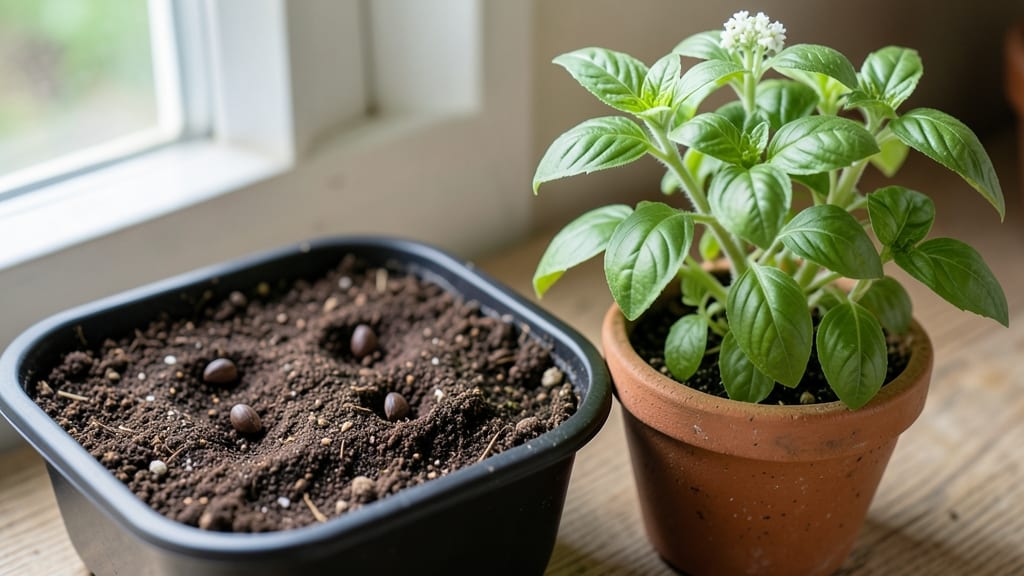
Tree basil seeds sprout faster than you’d expect—within 5-7 days—if you use these pro tricks. 🌱 I’ve grown dozens of batches, and the difference between waiting weeks and seeing those first green leaves comes down to heat, moisture, and a little patience.
The key is replicating the warm, humid conditions they’d find in their native Mediterranean climate, right on your kitchen counter.
You’ll need just three things: a shallow tray or seed-starting pot, a heat mat (or a sunny windowsill), and a spray bottle for gentle watering. Tree basil grows into a bushier plant than traditional basil, with larger, broader leaves perfect for pesto or fresh salads.
The secret to fast germination? Keep the soil consistently warm (around 75-85°F) and moist but never soggy—think of it like a cozy greenhouse in a box.
By day 10, you’ll have sturdy seedlings ready for transplanting, and with proper care, they’ll start producing those signature basil leaves in about 6-8 weeks. The plants stay productive for months if you prune them regularly, and they handle heat better than most basil varieties.
No more waiting for slow starters—this method turns seeds into a thriving herb garden in record time.
Works perfectly for apartment balconies, kitchen windowsills, or even a small greenhouse setup. Once you master this technique, you’ll never buy basil from the store again—just imagine snipping fresh leaves straight from your own plants all summer long.
📚 In This Guide
- What you need
- Instructions
- Tips and common mistakes
- Wrapping up and next steps
What you need
- ● Tree basil seeds: 1 packet (100-200 seeds) – Opt for organic, non-GMO seeds for best results.
- ● Seed-starting mix: 1 bag (1-2 quarts) – Lightweight, well-draining potting soil (avoid garden soil).
- ● Seed trays or small pots: 4-6 (2-3 inches deep) – With drainage holes to prevent root rot.
- ● Plastic wrap or clear lid: 1 – To create a humidity dome for germination.
- ● Spray bottle: 1 – For gentle watering (avoid soaking the soil).
- ● Grow lights or sunny windowsill: – A south-facing window or LED grow lights (12-16 hrs/day).
- ● Heat mat: 1 – Keeps soil warm (70-80°F) to speed up germination.
- ● Humidity dome: 1 – If not using plastic wrap.
- ● Fertilizer (balanced, water-soluble): 1 bottle – For post-germination growth (e.g., 10-10-10 NPK).
- ● Pruning shears: 1 – For trimming later stages (if growing as a tree basil).
Step-by-step instructions for growing tree basil from seeds
Here’s how to coax those fast-germinating tree basil seeds into vigorous plants ready for transplanting.
🌱 Step 1: Pre-Soak Seeds to Jumpstart Germination
Tree basil seeds have a tough outer coating that slows germination. Place them in a small bowl and cover with lukewarm water for 12 hours. This softens the seed coat and triggers faster sprouting. I like to use a fine-mesh strainer to keep seeds contained while soaking.
After soaking, drain the water and let the seeds sit for another 30 minutes to absorb any excess moisture. You’ll notice the seed coats soften slightly—this is your signal they’re ready for planting. Don’t skip this step; it cuts germination time by nearly half.
💧 Step 2: Plant in Moist, Well-Draining Soil
Fill small seed-starting pots with a lightweight seed-starting mix (avoid garden soil—it’s too dense). Moisten the mix until it’s damp but not soggy, then press it down gently to create a firm planting surface. Tree basil seeds need good airflow to prevent damping-off, so avoid compacting the soil too much.
Plant the soaked seeds ¼ inch deep—just enough to cover them lightly. Space them 1 inch apart in each pot since they’ll germinate quickly. Mist the soil surface with a spray bottle to ensure even moisture without disturbing the seeds. Cover the pots with a clear plastic dome or wrap them in plastic wrap to retain humidity and warmth.
☀️ Step 3: Provide Warmth and Indirect Light
Tree basil seeds germinate fastest in 75-85°F soil. Place the pots on a seedling heat mat or in a warm spot like the top of your fridge. Germination should occur in 5-7 days, though some seeds may sprout in as little as 3 days if conditions are ideal.
Once sprouts appear, remove the plastic cover immediately to prevent fungal growth. Move the seedlings to a bright location with indirect light—direct sun can scorch tender new leaves. A south-facing window with sheer curtains works well. You’ll see the first true leaves (not the initial cotyledons) emerge within 10-14 days.
🌿 Step 4: Thin and Transplant for Strong Growth
When seedlings develop 2-3 sets of true leaves, thin the weakest plants in each pot, leaving the strongest seedling. Handle them gently to avoid damaging delicate stems. If you’re transplanting, choose a larger pot with drainage holes and fill it with fresh potting mix.
Dig a hole slightly deeper than the seedling’s root ball and place it in the center. Firm the soil around the base to eliminate air pockets. Water lightly to settle the roots, then place the pot in a spot with 6+ hours of sunlight daily. You’ll notice new growth within a week—that’s your signal everything is working.
✂️ Step 5: Prune and Harvest for Bushier Plants
Once your tree basil reaches 6-8 inches tall, pinch off the top set of leaves just above a pair of lower leaves. This encourages branching and a fuller, bushier plant. Repeat this pruning every 4-6 weeks to maintain shape and promote continuous harvests.
Harvest leaves as needed by snipping just above a leaf node. Avoid taking more than ⅓ of the plant at once to prevent stress. With proper care, your tree basil will keep producing lush, flavorful leaves for months—ideal for pesto, salads, or fresh garnishes.
Tips & tricks for perfect tree basil growth
Fast germination isn't just about luck—these pro tips will help you skip the common pitfalls and get your tree basil thriving in record time.
Soak Smarter: The 12-hour lukewarm water soak is non-negotiable, but here's the secret: use filtered water if possible—chlorine can inhibit germination. I like to add a drop of honey (just a pinch!) to the soak water to encourage microbial activity that helps break down the seed coat faster. After soaking, pat the seeds dry with a paper towel before planting—they'll germinate faster when they're not sitting in moisture.
Heat Hack: Those 75-85°F soil temperatures are critical, but achieving them can be tricky. I place my seed-starting pots on top of my refrigerator (not inside—just on top) for consistent warmth without overheating. Alternatively, use a seedling heat mat set to medium heat. Pro tip: Check soil temp with a thermometer—if it drops below 70°F, germination slows dramatically.
Light Transition Strategy: When moving seedlings from plastic cover to indirect light in Step 3, do it gradually over 2-3 days. Start by uncovering just one side for a few hours, then increase exposure daily. This prevents "sun shock" that can scorch tender new leaves. I also rotate my pots daily so all sides get even light exposure—this creates more uniform growth.
Pruning Precision: That 6-8 inch mark for first pruning is your cue to start shaping your plant. Use clean, sharp scissors to make cuts just above a leaf node (where new leaves emerge). This encourages branching at exactly the right spots. I like to do my first pruning in the morning—new growth is most vigorous then, and the plant has time to recover before evening.
Pro Tips for Tree Basil Seeds
- Fast germination isn't just about luck—these pro tips will help you skip the common pitfalls and get your tree basil ...
- Soak Smarter: The 12-hour lukewarm water soak is non-negotiable, but here's the secret: use filtered water if possibl...
- Heat Hack: Those 75-85°F soil temperatures are critical, but achieving them can be tricky. I place my seed-starting p...
Frequently asked questions
Got questions about growing tree basil from seeds?
You’re not alone! Here are answers to the most common queries to help you grow a thriving basil garden with ease.
How long does it take for tree basil seeds to germinate?
Tree basil seeds typically sprout within 7–14 days under ideal conditions—warmth (70–80°F), consistent moisture, and indirect light. For faster results, soak seeds overnight in warm water or use a seedling heat mat. Patience pays off, but if nothing emerges after 3 weeks, try fresh seeds!
Why aren’t my tree basil seeds sprouting?
Seeds may fail to germinate due to cold temperatures, dry soil, or old seeds. Double-check your setup:
- Keep soil consistently moist (not soggy).
- Ensure warmth (use a heating pad if needed).
- Test seed viability by scratching a few—if hard, they’re likely viable.
Can I plant tree basil seeds directly outside?
Direct outdoor planting is risky unless your climate stays warm (above 50°F) year-round. Most gardeners start seeds indoors 4–6 weeks before the last frost, then transplant seedlings after hardening off. For colder regions, use grow lights or a greenhouse to extend the season.
What’s the difference between tree basil seeds and regular basil seeds?
Tree basil (Ocimum basilicum) grows taller (up to 5 feet!) with larger leaves and a more robust structure than compact varieties like Genovese. While flavor differs slightly (tree basil has a milder, slightly sweet taste), both thrive in similar conditions. Choose tree basil for bigger harvests and vertical gardening!
What can I do if my seedlings look leggy or weak?
Leggy seedlings need more light! Move them to a sunny windowsill or under grow lights 12–16 hours/day. Avoid overcrowding—thin seedlings to 2–3 inches apart. Pinch the tops when they’re 4–6 inches tall to encourage bushier growth. Pro tip: Use reflective surfaces (like aluminum foil) to maximize light exposure!
Wrapping up and next steps
Growing tree basil seeds is a rewarding journey that delivers fast germination and vibrant harvests—with the right tricks up your sleeve! 🌱 Whether you’re a seasoned gardener or just starting, these tips ensure your plants thrive from seed to table.
Now that you’re armed with proven techniques, FAQ answers, and the essential tools, it’s time to roll up your sleeves and plant those seeds.
Ready to taste your homegrown success? Start small, experiment, and watch your basil flourish! Happy gardening!