
Pruning
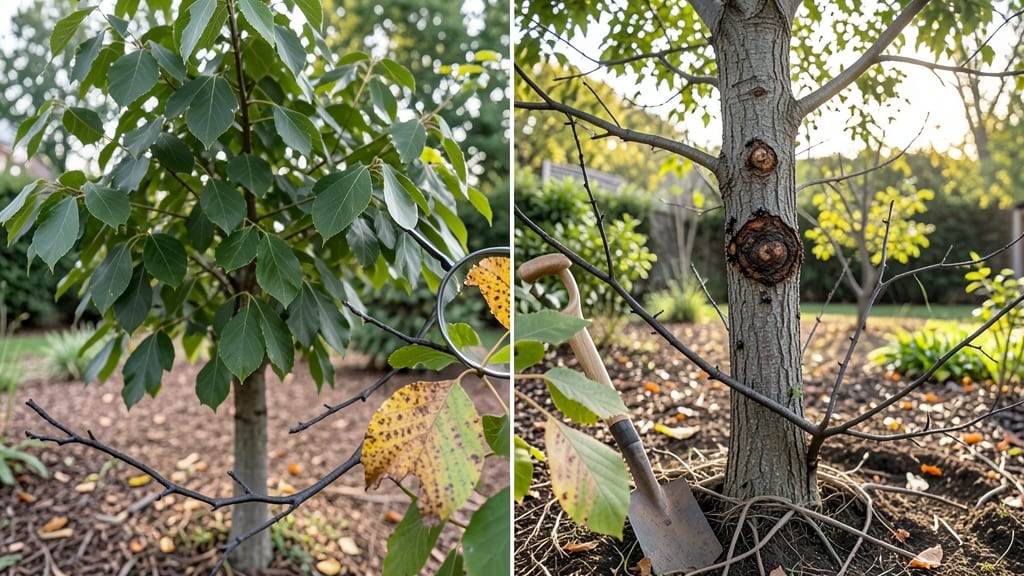
Siberian elm trees develop stubborn problems that can leave you staring at yellowing leaves or brittle branches, wondering what went wrong. 🌳 I’ve wrestled with these same issues—from fungal spots to aggressive pests—and learned which fixes actually work.
The good news? Most problems respond to targeted action before they spiral out of control.
Think of it like a diagnostic puzzle: discolored leaves often mean fungal infections or nutrient deficiencies, while bark splits or oozing sap signal stress from drought or pests like elm leaf beetles.
The key is catching these signs early—before they turn into full-blown crises. My Siberian elm went from struggling to thriving in just one season after addressing these five common culprits.
You’ll walk away with a clear plan: how to prune correctly to improve airflow, when to apply natural fungicides, and which pests to watch for year-round. No more guessing—just practical steps that actually fix the root cause.
The payoff? A sturdy, healthy tree that stays resilient through droughts, storms, and even urban pollution.
Whether you’re dealing with a young sapling or a mature specimen, these solutions adapt to any stage. Let’s tackle the most frustrating Siberian elm problems head-on—starting with the quick fixes that make the biggest difference.
Root Causes Behind Siberian Elm Struggles
Siberian elm trees (Ulmus pumila) are hardy, fast-growing plants, but they’re not immune to stress. Understanding why these issues arise helps you address them effectively. Below, we break down the science behind the most common problems—from fungal infections to poor growth—so you can take targeted action.
Siberian elms are particularly vulnerable to Dutch elm disease (DED) and elm leaf spot, two fungal pathogens that thrive in specific conditions. Here’s why they spread so aggressively:
- Vectors like elm bark beetles carry Ophiostoma novo-ulmi, the fungus responsible for DED. These beetles burrow into weakened trees, depositing fungal spores in the bark. 💡 Pro Tip: Infested trees often show shoot dieback (sudden wilting of branches) before leaf symptoms appear.
- Poor drainage and compacted soil create the perfect breeding ground for fungal spores. Waterlogged roots weaken the tree’s defenses, making it easier for pathogens to invade.
- Overhead watering keeps foliage damp for long periods, accelerating fungal growth. Elsinoë ulmi (elm leaf spot) spreads via splashing water or wind, creating dark, circular lesions on leaves.
🔍 Key Sign: Yellowing leaves with black, tarry spots (DED) or scab-like lesions (leaf spot) are red flags.
Siberian elms are adaptable, but they struggle in extreme soil conditions. Here’s why nutrient deficiencies or compaction slow them down:
| Issue | Why It Happens | Actionable Fix |
|---|---|---|
| Compacted soil | Heavy foot traffic, construction, or clay soil restricts root expansion, limiting water and oxygen uptake. | Loosen soil with a broadfork or add organic matter (compost, mulch) to improve aeration. |
| Alkaline soil (pH > 7.5) | Elms prefer slightly acidic to neutral soil (pH 6.0–7.0). High pH locks out essential nutrients like iron and manganese, causing yellowing between leaf veins (chlorosis). | Test soil pH and amend with sulfur or peat moss to lower pH gradually. |
| Nitrogen deficiency | Fast growth depletes soil nitrogen. Symptoms include pale green leaves and stunted shoots. | Apply a balanced fertilizer (10-10-10) in early spring or use composted manure. |
🌡️ Watch For: Slow growth, small leaves, or branches dying back—classic signs of nutrient stress.
Siberian elms tolerate cold but can suffer from winter burn, drought, or improper pruning. Here’s the science behind the damage:
- Winter desiccation (sun scald)
- Rapid temperature swings in winter cause bark splitting and crusty, dead patches on south/west-facing sides.
- Why? The tree loses moisture faster than roots can replenish it, leading to cambium layer damage (the growth-producing tissue under the bark).
- Prolonged drought
- Deep roots help, but shallow soils dry out quickly. Elms drop leaves prematurely to conserve water, a survival tactic called abscission.
- Why? Without moisture, the tree’s xylem vessels (water conductors) collapse, blocking nutrient flow.
- Over-pruning or wrong timing
- Cutting in late summer/fall encourages suckering (weak, water-sprout growth) and invites pests.
- Why? Pruning stimulates new growth that won’t harden off before winter, making it vulnerable to freeze damage.
🚨 Red Flags: Peeling bark, brown, crispy leaf edges, or excessive water sprouts after pruning.
Siberian elms attract pests like elm leaf beetles, aphids, and borers—but only when the tree is already stressed. Here’s how pests gain the upper hand:
- Elm leaf beetles
- Adults chew notches in leaves, while larvae skeletonize foliage. Heavy infestations deplete the tree’s energy reserves.
- Why? These beetles target trees with high nitrogen levels (from fertilizer overuse) or weakened canopies (due to drought).
- Borers (e.g., roundheaded apple borers)
- Larvae tunnel under bark, disrupting phloem transport (sugar distribution). Infested branches oozes sap and die.
- Why? Borers seek wounded trees—whether from storm damage, poor pruning, or fungal infections.
- Aphids
- These sap-suckers excrete honeydew, fostering sooty mold (a black fungal growth).
- Why? Aphids thrive in crowded, shaded canopies with high humidity—ideal conditions for secondary infections.
🔎 Spot the Damage: Look for chewed leaves, sawdust-like frass (borer droppings), or sticky honeydew trails on branches.
Fixing Siberian Elm Tree Issues
---
If your Siberian elm is showing signs of stress, disease, or pest damage, don’t panic—most issues can be resolved with the right care. Below, we’ve mapped out practical solutions for each common problem, from quick fixes to long-term prevention.
Follow these steps to restore your tree’s health and keep it thriving for years to come. 🌿✨
---
Fix: Siberian elms often struggle when crowded or nutrient-deficient. Here’s how to revive them:
- 🌱 Improve Soil Health Test your soil’s pH (ideal: 6.0–7.5 for Siberian elms) and amend with compost or aged manure.
Spread a 2–3 inch layer around the root zone and water deeply. Pro tip: Mix in a slow-release fertilizer (like 10-10-10) in early spring to give roots a nutrient kick. 💡
- 🌳 Prune for Better Airflow Thin out dense branches (especially in the canopy) to reduce competition for sunlight. Remove crossing or dead branches with clean cuts just above a healthy bud. Warning: Avoid heavy pruning in late summer—it can stimulate weak growth before winter. ⏰
- 💧 Water Deeply (But Less Often) Siberian elms hate soggy roots but need consistent moisture. Water deeply 1–2 times per week during dry spells, focusing on the root zone. Mulch with wood chips (2–4 inches) to retain moisture and suppress weeds. 🌡️
Prevention: - Plant Siberian elms at least 30–50 feet apart to avoid overcrowding. - Monitor soil moisture—drought stress is a top cause of stunted growth.
---
Fix: Fungal leaf spots (like anthracnose or powdery mildew) thrive in wet, humid conditions. Act fast to stop the spread:
- 🧹 Remove Infected Leaves & Debris Rake up fallen leaves and prune affected branches (sterilize tools with rubbing alcohol between cuts). Dispose of debris in the trash—not the compost! 🗑️
- 💊 Apply Fungicide Use a copper-based or neem oil fungicide (follow label rates) every 2–3 weeks during rainy seasons. For severe cases, try a systemic fungicide like propiconazole. Pro tip: Apply in the early morning to avoid burning leaves in sunlight. 🌞
- 🌿 Improve Drainage Siberian elms hate “wet feet.” If your tree is in low-lying ground, consider raised beds or install French drains to redirect water. 💧
Prevention: - Water trees at the base (not overhead) to keep foliage dry. - Space out watering sessions to reduce humidity around leaves.
---
Fix: Aphids, elm leaf beetles, and borers can weaken your tree. Here’s how to evict them:
- 🕷️ Manual Removal (For Aphids & Beetles) Blast pests off with a strong stream of water (early morning works best). For beetles, handpick adults and drop them in soapy water. 🚿
- 🍃 Natural Repellents - Neem oil spray (mix 1 tbsp neem oil + 1 tsp mild soap + 1 quart water) to disrupt pests’ life cycles. - Beneficial insects: Release ladybugs or lacewings to prey on aphids. - Pheromone traps for elm leaf beetles (available at garden centers).
- 🔪 Severe Infestations (Borers) If you spot sawdust-like frass or D-shaped exit holes, drill holes into the bark and inject systemic insecticide (like bifenthrin) into the cambium layer. Repeat every 4–6 weeks until pests are gone. ⚠️
Prevention: - Encourage natural predators by planting companion flowers (like marigolds or yarrow) nearby. - Inspect trees regularly in spring/fall for early signs of pests.
---
Fix: Cankers (sunken, dead patches on bark) can spread if ignored. Act quickly to seal them off:
- 🔪 Prune Out Damaged Areas Cut 6–12 inches beyond the canker’s edge (into healthy tissue) using sterilized pruners. Burn or dispose of infected wood. 🔥
- 🧴 Seal with Pruning Paint (Optional) For large cankers, apply a fungicidal pruning sealant (like copper-based paint) to prevent further decay. Note: Research shows sealants help more with aesthetics than healing, but they can’t replace proper pruning. 🎨
- 🌳 Boost Tree Vitality A healthy tree fights cankers better. Fertilize with a balanced formula and ensure it gets full sun (Siberian elms need 6+ hours daily).
Prevention: - Avoid wounding bark during pruning—use sharp tools and make clean cuts. - Protect young trees from mechanical damage (like lawnmowers).
---
Fix: If branches are dying back, determine whether it’s reversible or time to prune:
- 🔍 Diagnose the Cause - Fungal/water stress? Prune dead wood and improve drainage. - Pest damage? Treat the infestation first (see above). - Environmental? Check for root compaction or poor soil.
- 🌳 Prune Strategically Remove dead branches by cutting just outside the branch collar (the swollen area where the branch meets the trunk). For large branches, use the three-cut method to avoid tearing bark. 🪓
- 🌱 Stimulate New Growth After pruning, fertilize with a high-nitrogen formula (like 20-5-5) to encourage regrowth. Keep the tree well-watered for 4–6 weeks post-pruning.
Prevention: - Prune in late winter/early spring (dormant season) to minimize stress. - Avoid “topping” the tree—it invites disease and weakens structure.
---
Final Tip: Consistency is key! Siberian elms are hardy but benefit from regular check-ups. Combine these fixes with proactive care, and your tree will bounce back stronger than ever. 🌟 For stubborn issues, consult a certified arborist—they can provide a tailored plan for your tree’s specific needs.
Frequently asked questions
Why do Siberian elm leaves turn yellow?
Yellowing leaves usually signal nutrient deficiencies (like nitrogen or iron) or fungal issues like elm leaf spot. Check for black spots on leaves or pale green foliage. Improve soil with compost and use a chelated iron supplement if needed. Overwatering can also cause yellowing by suffocating roots.
How do I tell if my Siberian elm has Dutch elm disease?
Look for sudden wilting branches (even in summer) and brown streaks under the bark. If you see D-shaped exit holes (from bark beetles) or black, tarry spots on leaves, it’s likely DED. Remove infected branches immediately and sterilize tools with rubbing alcohol.
Can I prune a Siberian elm in summer?
Pruning in late summer/fall stresses the tree and invites pests. Wait until late winter or early spring (dormant season) to prune. Remove only dead/diseased branches—never more than 25% of the canopy at once. Always cut just above a healthy bud at a 45-degree angle.
What’s the best way to prevent elm leaf beetles?
Start with neem oil spray (mix 1 tbsp neem + 1 tsp soap + 1 quart water) every 2 weeks. Plant marigolds or yarrow nearby to attract natural predators like ladybugs. Remove heavily chewed leaves promptly and avoid over-fertilizing (high nitrogen attracts beetles).
How often should I water a mature Siberian elm?
Water deeply 1-2 times per week during dry spells, focusing on the root zone. Mulch with 2-4 inches of wood chips to retain moisture. Mature trees need 1-1.5 inches of water weekly, but check soil moisture—overwatering causes root rot. Young trees may need weekly watering in hot weather.