
Trees
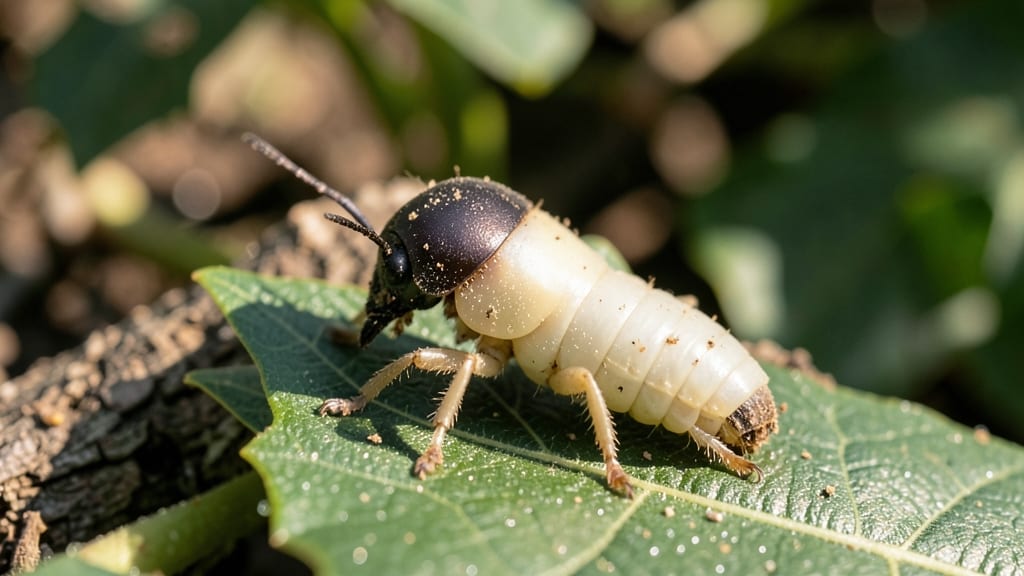
Fig tree borer can turn your prized tree into a hollow shell if you don’t act fast. 🌳 I’ve watched these pests chew through bark and sapwood, leaving behind sawdust-like frass and wilting leaves—until I learned how to stop them organically.
The key is catching them early, before they tunnel deep.
These borers thrive in stressed trees, so healthy soil and proper watering are your first line of defense. Look for D-shaped exit holes, oozing sap, or sudden leaf drop—these are red flags.
My fig trees now stay strong thanks to a simple routine: pruning for airflow, sealing wounds with pruning paint, and inviting woodpeckers (their natural predators) to the yard.
You’ll see results within weeks if you act fast: fewer holes, new growth, and a tree that thrives instead of fights. The organic methods work best when combined—think of it like a shield against these wood-munching invaders. No harsh chemicals needed, just smart prevention.
Works for both young and mature fig trees, and the same principles apply to other fruit trees too. Let’s get your tree back to healthy and productive—without the borer damage.
Hidden Invaders Targeting Your Figs
Fig trees are prized for their lush foliage and sweet fruit—but their woody trunks and branches can become a buffet for one of nature’s most destructive pests: the fig tree borer.
These sneaky beetles and moth larvae don’t just nibble on leaves; they tunnel deep into the bark, disrupting nutrient flow and weakening the tree’s structural integrity. Understanding why these pests strike is the first step to stopping them before they cause irreversible damage.
Let’s break down the key reasons these borers show up in your fig grove—and what’s really inviting them in.
Borers don’t attack healthy, resilient fig trees—they target stressed or compromised ones. When a fig tree is already struggling, its defenses drop, making it an all-you-can-eat buffet for borers. Here’s what makes a tree vulnerable:
- Drought stress: Prolonged dry spells force trees to divert energy to survival, leaving their bark softer and easier to penetrate. Borers detect these moisture-deficient conditions and zero in on thirsty trees. Pro tip: 💡 Deep watering (1–2 inches per week) keeps bark firm and less appealing.
- Poor soil nutrition: A deficiency in nitrogen, potassium, or phosphorus weakens cell walls, making them prime real estate for borers. Look for yellowing leaves or stunted growth—classic signs of malnutrition. Test your soil and amend with compost or organic fertilizer to fortify your tree.
- Physical damage: Cracks from hail, pruning wounds, or even animal scratches create entry points. Borers exploit these gaps like a backdoor. Always sanitize pruning tools with rubbing alcohol and seal wounds with pruning paint.
- Root issues: Compacted soil or root rot (often from overwatering) starves the tree of oxygen and nutrients. Weak roots = weak trunk = borer paradise. Aerate the soil annually and ensure proper drainage to keep roots healthy.
Actionable fix: Conduct a health check on your fig tree twice a year. Trim dead branches, mulch to retain moisture, and monitor for early signs of stress like wilting or unusual leaf drop.
Borers aren’t just after the tree—they’re drawn to decaying fruit and organic debris. When figs rot on the ground or hang diseased on the tree, they emit volatile organic compounds (VOCs) that signal “easy meal” to borer adults.
These pests lay eggs near or inside fruit, ensuring their larvae will have a ready food source upon hatching.
- Fallen fruit: Figs that drop prematurely (due to overbearing branches or disease) create a borer magnet. Remove fallen fruit within 24 hours to break the cycle.
- Diseased fruit: Figs with anthracnose or root rot exude sugars and microbes that attract borers. Prune infected branches immediately and sterilize tools to prevent spread.
- Thick mulch layers: While mulch conserves moisture, piles thicker than 2–3 inches can trap humidity and fruit debris, creating a borer nursery. Keep mulch 3–4 inches from the trunk and rake up debris regularly.
Pro tip: 🌡️ Harvest figs promptly and compost only healthy, dry fruit—never leave rotting figs in the garden.
Borers don’t just appear out of nowhere—they’re often re-invaders. If your fig tree (or nearby trees) has hosted borers before, the larvae may have pupated in the soil or overwintered in bark crevices, ready to emerge as adults the following season.
Even if you’ve treated the tree, residual eggs or pupae can hatch and restart the cycle.
- Overwintering adults: Many borer species (like the fig borer beetle) survive winter in mulch, woodpiles, or tree bark. In spring, they emerge to lay eggs on fresh hosts. Remove old mulch and inspect bark for egg masses or sawdust-like frass (borer poop).
- Contaminated tools or soil: Borer eggs or larvae can hitch a ride on pruners, shovels, or even birds. Disinfect tools with 70% isopropyl alcohol and avoid moving soil from infested areas to healthy ones.
- Adjacent trees as reservoirs: Borers don’t discriminate—they’ll hop from figs to mulberries, olives, or even citrus. Treat neighboring trees preventatively to break the chain.
Actionable fix: 🔥 Spring cleanup is critical—prune out old wood, remove all debris, and apply neem oil or kaolin clay to trunks to deter egg-laying.
Borers are opportunistic, and their activity spikes during specific conditions that favor their life cycle:
- Warm, humid weather: Borers thrive in temperatures between 75–95°F. Heat waves followed by sudden rain create the perfect breeding ground. Monitor humidity levels—if your area is prone to these swings, consider drip irrigation to control moisture.
- Late summer/early fall: This is peak egg-laying season for many borer species. Adults seek out newly stressed trees (from summer drought) to infest. Apply preventive treatments in August to catch them early.
- Drought followed by rain: A dry spell weakens trees, then sudden rain softens bark—a borer’s dream scenario. Mulch heavily during droughts to retain moisture and avoid this stress cycle.
Pro tip: ✨ Use weather data to your advantage. Set up a simple rain gauge and treat your fig tree with organic borer repellents (like spinosad) 10 days before a predicted heatwave.
Quick Fixes for Tree Stress
When your fig tree starts showing signs of distress—wilted leaves, sawdust-like frass, or tiny holes—it’s time to act. The fig tree borer can weaken even the hardiest trees, but with the right approach, you can restore health and prevent further damage.
Below are practical, organic solutions tailored to the root causes of infestation, from early detection to long-term protection.
Before treating, identify the problem to avoid misdiagnosis. Look for:
- Exit holes (1/8" to 1/4" wide) in the bark or branches.
- Sawdust-like frass (borer waste) near these holes.
- Wilting leaves, dieback, or oozing sap—signs the borer has disrupted the tree’s vascular system.
✨ Pro Tip: Inspect your tree monthly, especially after storms or drought, when borers are most active. A hand lens helps spot early signs before damage spreads.
If borers are already established, pruning is the fastest way to stop their spread.
- 🔪 Cut out infested branches at least 6 inches below the visible damage (borers may tunnel unseen).
- Dispose of branches properly: Burn or bag them (do not compost—they’ll reinfest).
- Seal cuts with pruning paint (optional but helps prevent secondary infections).
💡 Prevention Tip: Sterilize pruners with rubbing alcohol between cuts to avoid spreading disease.
Nature’s cleanup crew can reduce borer populations without chemicals.
Attract these helpers: - Parasitic wasps (e.g., Goniozus spp.) lay eggs inside borer larvae. - Birds like woodpeckers feast on borers—install a birdhouse or suet feeder nearby. - Beneficial nematodes (Steinernema carpocapsae) can be applied to soil to target larvae.
🌡️ Best Time to Act: Introduce predators spring to early summer, when borers are most vulnerable.
For prevention, use physical and olfactory traps to deter borers before they strike.
| Method | How to Use | Effectiveness |
|---|---|---|
| Pheromone traps | Hang fig borer-specific traps (e.g., Conopomorpha cramerella traps) near the tree. | 🌟🌟🌟🌟 (High) |
| Neem oil spray | Mix 1 tsp neem oil + 1 tsp soap per liter of water; spray trunk and branches in early spring. | 🌟🌟🌟 (Moderate) |
| Kaolin clay barrier | Apply a white, chalky clay to the trunk to confuse borers (they avoid it). | 🌟🌟🌟 (Moderate) |
✨ Pro Tip: Reapply neem oil every 2–3 weeks during borer season (late spring to summer).
A healthy tree resists borers better. Boost its immunity with:
- Deep watering (1–2 inches per week) to prevent drought stress.
- Balanced organic fertilizer (e.g., compost or fish emulsion) in early spring.
- Mulch ring (3–4 inches of wood chips) to retain moisture and deter pests.
💪 Long-Term Fix: Avoid over-fertilizing with nitrogen—it attracts sap-sucking pests that weaken trees.
If borers are deeply embedded, you may need to dig them out manually:
- Drill small holes near exit holes (use a 1/8" bit).
- Fish out larvae with tweezers or a hook.
- Apply diatomaceous earth into the holes to kill remaining eggs.
⚠️ Warning: This is labor-intensive—best for small infestations or young trees.
- Inspect new trees before planting (borers can hitchhike on branches).
- Avoid wounding the bark (use proper pruning techniques).
- Plant companion trees (e.g., citrus or olive) to distract borers.
- Monitor regularly—catch infestations before they spread.
🎯 Final Tip: Healthy soil = healthy tree. Test your soil’s pH and nutrients annually for optimal defense.
By combining early detection, organic treatments, and tree care, you can outsmart fig tree borers without harming your tree—or the planet. Start with one or two methods, monitor progress, and adjust as needed! 🌳💚
Frequently asked questions
How can I tell if my fig tree has a borer infestation?
Look for D-shaped exit holes (about 1/8" to 1/4" wide) in the bark, sawdust-like frass (borer waste) near these holes, or wilting leaves despite proper care. Check the trunk and branches carefully—borers often start small but cause big damage if ignored.
What’s the best organic treatment for fig tree borers?
Start with neem oil spray (mix 1 tsp neem oil + 1 tsp soap per liter of water) applied to the trunk and branches in early spring. For deeper infestations, manually remove larvae by drilling small holes near exit points and using tweezers to pull them out. Combine this with kaolin clay as a physical barrier.
Can fig tree borers kill my tree if I don’t treat them?
Yes, severe infestations can weaken the tree’s structure and disrupt nutrient flow, leading to dieback or even death. Borers tunnel deep into the bark, creating pathways for disease. Act fast—prune infested branches, seal wounds, and use organic treatments to save your tree. Early detection is key!
How often should I inspect my fig tree for borers?
Check your tree monthly, especially after storms, droughts, or extreme heat—these conditions stress trees and attract borers. Use a hand lens to spot early signs like tiny holes or frass. Regular inspections help catch infestations before they spread.
Will woodpeckers help control fig tree borers?
Woodpeckers love feasting on borers and can significantly reduce populations. Install a birdhouse or suet feeder near your fig tree to attract them. This is a natural, chemical-free way to keep borers in check while supporting local wildlife.