
Diseases
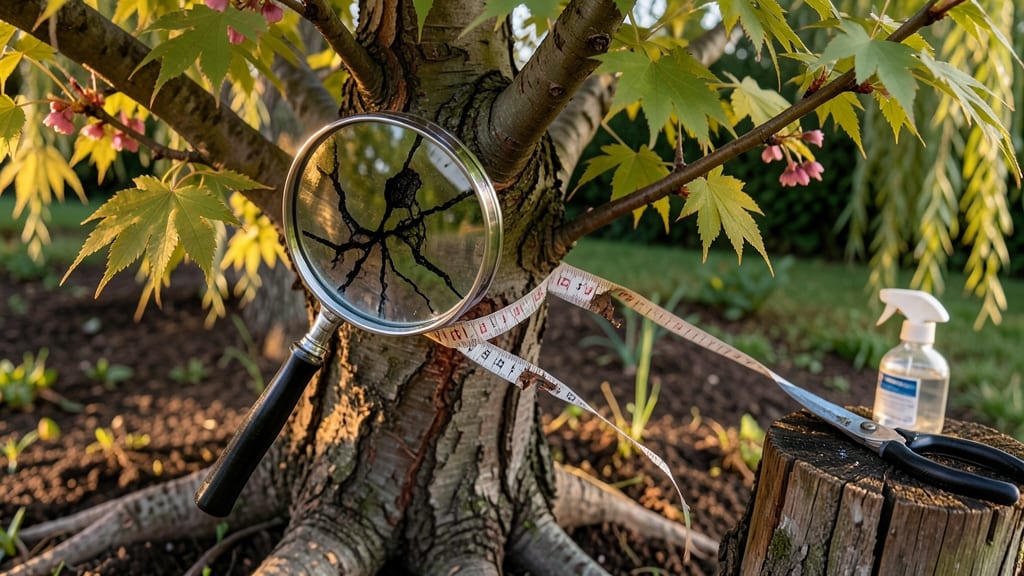
Spotting the first signs of Japanese maple tree bark diseases—with the right pictures to guide you—can save your tree before damage spreads.
Here’s how to recognize the telltale patterns before they worsen. 🌿 The most common culprits show up as dark streaks, peeling patches, or oozing sores that look like open wounds.
My own tree’s bark started cracking last spring, and within weeks, the fungus had taken hold if I hadn’t acted fast. What makes this tricky is that symptoms often mimic normal aging or weather damage.
But look closer: healthy bark stays smooth and tight, while diseased bark develops raised cankers, sunken lesions, or fungal growth that smells musty when wet. The key is catching these early—before the tree’s energy gets drained trying to fight back. Once you spot the issue, treatment depends on the type.
For anthracnose (the most aggressive), prune infected branches 6 inches below the damage and apply copper fungicide. Canker diseases need a mix of pruning, wound sealing, and regular monitoring to prevent reinfection.
The goal isn’t just to stop the spread—it’s to keep your tree looking as stunning as it did on planting day. This guide covers the visual red flags, step-by-step fixes, and long-term care tweaks to protect your tree’s beauty.
No more guessing—just clear, actionable steps to get your Japanese maple back to its best.
Understanding Root Causes of Bark Issues
Japanese maple trees (Acer palmatum) are prized for their stunning foliage and graceful form, but their bark can fall victim to a range of diseases—each with distinct triggers. Below, we break down the why behind these problems, so you can address them with precision.
Fungal pathogens are the #1 culprit behind Japanese maple bark diseases, thriving in moist, warm conditions. Here’s how they strike:
- Overhead Watering or Poor Drainage - Fungi like Cryptostroma corticale (canker) or Valsa spp. (Valsa canker) latch onto excess moisture trapped in bark crevices.
When soil stays soggy, spores germinate and penetrate wounds or weak spots. - Actionable fix: Water at the base (not overhead) and ensure well-draining soil. Mulch with 3–4 inches of organic material (like shredded bark) to regulate moisture.
- Physical Wounds from Pruning or Storms - Cuts or abrasions create entry points for fungi. If pruning tools aren’t sterilized, they can introduce pathogens like Botryosphaeria (dieback disease). - Actionable fix: Sanitize tools with 70% isopropyl alcohol before/after pruning.
Make cuts at a 45° angle, ¼" above a bud, and avoid leaving stubs.
- Stress from Environmental Factors - Drought, extreme heat, or compacted soil weaken the tree’s defenses, making it vulnerable to canker fungi (Leucostoma spp.). Weak bark cracks, inviting fungal colonization. - Actionable fix: Monitor soil moisture (aim for 1–2 inches deep, slightly damp but not waterlogged).
Use a moisture meter if unsure.
Insects don’t just eat leaves—they chew, bore, or inject toxins into bark, creating pathways for diseases:
- Scale Insects & Mealybugs - These sap-sucking pests excrete honeydew, a sticky residue that fosters sooty mold (a black fungal growth). The mold clogs pores, suffocating the bark. - Actionable fix: Spray with neem oil (1% solution) or introduce ladybugs (natural predators).
For severe infestations, use horticultural oil in dormant season.
- Bark Beetles & Borers
- Adults tunnel into the phloem layer, disrupting nutrient flow. Their larvae create galleries that trap moisture—perfect for blue stain fungi (Ophiostoma).
- Actionable fix: Remove infested branches (burn or bag them). Apply systemic insecticides (like imidacloprid) if beetles are active.
- Japanese Beetles (Adults)
- While they target leaves, their feeding weakens the tree, making it susceptible to secondary infections like Phomopsis canker.
- Actionable fix: Handpick beetles into soapy water or use milky spore powder for long-term control.
When a Japanese maple lacks proper care, its bark becomes thin, brittle, or nutrient-deprived, inviting disease:
- Nutrient Deficiencies (Especially Potassium & Calcium) - Low potassium weakens cell walls, making bark prone to cracking. Calcium deficiency leads to bitter rot (Colletotrichum). - Actionable fix: Conduct a soil test and amend with potassium sulfate or lime (for calcium).
Use a balanced fertilizer (10-10-10) in early spring.
- Compacted or Alkaline Soil - Poor aeration restricts root growth, reducing the tree’s ability to fight off root rot fungi (Phytophthora). Alkaline soil (pH >7.0) also hampers nutrient uptake. - Actionable fix: Test soil pH and add sulfur to lower it (aim for 5.5–6.5).
Aerate with a garden fork or top-dress with compost.
- Sun Scorch & Wind Exposure - Bark on south-facing sides can dry out and crack, especially in young trees. Wind desiccates the outer layers, creating entry points for Cytospora canker. - Actionable fix: Provide afternoon shade (use shade cloth if needed).
Wrap the trunk in tree guard (burlap or specialized wrap) during dry spells.
Japanese maples are resilient, but sudden climate shifts can trigger bark diseases:
- Freeze-Thaw Cycles
- Rapid temperature swings cause bark splitting, which fungi like Eutypa (dieback) exploit. Winter injury weakens the tree’s vascular system.
- Actionable fix: Apply anti-desiccant spray (like Wilt-Pruf) before winter. Mulch heavily (up to 6 inches) to insulate roots.
- Heavy Rain & Humidity
- Prolonged wetness (especially >48 hours) encourages leaf spot fungi (Anthracnose) to spread to the bark via petiole attachment points.
- Actionable fix: Improve air circulation by pruning dense foliage. Avoid planting in low-lying areas where water pools.
- Drought Followed by Sudden Rain
- Drought-stressed bark becomes parched and brittle. When rain hits, the sudden moisture causes cracks, inviting Nectria canker.
- Actionable fix: Deep-water trees during droughts (1–2 inches per week). Use drip irrigation to avoid wetting the bark.
Pro Tip 💡: Early detection is key! Inspect bark twice yearly (spring and fall) for:
- Sunken, discolored patches (canker)
- Oozing sap or fungal mats (sooty mold)
- Cracks or peeling (environmental stress)
Practical fixes for Japanese maple bark issues
Japanese maple trees are stunning, but their bark can fall victim to diseases like anthracnose, canker, or bark split, leaving you worried about your tree’s health.
The good news? Most issues are fixable with the right approach. Below, we break down cause-specific solutions—plus prevention tips—to keep your tree thriving.
Anthracnose thrives in wet, humid conditions, causing dark spots and leaf blight. Here’s how to tackle it:
- 🍳 Prune Infected Branches Remove and dispose of (not compost!) severely infected leaves and twigs in late fall or early spring. Sterilize pruners with rubbing alcohol between cuts to prevent spreading spores.
- 🌡️ Improve Airflow & Drainage Thin out dense foliage to reduce humidity near the bark. Ensure the soil drains well—raised beds or gravel can help if your yard stays soggy.
- 🎯 Apply Fungicide (When Needed) If the problem persists, use a copper-based or propiconazole fungicide (like Daconil or Scotts Disease Control). Spray preventatively in spring and after heavy rains.
💡 Pro Tip: Water early in the day so leaves dry quickly—anthracnose loves moisture!
Canker diseases (like Valsa canker) create sunken, oozing wounds. Act fast to save your tree:
- 🔪 Prune Out Damaged Areas Cut 6 inches below the canker (healthy tissue) and sterilize tools between cuts. Burn or trash infected wood—do not compost!
- 🥘 Seal Wounds (Temporarily) Apply pruning sealant (like Tanglefoot Tree Wound Pruning Seal) to large wounds to prevent secondary infections. Small cuts? Let them heal naturally.
- 🌡️ Boost Tree Health Fertilize in early spring with a balanced, slow-release fertilizer (10-10-10). Weak trees invite canker—strengthen roots first!
✨ Prevention Hack: Avoid wounding bark during pruning. Use sharp, clean tools and make cuts at the branch collar.
Cold snaps cause bark splitting, exposing wood to rot and pests. Here’s how to mend and prevent it:
- 🔪 Smooth Rough Edges If the split is superficial, gently sand the edges with fine-grit sandpaper to prevent tearing. For deep cracks, prune back to healthy bark (like canker treatment).
- 🌡️ Protect Against Freeze-Thaw Cycles Wrap the trunk in burlap or tree wrap before winter (remove in spring). Avoid plastic wrap—it traps moisture and worsens rot.
- 💧 Keep Soil Moist (But Not Soggy) Deep watering in late fall helps the tree store moisture for winter. Mulch 3–4 inches deep (keep it 6 inches from the trunk) to insulate roots.
🎯 Long-Term Fix: Plant your Japanese maple in a sheltered spot (like near a fence or building) to break harsh winds.
Most bark diseases strike when trees are stressed. Follow these year-round habits to stay ahead:
| Problem | Prevention Tip | When to Do It |
|---|---|---|
| Fungal Spread | Clean up fallen leaves in fall | October–November |
| Pest Infestations | Inspect bark for borers/scale monthly | Spring & Summer |
| Poor Circulation | Thin canopy to improve airflow | Late Winter (dormant season) |
| Weak Roots | Aerate soil if compacted | Early Spring |
💡 Bonus: Mulch properly—too much mulch (or piled against the trunk) traps moisture and invites rot. Keep it loose and even.
Remember: Early action is key! If you spot oozing, dark spots, or peeling bark, don’t wait—prune, treat, and monitor. With the right care, your Japanese maple can bounce back beautifully! 🌿✨
Frequently asked questions
How can I tell if my Japanese maple bark disease is fungal vs. bacterial?
Fungal infections typically show as raised, sunken cankers with white or pink fungal mats underneath peeling bark. Bacterial diseases often produce oozing, watery lesions that smell foul and may have a yellowish or brownish discharge. Check for fungal growth (like cottony strands) or bacterial ooze to distinguish them.
Can I use household items like vinegar or baking soda to treat bark diseases?
No, these won't effectively treat fungal or bacterial bark diseases. Vinegar is too acidic and can damage the tree further, while baking soda lacks the necessary fungicidal properties. Stick to copper fungicides or neem oil for fungal issues, and consult a professional for bacterial infections.
What’s the best time of year to prune infected branches?
Late fall or early spring is ideal—when the tree is dormant. This minimizes stress and prevents spreading spores during active growth periods. Always sterilize your tools with 70% isopropyl alcohol before and after each cut to avoid cross-contamination.
Will my Japanese maple recover if I remove all infected bark?
It depends on the extent of the damage. If the infection is superficial, pruning back to healthy tissue (6 inches below visible damage) gives the tree a chance to heal. However, if the vascular system is compromised (like in canker diseases), recovery may be limited. Monitor closely and support with fertilizer and proper watering.
How do I know if my tree’s bark issues are from disease or just normal aging?
Healthy aging bark may show slight texture changes or minor cracks, but it won’t have oozing sores, fungal growth, or discolored patches. Disease often appears as unusual patterns—like dark streaks, peeling in irregular patches, or sap oozing from cracks. Compare your tree to reference pictures of common bark diseases for confirmation.