
Trees
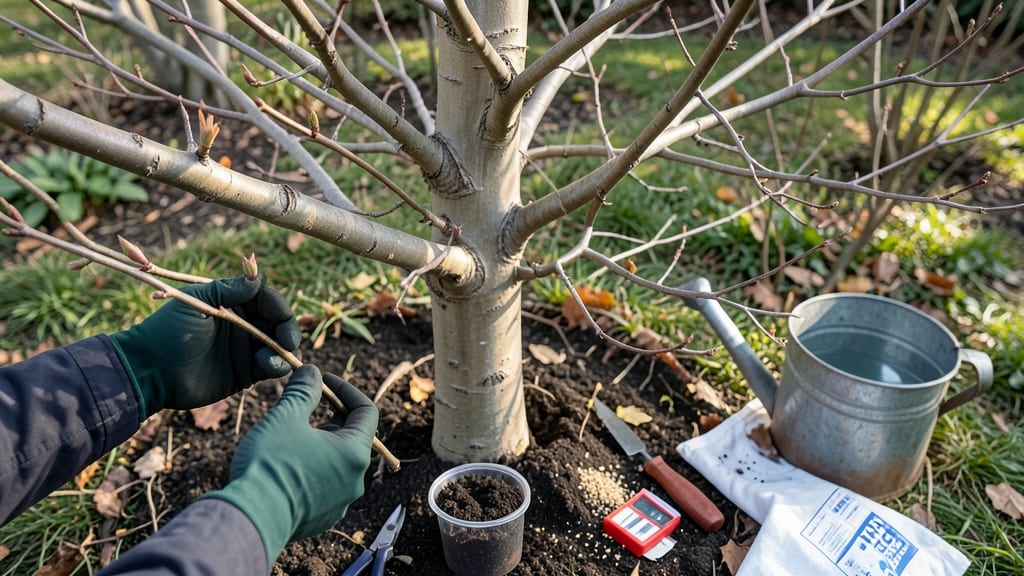
A maple tree not growing leaves in spring is one of the most frustrating sights in gardening. 🌳 I’ve seen it happen after harsh winters, and the good news is most cases have quick fixes—you just need to identify the real culprit first.
The most common reasons are frost damage, nutrient deficiencies, or pests hiding in the bark. My first step is always checking for late frosts, then looking at the soil and branches for clues. A simple soil test or bark inspection can reveal whether your tree is starving or under attack.
With the right approach, you’ll see fresh green buds within weeks. I’ve revived trees that looked hopeless by addressing just one of these five root causes. The key is acting fast before summer heat sets in.
Whether it’s a young sapling or a mature shade tree, these fixes work for any maple variety. Let’s get your tree back to its vibrant self before the growing season slips away.
Root Causes Behind Bare Branches
When your maple tree refuses to sprout leaves in spring, it’s usually a sign that something’s disrupting its natural growth cycle. Understanding the why behind the problem is the first step to restoring your tree’s health.
Below, we break down the most common culprits—each with a clear scientific explanation and actionable insights to help you diagnose the issue.
Maple trees are early bloomers, meaning their buds swell and leaves emerge before many other species. Unfortunately, this makes them vulnerable to late spring frosts (temperatures below 28°F/-2°C), which can kill tender new growth before it even unfurls.
How it happens:
- Bud damage: Frost can rupture cell membranes in the buds, causing them to blacken or dry out.
- Delayed dormancy: Some maples (like silver maples) may have already broken dormancy by late winter, leaving them exposed.
- Poor circulation: Trees in low-lying areas or near bodies of water are at higher risk due to cold air settling.
🔍 What to look for:
- Brown, shriveled buds that don’t soften.
- Leaves that emerge stunted, curled, or discolored (bronze or black).
- No new growth beyond the previous year’s leaves.
💡 Quick fix:
- Protect vulnerable trees with frost cloth or string lights (which emit a little heat).
- Avoid pruning in late winter—wait until after leaf-out to minimize stress.
- Water deeply in early spring to help the tree recover faster.
Maples rely on chilling hours (a period of cold temperatures) to break dormancy. If winter was unusually warm or short, the tree may fail to trigger leaf production—a condition called dormancy disorder.
How it happens:
- Insufficient chilling: Most maples need 400–1,000 hours below 45°F (7°C). Mild winters can skip this step.
- Hormonal imbalance: Without proper chilling, the tree’s abscisic acid (a growth-inhibiting hormone) may linger, preventing bud swell.
- Stress from prior seasons: Drought, disease, or poor soil can compound the issue.
🔍 What to look for:
- No bud swell by early spring (buds remain tight and brown).
- Normal-looking branches but zero leaf activity.
- Repeated yearly failure (a red flag for chronic dormancy issues).
💡 Quick fix:
- Mulch properly (3–4 inches of organic mulch) to regulate soil temperature.
- Avoid fertilizing until you see some bud activity—extra nutrients can stress an already confused tree.
- Consider a dormancy-breaking spray (like hydrogen cyanamide) if the problem persists for 2+ years.
Maples are mesophytes, meaning they prefer consistently moist but well-drained soil. Too much or too little water can starve the roots, halting leaf production.
How it happens:
- Drought stress: Even a single dry winter can kill fine root hairs, reducing the tree’s ability to absorb water and nutrients.
- Overwatering: Poor drainage or soggy soil leads to root rot (fungal infections like Phytophthora), cutting off nutrient flow.
- Compacted soil: Heavy foot traffic or construction can smother roots, limiting oxygen and water uptake.
🔍 What to look for:
- Wilting or yellowing leaves (if any emerge).
- Mushrooms at the base (sign of rot).
- Soil that stays soggy for weeks after rain.
- Leaves that drop prematurely (if they appear at all).
💡 Quick fix:
- Deep watering: Soak the root zone once a week (1–1.5 inches of water) during dry spells.
- Aerate compacted soil with a garden fork or add compost to improve drainage.
- Test for root rot: Gently scrape the bark—black, mushy roots confirm the issue. Prune affected areas and treat with copper fungicide.
Certain pests and pathogens target maple buds and cambium (the growth layer under the bark), preventing leaf formation.
🐛 Common Culprits:
| Pest/Disease | How It Stops Growth | Signs to Watch For |
|---|---|---|
| Maple Leaf Cutter | Cuts out leaf buds in late winter/early spring. | Notched buds, sawdust-like frass near tree. |
| Aphids | Suck sap, weakening buds before they open. | Sticky residue (honeydew), curled leaves. |
| Verticillium Wilt | Fungal infection clogs water vessels. | Wilting despite watering, yellowing veins. |
| Canker Diseases | Fungal/bacterial infections kill bark tissue. | Sunken, oozing lesions on branches. |
🔍 What to look for:
- Holes in buds (leaf cutters).
- Black, tarry spots on branches (sooty mold from aphids).
- Dieback (dead branches starting at the tips).
💡 Quick fix:
- Prune infected/diseased branches in dry weather (sterilize tools with rubbing alcohol).
- Apply horticultural oil (for aphids) or neem oil (for fungal issues) in early spring.
- Encourage natural predators (ladybugs, lacewings) by avoiding broad-spectrum pesticides.
Sometimes, external forces disrupt the tree’s growth signals. These can be subtle but devastating.
How it happens:
- Mechanical damage: Lawnmower cuts, animal gnawing, or girdling roots (roots growing in circles) can strangle the tree’s nutrient flow.
- Herbicide drift: Glyphosate or other chemicals can kill cambium, leading to leaf failure.
- Light competition: Shade from nearby trees or buildings can weaken the tree’s energy reserves, delaying leaf-out.
🔍 What to look for:
- Scarred or stripped bark near the base.
- Uneven growth (one side leafless, the other normal).
- Recent construction near the root zone.
💡 Quick fix:
- Remove obstacles (e.g., mulch volcanoes pressing against the trunk).
- Test soil for chemicals if you suspect herbicide exposure.
- Thin competing foliage to improve light exposure.
Quick Fixes for Leafy Recovery
Reviving your maple tree starts with identifying the root cause—but once you know what’s wrong, action is simple. Below are practical, step-by-step solutions tailored to each common issue, plus prevention tips to keep your tree thriving. Let’s get your maple back to its lush, green glory!
Fix: If your tree’s roots are parched, deep watering is the fastest way to revive it. Follow these steps:
- 💧 Step 1: Soak the Soil Use a garden hose with a slow drip or a soaker hose to deliver 1–2 inches of water per week (more if your area is extremely dry). Water slowly to allow absorption—don’t just splash the surface!
- 🌊 Step 2: Check Soil Moisture Stick your finger 6 inches deep into the soil. If it’s dry, water again. Clay soil? It holds moisture longer—water less frequently but deeply. Sandy soil? It drains fast—water more often.
- 🌳 Step 3: Mulch Like a Pro Spread 2–4 inches of organic mulch (wood chips, shredded bark) around the base of the tree, keeping it 6 inches away from the trunk. This locks in moisture and regulates temperature.
- 🚰 Pro Tip: If your tree is severely drought-stressed, consider drip irrigation for a slow, steady water supply over weeks.
Prevent Future Stress: ✔ Water during early spring (before leaves emerge) to prep roots. ✔ Install a rain gauge to track moisture—maples need consistent hydration. ✔ Avoid over-watering—soggy roots cause root rot (another leaf-killer).
Fix: Pests like aphids, scale, or Japanese beetles suck sap and weaken your tree. Here’s how to evict them fast:
- 🦟 Step 1: Inspect for Signs Look for:
- Sticky residue (honeydew) on leaves/bark.
- Chewed edges or tiny bugs clustering on new growth.
- Yellowing leaves that don’t fall (a sign of sap-sucking pests).
- 🧼 Step 2: Blast Them Off - Strong water spray: Use a hose nozzle to blast pests off (early morning works best). - Neem oil spray: Mix 1 tbsp neem oil + 1 tsp mild soap per gallon of water.
Spray every 5–7 days until pests vanish. - Beneficial insects: Release ladybugs or lacewings—they eat pests naturally.
- 🌿 Step 3: Prune Damaged Areas Cut off heavily infested branches with sterilized pruners (dip in rubbing alcohol). Dispose of clippings in a sealed bag.
Prevent Return Visitors: ✔ Install netting over young trees in spring to block beetles. ✔ Encourage natural predators (birdhouses, diverse garden plants). ✔ Avoid over-fertilizing—weak trees attract more pests.
Fix: If cold snaps or late frosts zapped your buds, patience + protection will help:
- 🌡️ Step 1: Wait for Warmth Maple buds need consistent warmth (above 50°F/10°C) for 2+ weeks to open. Don’t force it—wait for nature’s signal.
- 🛡️ Step 2: Shield New Growth If a late frost threatens emerging leaves:
- Cover young trees with frost cloth (secure loosely).
- Mulch heavily (4–6 inches) to insulate roots.
- Water deeply before frost—hydrated trees resist cold damage.
- 🌿 Step 3: Fertilize Gently Once leaves appear, feed with a balanced fertilizer (10-10-10) to boost recovery. Avoid high-nitrogen—it stresses weak trees.
Prevent Future Freeze Shock: ✔ Plant cold-hardy varieties (e.g., Norway maple or Silver maple). ✔ Avoid late pruning—new growth is more frost-sensitive. ✔ Monitor weather forecasts—cover trees if frost is predicted.
Fix: Compacted soil or root rot can strangle your maple’s growth. Here’s how to loosen and nourish:
- 🌱 Step 1: Test Your Soil Grab a soil test kit (or send a sample to a local extension office). Check for:
- pH level (ideal: 6.0–7.5 for maples).
- Nutrient deficiencies (especially potassium or magnesium).
- 🔨 Step 2: Aerate & Amend
- For compacted soil: Rent a manual aerator or use a garden fork to poke holes 12 inches deep around the tree.
- Add organic matter: Mix in compost or well-rotted manure to loosen soil and improve drainage.
- 💊 Step 3: Fertilize Smartly Use a slow-release, balanced fertilizer (like 10-10-10) in early spring. Avoid synthetic fertilizers—they can burn roots.
Prevent Soil Struggles: ✔ Mulch annually to improve soil structure. ✔ Avoid heavy foot traffic near the tree’s root zone. ✔ Plant deep-rooted companions (like grasses or clover) to break up compacted soil naturally.
Fix: Fungal diseases (like verticillium wilt or anthracnose) can kill leaves before they bloom. Act fast:
- 🍄 Step 1: Identify the Fungus Common signs:
- Wilting leaves (even with water).
- Dark spots on leaves/bark.
- Oozing sap or cankers on branches.
- 🧴 Step 2: Apply Fungicide
- Copper-based fungicide (like Bordeaux mixture) for anthracnose.
- Systemic fungicide (e.g., Propiconazole) for verticillium wilt (apply before symptoms appear).
- ✂️ Step 3: Prune & Sterilize
- Cut out infected branches 6 inches below the damage.
- Burn or bag clippings (don’t compost).
- Sterilize pruners with rubbing alcohol between cuts.
Prevent Fungal Spread: ✔ Water at the base (not overhead) to keep leaves dry. ✔ Space trees properly (maples need 30–50 ft apart for airflow). ✔ Remove fallen leaves in autumn to reduce spores.
🚀 Final Pro Tip: If your tree still hasn’t leafed out after 2 weeks of warm weather, consult a local arborist—it could be root damage, disease, or a hidden pest needing professional care.
With these fixes, your maple should burst back to life in weeks. Stay patient, keep an eye on progress, and give it the TLC it deserves! 🌿💚
Frequently asked questions
Why do some maple branches have leaves while others don't?
This often signals selective damage—like pests targeting specific branches (e.g., maple leaf cutters) or uneven frost exposure. Check for notched buds (pest damage) or blackened tips (frost). If only lower branches are affected, it may indicate root stress or poor circulation.
How long should I wait before worrying about no leaves?
Give your maple 2–3 weeks after consistent warmth (above 50°F/10°C) before investigating. Early varieties like red maples may leaf out faster, while late bloomers (like sugar maples) can take 3–4 weeks. If buds remain tight after this window, act fast—delaying risks permanent damage.
Can I prune my maple tree if it's not growing leaves?
Only remove dead/diseased branches—never prune healthy wood. Wait until you see bud swell to avoid stressing the tree further. If you must prune, focus on water sprouts or damaged limbs using sterilized tools and seal cuts larger than ½ inch with pruning sealant.
Will fertilizing help if my maple has no leaves?
Not initially—fertilizing a stressed tree can burn roots or attract pests. Wait until you see bud activity, then use a balanced, slow-release fertilizer (10-10-10). For nutrient deficiencies, a soil test reveals specific needs (e.g., magnesium for yellowing between veins).
Is my maple tree dead if it has no leaves?
Not necessarily! Many maples retain last year's leaves through winter, so check for fresh buds or green tissue under bark (scratch a small area). If the bark is cracked and no buds appear by late spring, it may be dead—but act quickly to confirm with a thorn scratch test (green = alive!).