
How To
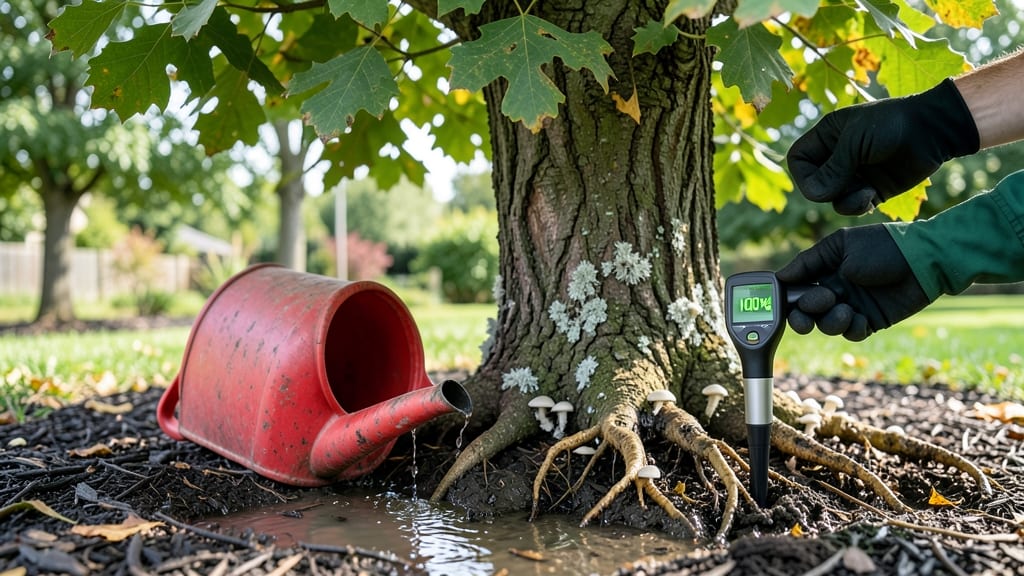
Here’s how to tell if your tree is overwatered—those yellowing leaves and spongy soil are red flags you can’t ignore. 🌳 I’ve watched this silent killer turn thriving oaks into sad, drooping shadows, and I’ll show you exactly how to spot it before it’s too late.
The signs are subtle at first: leaves that yellow instead of green, soil that stays soggy for days, and roots that smell like rot instead of earth.
Start by checking the soil 6 inches down—if it’s damp or smells foul, that’s your first warning. Then look at the leaves: yellowing that starts at the bottom and moves upward? Classic overwatering.
And don’t ignore the bark—dark, mushy spots mean fungus is moving in. The good news? Most trees bounce back if you catch it early, but you’ll need to adjust your watering routine fast.
Recovery begins with draining the roots—stop watering immediately and let the soil dry out. For severe cases, aerate the soil or even dig a shallow trench around the base to improve airflow.
Once the roots recover, switch to a deep-but-less-frequent watering schedule. A healthy tree drinks deeply, not sip by sip.
Prevention is easier than fixing damage. Stick your finger in the soil before watering—if it’s still moist, wait. Mulch helps regulate moisture, and well-draining soil (or raised beds) keeps roots happy.
And here’s the secret: most trees hate soggy feet—even drought-tolerant ones. Trust the soil, not the calendar, and your tree will thank you with strong, vibrant growth.
📚 In This Guide
- What you need
- Instructions
- Tips and common mistakes
- Wrapping up and next steps
What you need
- ● Garden trowel or small shovel – For digging a shallow hole (6–12 inches deep) near the tree’s base to check soil moisture. Look for one with a sturdy, sharp edge for easy digging.
- ○ Moisture meter (digital or analog) – A handheld soil moisture meter (like the Xiaomi Mi Flower Care or Govee Soil Moisture Sensor) to measure exact moisture levels. Optional but highly recommended for precision!
- ● Gloves (gardening or waterproof) – To protect your hands from dirt, sharp objects, or soggy soil. Nitrile gloves work great for wet conditions.
- ● Notebook & pen – To record observations like leaf color, soil texture, and moisture readings. Trust me, details matter!
- ● Measuring tape or ruler – To check the depth of waterlogged soil or measure the tree’s trunk for signs of stress.
- ● Bucket or waterproof bag – For collecting a soil sample if you’re unsure about moisture levels.
- ● Pruners (small, sharp pair) – To inspect leaves up close for yellowing, wilting, or other signs of overwatering.
- ● Soil pH test kit – Overwatering can affect soil pH; test it if your tree seems unhealthy despite adjustments.
- ● Camera or smartphone – Snap photos of leaves, bark, and soil for comparison over time.
- ● Drainage test kit or DIY materials – If you suspect poor drainage, a permeability test kit or even a plastic bottle can help check water flow.
- ● Tree identification guide or app – Some trees (like willows or maples) are more sensitive to overwatering—knowing your tree’s needs helps!
Step-by-Step guide to diagnosing overwatered trees
Here’s how to spot the warning signs—before it’s too late.
🌿 Step 1: Check the Soil for Soggy Conditions
Stick your finger 2-3 inches deep into the soil around the tree’s base. If it feels cold, mushy, or smells like rot, that’s your first red flag. Overwatered trees often sit in soil that stays damp for days after watering. A healthy root zone should feel slightly moist but not saturated—think of a wrung-out sponge, not a dripping one.
Dig deeper if you’re unsure: 6-8 inches down, the soil should feel drier. If it’s still clinging to moisture, roots are suffocating. This is especially common in heavy clay soils where water pools instead of draining. I’ve seen trees drown in as little as 3-4 days of constant wetness—don’t wait for wilting to act.
🍂 Step 2: Observe Leaf Color and Texture
Yellowing leaves are the most obvious clue, but focus on the pattern: if the yellowing starts at the bottom of the tree and spreads upward, that’s classic overwatering. The leaves may also feel soft or mushy when touched—healthy leaves are firm. Drop a few onto the ground; if they crumble like overcooked pasta, roots are rotting.
Look for other signs: brown, curled leaf edges or tiny yellow spots between veins. These suggest nutrient deficiencies caused by poor oxygen in waterlogged soil. I once thought my oak was dying from drought—until I noticed the leaves felt squishy. A quick soil check revealed roots drowning in 2 inches of standing water.
☀️ Step 3: Examine the Tree’s Growth Habits
Overwatered trees often grow slowly or not at all, even when they have enough sunlight. New shoots may appear weak, with long, thin stems instead of sturdy branches. Check for fungal growth at the base—mushrooms, mold, or a white, cottony substance are sure signs of excess moisture inviting rot.
Pay attention to the tree’s overall vigor. A healthy tree should have dark green, glossy leaves and a steady stream of new growth in spring. If leaves stay small, pale, or drop prematurely, roots aren’t getting the oxygen they need. I’ve seen maples lose all their leaves by midsummer when overwatered—don’t assume it’s just "seasonal shedding."
🪴 Step 4: Inspect the Root System (If Possible)
Gently loosen the soil near the tree’s dripline (the outermost edge of the canopy) to peek at the roots. Healthy roots are white or light tan, with a firm, fibrous texture. If roots look black, mushy, or smell foul, they’re rotting from too much water. Even worse, healthy roots should spread outward; overwatered roots stay clustered near the surface, starving for air.
If you’re hesitant to dig, look for surface roots pushing up through the soil. This is the tree’s desperate attempt to escape waterlogged conditions. I’ve seen roots break through sidewalks when trees are overwatered—an expensive lesson in prevention. If you spot this, act fast: reduce watering immediately and improve drainage.
⏰ Step 5: Adjust Watering and Monitor Recovery
Stop watering until the soil dries out 4-6 inches deep. Use a moisture meter for accuracy—aim for 50-60% moisture at planting depth. If your tree is in clay soil, consider amending the area with organic matter (like compost) to improve drainage. Mulch around the base (but keep it 2-3 inches away from the trunk) to regulate moisture.
Watch for improvement in 2-4 weeks: new leaves should firm up, and growth should resume. If the tree doesn’t recover, roots may be permanently damaged. Real talk: some trees can’t bounce back from severe overwatering, but catching it early makes all the difference. I’ve nursed back overwatered pines by letting the soil dry completely between waterings—patience is key.
Tips & tricks for diagnosing overwatered trees
Between us, I’ve seen more trees suffer from overzealous watering than from drought—don’t make my mistake. Here’s what nobody tells you about spotting the subtle signs before it’s too late.
Soil Test Timing: When checking soil moisture in Step 1, do it on a dry day—not right after rain or watering. The 2-3 inch test is critical, but also check the 6-8 inch depth at different spots around the tree’s dripline. I’ve found moisture pockets that looked fine at the surface but were still saturated deeper down. Use a moisture meter if you’re unsure—it’s the only way to get an accurate reading without guessing.
Leaf Texture Test: In Step 2, the crumble test is your best friend. Healthy leaves should bend slightly but spring back. If they feel floppy or crumble like overcooked pasta when you touch them, that’s a red flag. Pro tip: Test leaves from different parts of the tree—some branches might be getting more water than others, especially if you’re using a sprinkler system. I once thought my arborvitae was fine until I tested the inner leaves and found them completely mushy.
Root Inspection Shortcut: If you’re hesitant to dig in Step 4, look for these visual clues instead: surface roots pushing up through the soil or fungal growth at the base. These are the tree’s last-ditch efforts to escape waterlogged conditions. I’ve seen roots break through concrete sidewalks when trees were overwatered—don’t wait until it’s that dramatic. Even a small amount of surface roots means it’s time to adjust your watering habits immediately.
Recovery Timeline: When implementing Step 5, remember that recovery takes 2-4 weeks—but only if you stop watering completely. I’ve seen people water lightly during this period and wonder why their tree isn’t improving. Let the soil dry out fully before resuming watering. And if you’re in clay soil, consider amending with compost to help with drainage—this can make all the difference for long-term health.
Pro Tips for Tell If Tree Is Overwatered
- Between us, I’ve seen more trees suffer from overzealous watering than from drought—don’t make my mistake. Here’s wha...
- Soil Test Timing: When checking soil moisture in Step 1, do it on a dry day—not right after rain or watering. The 2-3...
- Leaf Texture Test: In Step 2, the crumble test is your best friend. Healthy leaves should bend slightly but spring ba...
Frequently asked questions
Got questions about overwatering your trees? You’re not alone! Here are some common concerns and quick answers to help you keep your greenery thriving—without drowning it.
How often should I water my tree if it’s already soggy?
If your tree shows signs of overwatering (like yellowing leaves or mushy roots), hold off on watering entirely for at least 1–2 weeks. Let the soil dry out completely before checking moisture again. Overwatering is more harmful than underwatering—think of it like a sponge: too much water suffocates the roots!
Can I fix an overwatered tree, or is it too late?
Not all hope is lost! If you catch it early, improve drainage by adding organic mulch (like wood chips) around the base and avoid watering until the soil feels dry 2–3 inches down. For severely waterlogged roots, you might need to dig a trench to aerate the soil. Patience is key—recovery takes time.
Does rain count toward overwatering?
Heavy rain can easily overwater your tree, especially if the soil is already saturated. After a downpour, check for puddles or standing water—if the ground stays soggy for more than a day, skip manual watering. Use a rain gauge to track totals and adjust your schedule accordingly.
What’s the difference between overwatered and underwatered leaves?
Overwatered leaves turn yellow or brown and feel soft or mushy, while underwatered leaves are crispy, dry, or curled at the edges. Another clue? Overwatered trees may have fungal growth (like mold) at the base or root rot (smelly, dark roots). Always check the soil first!
Can I use sand or gravel to fix soggy soil?
While sand or gravel can improve drainage in the short term, they’re not a long-term fix—they can actually compact and worsen drainage over time. Instead, mix in compost or coconut coir to loosen the soil and improve aeration. For severe cases, consider amending the soil with perlite or vermiculite for better structure.
Still unsure? Snap a photo of your tree’s leaves or soil and compare it to the signs above—your green thumb (or lack thereof) will thank you!
Wrapping up and next steps
Spotting an overwatered tree doesn’t have to be a guessing game—now you’ve got the signs, tools, and fixes to keep your green friend thriving! 🌱 From yellowing leaves to squishy soil, trust your observations and adjust your watering habits with confidence.
Remember, balance is key: too little or too much water can stress your tree, but with the right approach, you’ll nurture a healthier, happier landscape.
Ready to take action? Start by checking your tree’s soil moisture weekly and tweak your watering schedule based on what you’ve learned. Your tree (and future garden projects!) will thank you. 🌿✨