
Diseases
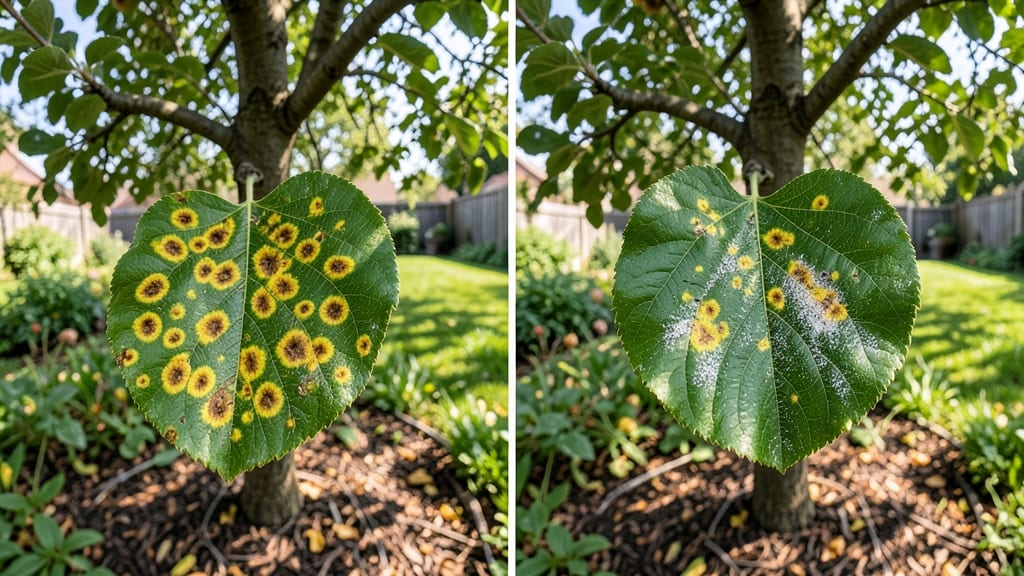
Yellow spots on apple tree 🍎 leaves can turn your harvest dreams into a gardener’s worst headache—but most causes are easier to fix than you think.
Picture this: you’ve spent months nurturing your apple tree, only to spot those telltale yellow splotches creeping across the leaves. Before you panic, the key is pinpointing whether it’s a fungal infection, nutrient starvation, or something else entirely.
In this guide, I’ll walk you through the 5 most common causes of yellowing leaves, from apple scab to magnesium deficiency, and show you exactly how to diagnose and treat each one—without harsh chemicals if you prefer organic solutions.
You’ll also learn when to call in a pro, plus simple prevention tips to keep your tree thriving for years. Let’s get your 🍎 back to its vibrant best!
5 Most common causes of yellow spots on apple tree leaves
Yellow spots on apple tree leaves are like your tree’s way of sending an SOS—each pattern tells a different story. The first step is identifying whether those spots are caused by fungal infections, nutrient deficiencies, environmental stress, or pest activity.
Without proper diagnosis, even well-meaning treatments can backfire, so let’s break down what you’re really dealing with.
I’ve seen gardeners waste weeks on ineffective remedies because they misdiagnosed the issue. For example, what looks like drought stress might actually be iron chlorosis, or those fuzzy white patches could be powdery mildew instead of harmless spider mites.
The key is observing details like spot shape, leaf texture, and where on the tree they appear.
Here’s a quick visual guide to help you match symptoms with causes before diving into solutions. Each condition has distinct visual clues that can save you time—and your tree’s health.
| Cause | Visual Symptoms | Leaf Location | Time of Year |
|---|---|---|---|
| Apple Scab | Olive-green/yellow spots with velvety texture; may crack and ooze | Upper leaves, often near fruit | Spring to early summer |
| Powdery Mildew | White powdery patches on both leaf surfaces; yellowing underneath | New growth, lower canopy | Late summer to fall |
| Iron Chlorosis | Interveinal yellowing (veins stay green); crispy edges | Young leaves, upper canopy | Spring to early summer |
| Magnesium Deficiency | Yellow patches between veins; brown spots later | Older leaves, lower branches | Summer to fall |
| Sunburn | Dry, brown/yellow patches on sun-exposed edges; crispy texture | South/west-facing leaves | Late spring to summer |
| Aphid/Mite Damage | Stippled yellow spots; sticky residue (honeydew) on leaves | New shoots, undersides of leaves | Spring to fall (peaks in heat) |
Apple scab is one of the most aggressive culprits, often starting as small yellow spots that turn olive-green and develop a fuzzy texture. I once saw a Granny Smith tree completely defoliate by midsummer because the owner thought it was just drought stress.
The fungus spreads quickly in wet springs, so if you see these spots in April or May, act fast with copper fungicides.
Powdery mildew, on the other hand, thrives in dry, warm conditions and leaves a telltale white dust on leaves. The yellowing underneath is a dead giveaway—this fungus blocks sunlight, causing the leaf to starve.
I’ve treated this by spraying neem oil every 7–10 days during outbreaks, but prevention (like proper spacing between trees) is even better.
Nutrient deficiencies like iron chlorosis or magnesium deficiency often get confused with diseases, but the key difference is their location. Iron chlorosis hits young leaves first, while magnesium shows up on older leaves.
A simple soil test can confirm deficiencies, but quick fixes include chelated iron sprays or Epsom salt (for magnesium) applied to the soil.
Environmental stress from sunburn or drought can mimic nutrient issues, but the spots are usually on exposed leaf edges and accompanied by wilting. I’ve seen this happen when a young tree gets transplanted without proper acclimation to full sun.
Mulching and consistent watering can prevent this, but once the damage appears, there’s no cure—just prune affected leaves to encourage new growth.
Finally, pests like aphids and mites leave behind yellow stippling as they feed. Check the undersides of leaves for tiny insects or webbing—this is often the first sign. A strong spray of water or insecticidal soap can knock them back, but severe infestations may need systemic treatments like imidacloprid.
Now that you’ve matched your symptoms to a cause, the next step is treatment—but remember, prevention is always easier than cure. For example, pruning for airflow reduces fungal diseases, while regular soil testing catches deficiencies before they show up on leaves. 🌿
Step-by-step fixes for each yellow spot cause (with prevention tips)
Once you’ve identified the cause of those yellow spots on apple tree leaves, it’s time to act. Each issue requires a targeted approach—whether it’s fungal treatment, soil amendments, or pest control.
The key is acting quickly to prevent spread and implementing long-term prevention to keep your tree thriving.
For fungal diseases like apple scab or powdery mildew, organic fungicides and proper pruning are your best tools. If the problem is nutrient deficiencies, soil tests and targeted fertilizers will restore balance. And for environmental stress or pest damage, adjusting care routines can make all the difference.
Below is a clear, step-by-step guide tailored to each common cause, plus prevention tips to keep your apple tree healthy year-round.
🌿 Step-by-Step Fixes for Yellow Spots
-
1
For Fungal Diseases (Apple Scab, Powdery Mildew):
- Apply copper fungicide (e.g., Bordeaux mixture) or neem oil every 7-10 days during wet seasons.
- Remove and dispose of infected leaves (do not compost) to prevent spores from spreading.
- Improve air circulation by pruning dense branches and thinning foliage.
-
2
For Nutrient Deficiencies (Iron, Magnesium):
- Conduct a soil test to confirm deficiencies (e.g., low iron or magnesium).
- Amend soil with chelated iron (for chlorosis) or Epsom salt (1 tbsp per gallon of water, applied foliarly).
- Add organic matter like compost or well-rotted manure to improve soil structure.
-
3
For Environmental Stress (Sunburn, Drought):
- Provide afternoon shade (e.g., shade cloth) if leaves show sunburn (brown, crispy edges).
- Water deeply 1-2 times per week (20 gallons per tree) to prevent drought stress.
- Mulch around the base of the tree with 2-3 inches of organic mulch to retain moisture.
-
4
For Pest Damage (Aphids, Mites):
- Spray leaves with soapy water (1 tsp mild soap per quart of water) to dislodge pests.
- Introduce beneficial insects like ladybugs or lacewings to control aphids naturally.
- Apply horticultural oil in early spring to smother overwintering pests.
-
5
Prevention Tips for All Causes:
- Monitor leaves weekly for early signs of stress or disease.
- Prune in late winter to remove dead/diseased wood and improve airflow.
- Rotate fungicide types annually to prevent resistance in pathogens.
Remember, early intervention is critical—once fungal diseases or pests take hold, they can spread rapidly. By following these steps, you’ll not only revive your apple tree but also protect it for future seasons. Consistency in care pays off with healthier leaves and better fruit yields.
If you notice yellowing persists despite these efforts, it may be time to consult a local arborist or extension service for advanced diagnostics. But in most cases, your apple tree will bounce back with the right treatment and a little patience.
🍎