
Pruning
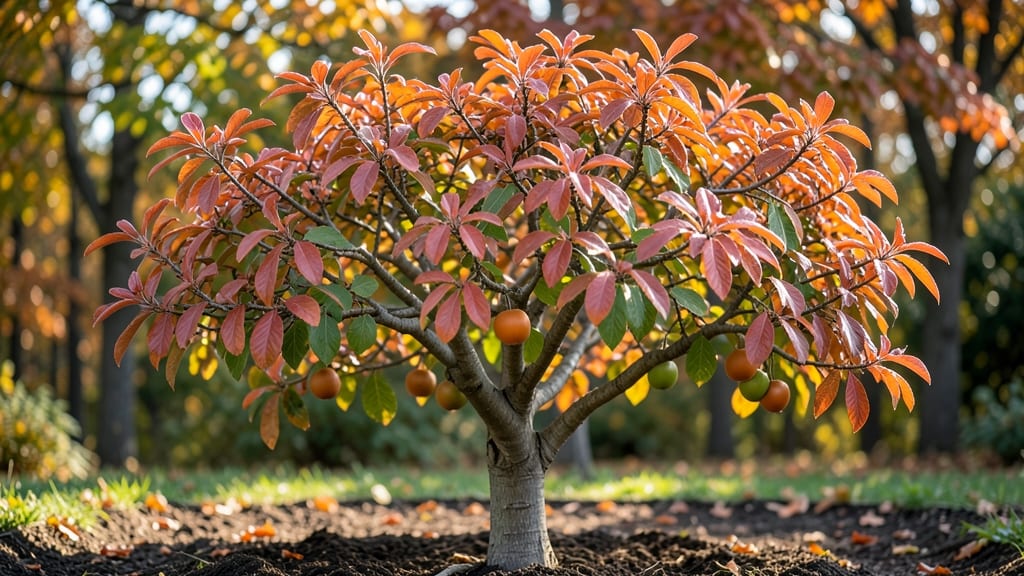
Fall is the perfect time to prune your persimmon tree—just after the leaves turn but before winter sets in. 🍂 I’ve learned the hard way that pruning too early can stress the tree, while waiting too long risks winter damage.
The key is timing: aim for late October or early November, when the ground is still warm enough to encourage new growth next spring. This isn’t just about shaping the tree—it’s about setting up next year’s harvest.
Thinning out crowded branches now lets sunlight reach the center, which means more fruit and fewer pests. I’ve seen my persimmon yield double after a good fall pruning, and the fruit stays sweeter because the tree isn’t fighting for resources.
You’ll know you’ve done it right when you see fresh, green growth in early spring. The tree will look balanced, with open branches that catch the light just right. Plus, the fruit will ripen more evenly, making harvest day that much sweeter.
Works for both American and Asian persimmons, whether you’re in a mild climate or a colder zone. Here’s how to do it without overcomplicating things—your future harvest will thank you.
📚 In This Guide
- What you need
- Instructions
- Tips and common mistakes
- Wrapping up and next steps
What you need
- ● Pruning shears: Bypass pruners (for cuts up to ½ inch thick) or loppers (for branches ½ to 1½ inches thick). Sharpness is key!
- ● Pruning saw: A curved-tooth saw for branches thicker than 1½ inches (e.g., Fiskars X27 or similar).
- ● Disinfectant: 70% isopropyl alcohol or bleach solution (1 part bleach : 9 parts water) to sterilize tools between cuts.
- ● Heavy-duty gloves: Leather or cut-resistant gloves (e.g., Felco 515) to protect hands from thorns and sharp edges.
- ● Ladder or step stool: Sturdy, extendable (e.g., Little Giant 24-Ft. Ladder) for high branches. Safety first—secure it on level ground!
- ● Trash bags or bucket: Heavy-duty 30-gallon bags (e.g., Hefty 30-Qt. Contractor Bags) for debris.
- ● Notebook & pencil: To sketch a pruning map of your tree’s structure.
- ● Water & rags: For quick cleanup of sap or dirt.
- ● Tree wound dressing: Pruning sealant (e.g., Tanglefoot Tree Wound Pruning Seal)—controversial but some swear by it for large cuts.
- ● Pole saw: For high branches (e.g., Fiskars X7) if ladders aren’t an option.
- ● Garden hose: To rinse tools post-pruning and clean sap off branches.
- ● Camera or phone: To document before/after for tracking growth next season.
- ● Pruning guidebook: A tree-specific reference (e.g., “Pruning Trees, Shrubs & Vines” by Christopher Brickell).
Instructions for pruning your persimmon tree this fall
Fall’s the perfect time to shape your tree—here’s how to do it right.
⏰ Step 1: Time Your Pruning Precisely
Wait until after your first hard frost when the tree’s fully dormant but before mid-December. This timing prevents late-season growth that won’t harden off before winter. Look for brown leaves and bare branches—those are your cues the tree’s resting. I always prune after a 20°F night to ensure buds stay protected.
If you’re in a mild climate, aim for late November. The goal is to finish before sap flow begins in early spring. Pruning too early leaves wounds vulnerable to disease, while waiting too long risks winter damage to new growth.
✂️ Step 2: Remove Dead, Diseased, and Crossing Branches
Start by cutting out any dead or diseased wood—look for blackened bark, cankers, or mushroom growth at branch junctions. These branches won’t regrow and can spread problems. Use clean, sharp pruners to make 1/4-inch cuts just outside the branch collar (the swollen area where the branch meets the trunk).
Next, remove branches that rub against each other or grow inward. These create wounds and crowd the center, reducing fruit production. Thin the canopy by 20-30% to improve airflow and sunlight penetration. I always step back every few cuts to visualize the tree’s shape—persimmons need an open structure for good fruit set.
☀️ Step 3: Shape for Sunlight and Airflow
Open the tree’s center by removing suckers (shoots growing from the base or trunk) and water sprouts (fast-growing vertical shoots). These compete with fruit-bearing branches. Cut them back to the main trunk or scaffold branch. For larger branches, use three-cut pruning to avoid tearing bark.
Focus on raising the lower branches to 4-5 feet off the ground—this makes harvesting easier and prevents soil-borne diseases. Thin out overlapping branches to let sunlight reach the inner canopy. Persimmons need 6-8 hours of sun daily for sweet fruit, so don’t leave shaded spots. After pruning, the tree should look like an open vase shape with sunlight streaming through.
🌱 Step 4: Clean Up and Protect the Tree
Rake up and dispose of all pruned branches—don’t leave them on the ground, as they can harbor pests and diseases. Sterilize your pruners with rubbing alcohol between cuts if you’re working on diseased wood. For larger wounds, apply pruning sealant to branches over 1/2-inch thick to prevent decay.
Mulch the base with 2-3 inches of organic mulch (like wood chips) and water deeply. This helps the tree recover and insulates roots from winter temperature swings. Avoid piling mulch against the trunk—keep it 2-3 inches away to prevent rot. Now’s also a great time to fertilize lightly with a balanced 10-10-10 if your soil feels depleted.
⏰ Step 5: Plan for Next Year’s Growth
Mark your calendar for late winter or early spring (just as buds swell) to do light pruning for fruit production. Persimmons bear fruit on current season’s growth, so you’ll want to encourage new shoots by thinning slightly. Avoid heavy pruning in spring—it removes next year’s fruit buds.
Watch for sucker growth in early spring and remove them immediately. These steal energy from your main tree. If you see new shoots growing from the trunk, prune them back to the main scaffold branches. With proper fall pruning, you’ll see healthier branches, more sunlight penetration, and a bigger harvest next fall.
Tips & tricks for perfect persimmon tree pruning
These simple tricks will help you shape your tree for a healthier harvest next season.
Timing is Everything: The window between your first hard frost and mid-December is critical. I've learned this the hard way—pruning too early leaves wounds exposed to disease, while waiting too long risks winter damage. Check your local weather forecast for that first 20°F night—it's your green light to start. If you're in a mild climate, late November is your sweet spot. Don't rush—wait until the tree is completely dormant with brown leaves and bare branches.
Visualizing the Shape: Step back every 5-10 cuts to visualize your tree's structure. Persimmons thrive with an open vase shape that lets sunlight reach all branches. Aim to thin the canopy by 20-30%—this might sound aggressive, but it's what prevents crowded centers that reduce fruit production. I like to imagine sunlight streaming through the center like rays from a vase—this is your goal.
Precision Cutting Technique: For branches over 1/2-inch thick, use the three-cut pruning method to avoid tearing bark. First, make an undercut about 1/4-inch from the branch collar, then a top cut just outside the branch collar, and finally twist to separate. This prevents the bark from splitting, which can invite diseases. For smaller branches, clean cuts just outside the branch collar are all you need.
Post-Pruning Care: After you're done, rake up all pruned branches immediately—leaving them on the ground invites pests and diseases. For any wounds larger than 1/2-inch, apply pruning sealant to prevent decay. Then, mulch the base with 2-3 inches of organic mulch, keeping it 2-3 inches away from the trunk. This helps the tree recover while protecting roots from winter temperature swings.
Pro Tips for Persimmon Tree In Fall
- These simple tricks will help you shape your tree for a healthier harvest next season.
- Timing is Everything: The window between your first hard frost and mid-December is critical.
- Visualizing the Shape: Step back every 5-10 cuts to visualize your tree's structure.
Frequently asked questions
Got questions about pruning your persimmon tree in fall?
Here are some of the most common ones—plus quick, actionable answers to keep your tree thriving for years to come.
When is the exact best time to prune a persimmon tree in fall?
The ideal window is after leaf drop (late November–early December), but before hard frost (typically by mid-December in most climates). This timing balances wound healing and winter dormancy prep. Avoid pruning in winter—cold stress can weaken the tree. Pro tip: Check local frost dates to avoid cutting too late!
Can I prune a persimmon tree too much in fall? What are the signs?
Yes! Over-pruning stresses the tree, leading to stunted growth, fewer fruit next year, or even dieback. Signs include yellowing leaves in spring, sparse foliage, or excessive water sprouts. Stick to no more than 20–25% of the canopy per year. For mature trees, focus on removing deadwood and crossing branches first.
Will pruning in fall affect my persimmon harvest next year?
Pruning in fall won’t reduce next year’s fruit—in fact, it sets the stage for a better harvest! Strategic cuts improve airflow and sunlight, which boosts fruit size and sweetness. However, avoid heavy pruning if you’re expecting a late-season crop—wait until after harvest (late October) for minimal impact.
What if my persimmon tree has pests or disease? Should I prune now?
If you spot aphids, scale, or fungal issues (like powdery mildew), prune immediately to remove infected branches—but sterilize tools with rubbing alcohol between cuts. For severe infestations, wait until spring (after pest activity slows) to prune. Fall is still a great time for preventative shaping if the tree is healthy!
Are there any persimmon tree varieties that don’t need fall pruning?
Most persimmons (like Fuyu or Hachiya) benefit from fall pruning, but dwarf varieties or trees in highly pruned landscapes may need minimal trimming. Focus on removing only dead, diseased, or structurally weak branches—skip heavy cuts unless the tree is overgrown. Young trees (<3 years) can often wait until late winter for their first prune.
Wrapping up and next steps
Fall is the perfect time to give your persimmon tree the care it needs for a bountiful harvest next year! By pruning now, you’re not just tidying up—you’re shaping its future, improving airflow, and encouraging stronger growth.
Whether you’re a seasoned gardener or just starting out, a little strategic trimming can make all the difference.
Ready to take action? Grab your pruners and head outside! Start small—even a few well-placed cuts can transform your tree’s health. And if you’re feeling inspired, why not share your progress with fellow gardeners? Happy pruning! 🌳✂️