
Trees
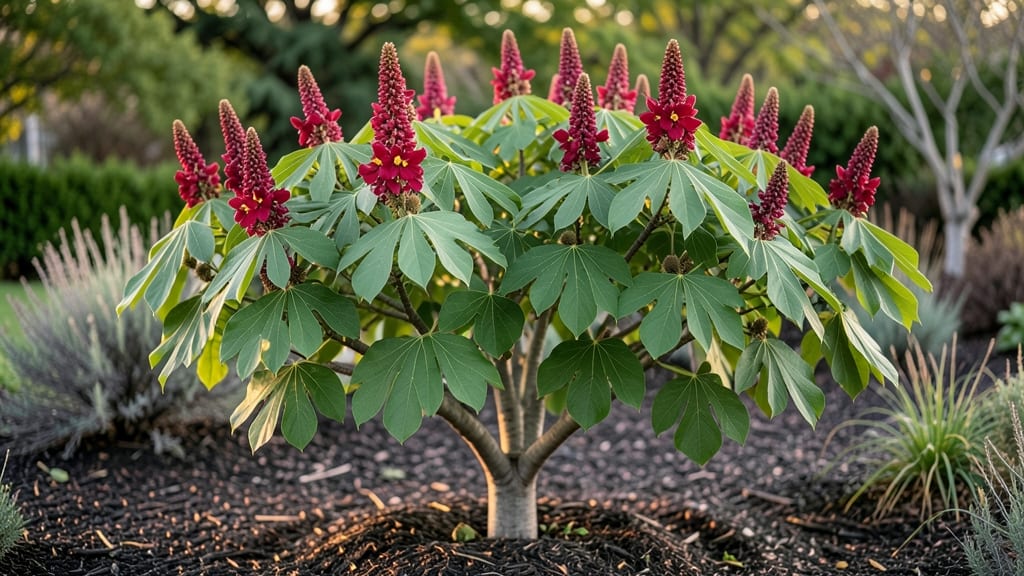
Growing buckeye trees in Colorado is entirely possible with the right cold-hardy varieties, like the Yellow Buckeye (Aesculus flava) or Ohio Buckeye (Aesculus glabra), which thrive in USDA Zones 3-7. These trees need well-drained soil, full sun exposure, and moderate watering to flourish in the state's climate.
Colorado's high-altitude environment and cold winters can be challenging for many trees, but buckeye varieties are uniquely adapted to these conditions. 🌳 The Yellow Buckeye, for instance, boasts striking golden-yellow flowers in spring and can handle temperatures as low as -30°F, making it ideal for Colorado's harshest winters.
Ohio Buckeye, while slightly less cold-tolerant, still performs well in Zones 4-7 and offers vibrant red foliage in fall. Both varieties also exhibit excellent drought resistance once established, which is crucial for Colorado's dry climate.
When planting, focus on well-draining soil with a slightly acidic to neutral pH (6.0-7.0) to prevent root rot. 🌱 Spacing is another key factor—these trees can grow 30-50 feet tall, so give them plenty of room to spread.
I recommend mulching around the base to retain moisture and protect roots from temperature swings, especially during Colorado's unpredictable spring thaw.
💡 In This Article
- Best Buckeye Tree Varieties for Colorado’s Harsh Winters
- Planting and Care Tips for Colorado Buckeye Trees
Best Buckeye tree varieties for Colorado’s harsh winters
Colorado’s winter temperatures can plunge to -30°F in some regions, making cold hardiness the most critical factor when choosing buckeye varieties. The Yellow Buckeye (Aesculus flava) stands out as the toughest option, surviving down to -30°F and thriving in USDA Zones 3-7.
Its deep taproot system helps it access moisture deep underground, a key advantage in Colorado’s dry summers. The Ohio Buckeye (Aesculus glabra), while slightly less cold-hardy (Zone 4-7), still handles -25°F and offers stunning red fall foliage that contrasts beautifully with Colorado’s golden aspen backdrops.
What sets these varieties apart is their leaf color evolution—Yellow Buckeye leaves start green but develop golden-yellow hues in fall, while Ohio Buckeye’s foliage turns fiery red. This seasonal transformation adds visual interest to Colorado landscapes where winter can feel monotonous.
Both varieties also develop thick bark as they mature, providing natural insulation against freezing winds. 🌿 The Red Buckeye (Aesculus pavia), though stunning with its scarlet flowers, struggles in Colorado’s winters (Zone 5-9) and isn’t recommended for high-altitude areas.
The drought tolerance of these varieties is equally impressive. Once established (after 2-3 years), Yellow Buckeyes can survive with 1 inch of water per week during dry spells, thanks to their extensive root systems. Ohio Buckeyes are slightly less drought-resistant but still manage with 1.5 inches weekly.
This adaptability makes them ideal for Colorado’s unpredictable precipitation patterns, where some years bring early snow while others experience prolonged dry periods.
Colorado’s high-altitude conditions also affect buckeye growth. At elevations above 7,000 feet, Yellow Buckeyes grow more slowly but develop denser wood structures to withstand wind and ice loads. The Ohio Buckeye, while slightly less adapted, still performs well in Denver’s 5,280-foot elevation and beyond.
Both varieties benefit from Colorado’s long growing season—Yellow Buckeyes can reach 30-50 feet tall over 20-30 years, while Ohio Buckeyes typically stay between 20-40 feet.
For gardeners in Colorado’s western slope (like Grand Junction), the Yellow Buckeye’s drought resistance is particularly valuable, as these regions often experience 10-12 inches of annual precipitation**. In contrast, eastern plains areas (like Fort Collins) with slightly more moisture suit Ohio Buckeyes better, thanks to their vibrant fall color displays.
The key is matching the variety to your specific microclimate—whether it’s the arid western slope or the more temperate eastern plains.
One often-overlooked advantage is how buckeye trees support Colorado’s ecosystem. Their seeds provide food for squirrels and birds, while their flowers attract pollinators like bees and butterflies. In a state where native wildlife faces habitat challenges, these trees offer both aesthetic and ecological benefits.
Planting them near wildlife corridors can create valuable food sources during Colorado’s harsh winters.