
Pruning
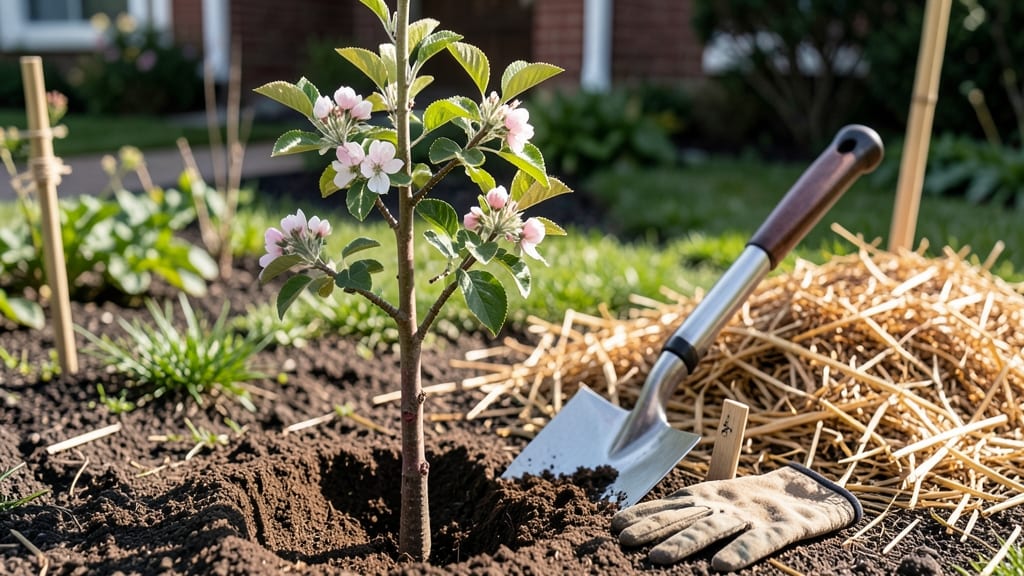
Your apple tree’s success starts with the right USDA zone—plant in the wrong one and you’ll battle frost damage or weak growth. 🍏 I’ve learned the hard way that zones 5-8 cover 90% of home orchards, but the specific varieties you choose make all the difference.
A Honeycrisp thrives in zone 4’s cold snaps, while Fuji needs zone 7’s milder winters.
The USDA map gives you a baseline, but local microclimates—like a south-facing slope or urban heat—can push you one zone higher. Check your last frost date too: plant too early, and a late freeze will kill young trees.
I always wait until after April 15th in my zone 6 area, even if the map says I’m safe earlier.
You’ll end up with trees that fruit reliably year after year, not ones struggling to survive. The right zone means faster establishment, stronger roots, and blooms that turn into apples instead of frost-damaged buds. Plus, you’ll know exactly which varieties to order—no more guessing games.
For colder zones (3-4), opt for hardy varieties like McIntosh or Cortland. Warmer zones (9-10) need heat-tolerant types like Anna or Dorsett Golden. The key is matching the tree’s needs to your climate’s reality, not just the zone number.
📚 In This Guide
- What you need
- Instructions
- Tips and common mistakes
- Wrapping up and next steps
What you need
- ● Apple tree sapling: Choose a variety suited to your USDA planting zone (e.g., Honeycrisp for Zones 4-8, Fuji for Zones 5-9). Buy from a reputable nursery.
- ● Shovel: A round-point shovel (18–24 inches) for digging the planting hole.
- ● Garden fork or tiller: To loosen soil, especially if compacted.
- ● Compost or well-aged manure: 5–10 gallons to enrich the planting hole.
- ● Mulch: 2–3 inches of wood chips, straw, or pine needles to retain moisture and regulate soil temperature.
- ○ Tree stakes (optional but recommended): 2–3 stakes (1.5–2 inches wide) and soft tree ties to support young trees.
- ● Watering can or hose with nozzle: For gentle, deep watering (aim for 1–2 gallons per watering).
- ● Pruning shears: Bypass pruners (sharp, clean, and sanitized) for trimming dead or crossing branches.
- ○ Fertilizer (optional but helpful): A balanced, slow-release fertilizer (e.g., 10-10-10) or organic options like fish emulsion.
- ● Soil test kit: To check pH (ideal: 6.0–7.0) and nutrient levels before planting.
- ● Root stimulator: A gel or powder to encourage root growth (apply to roots before planting).
- ● Tree guard or protective barrier: To shield young trees from animals (e.g., deer or rabbits).
- ● Drip irrigation system: For consistent moisture, especially in hot or dry zones.
- ● Pest/disease control: Copper fungicide (for apple scab) or neem oil (organic option).
Step-by-step guide to planting apple trees in the right zones
Here's how to pick the perfect spot and variety for your apple tree—guaranteed to thrive.
🌱 Step 1: Determine Your USDA Zone and Microclimate
First, find your USDA Plant Hardiness Zone using the USDA Climate Map (just enter your ZIP code). Most apple trees thrive in zones 4-8, but some varieties like 'Honeycrisp' prefer 5-8, while 'Granny Smith' handles 6-9. Write your zone number down—it’s your starting point.
Next, consider your microclimate. A sunny, sheltered spot near a south-facing wall can add 2-5°F of warmth, letting you grow varieties that wouldn’t normally survive in your zone. Check your yard for frost pockets (low areas where cold air settles) and avoid planting there—apple blossoms are frost-sensitive.
☀️ Step 2: Choose Cold-Hardy Varieties for Your Zone
If you’re in zones 4-5, go for cold-resistant varieties like 'McIntosh' or 'Cortland'—they handle -30°F without flinching. In zones 6-7, 'Fuji' or 'Gala' are great choices, while zones 8-9 favor heat-tolerant types like 'Anna' or 'Dorsett Golden.' Cross-pollination matters too—plant two compatible varieties for fruit production.
Pro tip: Check the chilling hour requirements for your tree. Most apples need 300-1,000 hours below 45°F per year. If you’re in a warm zone (like 8-9), pick low-chill varieties like 'Tropicana' or 'Ein Shemer'—they’ll still produce fruit without enough winter chill.
🪴 Step 3: Pick the Perfect Planting Spot
Apple trees need full sun (6-8 hours daily) and well-draining soil. Avoid low spots where water pools—root rot is a silent killer. If your soil is heavy clay, amend it with 3-4 inches of compost mixed into the top 12 inches before planting. Test your soil’s pH too—apples prefer 6.0-7.0.
Space trees 20-25 feet apart for dwarf varieties or 40-50 feet for standard-sized trees. If space is tight, consider espalier training against a fence or wall. Just avoid planting near large shade trees—apples need sunlight to set fruit.
⏰ Step 4: Plant at the Right Time and Depth
Plant bare-root trees in early spring (before buds swell) or container-grown trees in late winter/early spring. Dig a hole twice as wide as the root ball but no deeper—apple trees hate sitting too low. Loosen the roots gently if they’re circling and spread them out before placing the tree in the hole.
Backfill with native soil (no amendments) and water deeply to settle it. The graft union (the bump where the rootstock meets the scion) should sit 2-4 inches above soil level. Mound soil slightly around the base to hold moisture—this helps young trees establish roots before summer heat arrives.
💧 Step 5: Mulch and Water for Strong Establishment
Spread 3-4 inches of mulch (wood chips or straw) around the base, keeping it 6 inches away from the trunk to prevent rot. Mulch retains moisture and regulates soil temperature—critical for young trees. Water deeply once a week (or more in extreme heat) until the tree is 3-4 feet tall.
Real talk: Overwatering is worse than underwatering. Let the top 2-3 inches of soil dry out between waterings—soggy roots lead to disease. In the first year, focus on root growth, not fruit production. Prune only to remove dead branches and open the center for airflow.
Tips & tricks for perfect apple tree planting
These simple strategies will help your apple tree thrive in any zone—no matter where you live.
Zone-Specific Variety Selection: The chilling hour requirements (300-1,000 hours below 45°F) are non-negotiable for fruit production. I always double-check a variety's chilling needs against my local climate data—some trees like 'Honeycrisp' need full chill hours, while others like 'Tropicana' can thrive with minimal chill. This is why I recommend consulting your local cooperative extension office for hyper-local advice.
Microclimate Mastery: That 2-5°F temperature boost from a south-facing wall can make all the difference in marginal zones. I've seen gardeners extend their growing range by 1-2 zones just by planting near brick walls or dark-colored fences. Use this to your advantage—even a simple wire mesh screen can create a microclimate that protects blossoms from late frosts.
Soil Prep Strategy: The 3-4 inches of compost mixed into the top 12 inches of soil isn't just about nutrients—it's about creating the perfect drainage. I've learned this the hard way after watching root rot take hold in heavy clay soil. Test your soil's drainage by digging a hole, filling it with water, and timing how long it takes to drain. If it takes more than 6 hours, you need more amendments.
Planting Depth Visual: Getting the graft union 2-4 inches above soil level can be tricky. I use a small stick marked with measurements to verify depth before backfilling. This ensures the tree has the right amount of trunk exposed to prevent rot while allowing future growth. Think of it as creating a natural moat around the base that holds moisture without drowning the roots.
Pro Tips for Apple Tree Planting Zones
- These simple strategies will help your apple tree thrive in any zone—no matter where you live.
- Zone-Specific Variety Selection: The chilling hour requirements (300-1,000 hours below 45°F) are non-negotiable for fruit production.
- Microclimate Mastery: That 2-5°F temperature boost from a south-facing wall can make all the difference in marginal zones.
Frequently asked questions
Got questions about planting apple trees in the right zones? You’re not alone! Here are some of the most common concerns—and their answers—to help you grow a thriving orchard.
What USDA Planting Zone is best for apple trees?
Apple trees thrive in USDA Zones 4-8, but the best zone depends on the variety. Cold-hardy types like Honeycrisp or Granny Smith do well in Zones 4-6, while heat-tolerant varieties like Anna or Dorsett Golden suit Zones 7-9. Check your local microclimate—urban areas can be warmer than rural zones!
When is the best time to plant an apple tree?
Plant in early spring or fall (4-6 weeks before the first frost) for optimal root establishment. Avoid extreme heat or cold. Pro tip: Plant in late winter (before buds swell) or early autumn (6-8 weeks before frost) to give roots time to settle before dormancy.
Can I grow apple trees in containers or small spaces?
Yes! Dwarf or semi-dwarf varieties (like Columnar or Spartan) thrive in containers or tight spaces. Use a 5-gallon pot minimum (15+ gallons for mature trees) with well-draining soil. Place in full sun (6+ hours/day) and prune regularly to encourage airflow. Warning: Containers dry out faster—water deeply 2-3x/week!
How do I choose the right apple tree for my zone?
Pick varieties matched to your chilling hours (most apples need 300–1,000 hours below 45°F). Use the USDA Interactive Map to filter by zone, then cross-reference with local extension office recommendations. Example: Fuji (Zones 5-9) vs. McIntosh (Zones 3-7). Pollination needs matter too—plant two compatible varieties!
Why isn’t my apple tree producing fruit?
Common culprits: lack of pollination (plant two varieties), young age (dwarf trees fruit in 2–4 years; standard trees take 5–7), or poor growing conditions (check soil pH 6.0–7.0, sunlight, and water). Fix it: Thin fruit clusters in spring and fertilize with low-nitrogen, high-potassium mix to boost blooms.
Do apple trees need a specific soil type?
Apple trees prefer well-draining, slightly acidic soil (pH 6.0–7.0). Amend heavy clay with compost or sand, and avoid soggy spots (root rot risk!). Test your soil: Use a home kit or send a sample to your local extension service for tailored advice.
Wrapping up and next steps
Planting an apple tree is a rewarding journey, and understanding apple tree planting zones is your first step to success! 🌱 By matching your location to the USDA climate map, you’ll ensure your tree thrives with the right care, soil, and seasonal timing.
Whether you’re a beginner or a seasoned gardener, knowing your zone unlocks the potential for bountiful harvests and healthy growth.
Now that you’re armed with knowledge, take the next step: pick the perfect variety for your zone and start digging! 🌟 Happy planting—your future orchard awaits.