
Pruning
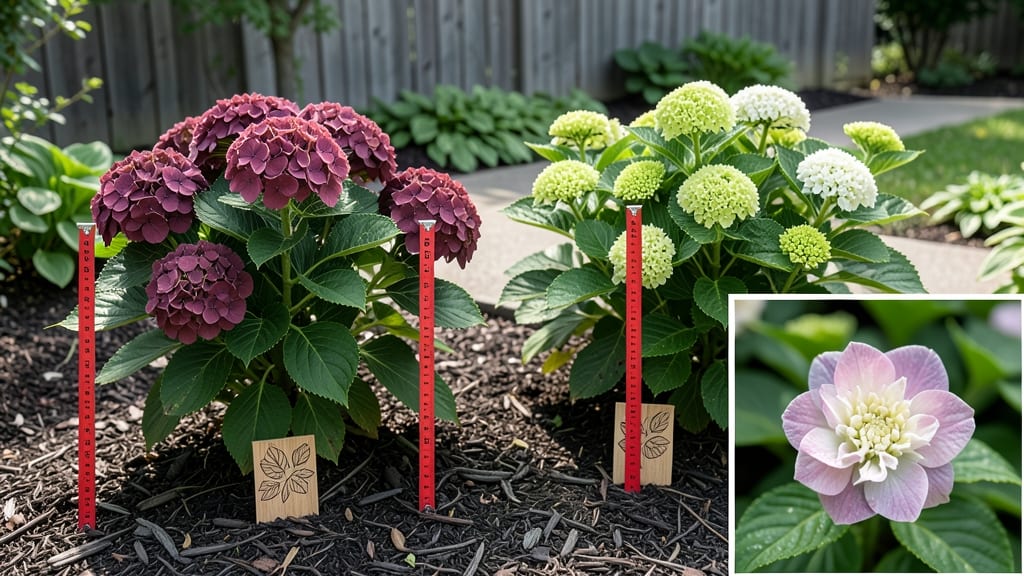
Choosing between the Phantom hydrangea tree vs Limelight comes down to height control and seasonal drama. 🌿 Both are Hydrangea paniculata stars, but Phantom stretches to 12-15 feet while Limelight tops out at 8-10 feet—making Limelight the small-garden hero.
I’ve grown both, and Limelight’s compact size lets you tuck it into tight spaces without sacrificing impact.
Phantom’s towering presence delivers bold, cone-shaped blooms that start green, blush pink, then deepen to rusty red by fall. Limelight, meanwhile, wears creamy white flowers that age to soft lime green, offering a gentler contrast.
Both thrive in full sun to partial shade, but Phantom handles heat better—ideal for hotter climates.
The real magic happens in pruning: both bloom on new wood, so you can trim back in late winter without fear. Phantom’s height demands stronger supports or strategic placement, while Limelight fits neatly under power lines or as a standalone focal point.
For pest resistance, they’re both tough—just watch for powdery mildew in humid summers.
If your yard is cozy, Limelight’s controlled height and delicate hues win. Need a statement maker? Phantom’s dramatic size and fiery fall colors steal the show. Either way, you’ll get months of blooms and minimal fuss—just don’t forget to deadhead spent flowers for next year’s display.
The first product explained
The Phantom Hydrangea Tree (Hydrangea paniculata 'Phantom') is a stunning, compact shrub that brings bold color and year-round interest to small gardens. Known for its spectacular blooms, this deciduous tree is a favorite among gardeners who love low-maintenance yet high-impact plants.
Let’s dive into what makes the Phantom Hydrangea Tree a standout choice for your landscape!
🌿 Key Specs & Features
- Mature Height: 6–8 feet (with a spread of 5–6 feet), making it ideal for small gardens or as a focal point in borders.
- Bloom Time: Late summer to fall, with long-lasting flowers that transition from white to soft pink, then deep burgundy—adding seasonal drama.
- Growth Rate: Moderate (12–24 inches per year), so it won’t overwhelm your space quickly.
- Hardiness: Thrives in USDA Zones 4–8, handling both heat and cold with ease.
- Soil & Sun: Adaptable to partial shade or full sun; prefers well-drained soil but tolerates a range of conditions.
- Deer & Pest Resistance: Generally deer-resistant and less prone to pests, reducing the need for harsh chemicals.
🎯 Target Users
The Phantom Hydrangea Tree is perfect for:
- Homeowners with small yards or urban gardens who want a statement plant without sacrificing space.
- Gardeners who love seasonal color shifts and extended blooms.
- Those seeking a low-maintenance shrub that still delivers high visual impact.
- Landscapers designing for pollinator-friendly gardens (bees and butterflies adore its flowers!).
💰 Price Point & Value
Pricing for the Phantom Hydrangea Tree typically ranges from $30–$60 per plant, depending on size and retailer. While not the cheapest option, its versatility, durability, and show-stopping blooms make it a worthwhile investment for long-term garden beauty.
Smaller 1-gallon pots start on the lower end, while larger 3–5 gallon specimens (already 3–4 feet tall) justify the higher price for instant impact.
Pro Tip: 💡 Pair it with Limelight Hydrangeas (its cousin) for a stunning color contrast—white Phantom blooms against Limelight’s lime-green flowers create a breathtaking duo!
The second product explained
Meet the Limelight Hydrangea (Hydrangea paniculata 'Limelight')—the bold, statement-making tree that’s stealing the spotlight in small gardens everywhere! 🌟 Known for its dramatic, cone-shaped blooms and long-lasting color, this hydrangea is a game-changer for homeowners who want height, texture, and seasonal interest without sacrificing space. Let’s dive into what makes this plant a standout contender in the Phantom vs. Limelight showdown.
📏 Key Specs & Features
If you’re short on space but dream of a towering, lush focal point, the Limelight delivers:
- Mature Height: 6–8 feet (with a spread of 5–6 feet), making it slightly taller than Phantom but more compact.
- Growth Rate: Moderate (12–24 inches per year), so it won’t overwhelm your garden overnight.
- Bloom Time: Summer to fall—its flowers start as creamy white and gradually shift to rosy-pink, adding a dynamic pop of color.
- Foliage: Deep green, glossy leaves that stay vibrant all season, even after blooms fade.
- Hardiness: Thrives in USDA Zones 3–8, handling both heat and cold with ease.
- Light Needs: Full sun to partial shade (6+ hours of sun for best blooms).
- Soil Tolerance: Adaptable—works in average garden soil, clay, or even slightly alkaline conditions.
- Wildlife Appeal: Attracts butterflies and pollinators, adding life to your garden ecosystem.
🎯 Who’s It For?
The Limelight is the perfect pick for:
- Small-space gardeners who want height without bulk—ideal for backyard borders, foundation plantings, or as a standalone specimen.
- Low-maintenance lovers: Drought-tolerant once established, and deer-resistant (a win for rural areas!).
- Seasonal color chasers: Its long bloom season and fall foliage keep your garden looking fresh from summer to winter.
- Urban dwellers with patios or courtyards—its manageable size fits cozy spaces beautifully.
💰 Price Point & Where to Buy
Ready to bring home this garden star? Here’s the scoop on costs:
- Container-Grown (3–5 gallons): $40–$70 (ideal for immediate planting).
- Bare-Root (smaller plants): $25–$50 (best for early spring planting).
- Mature Specimens (10+ gallons): $80–$150+ (if you’re willing to invest for instant impact).
💡 Pro Tip: Check local nurseries, Home Depot, or Lowe’s for sales—many offer discounts on hydrangeas in early spring! For rare varieties, online retailers like Fast-Growing-Trees.com or Wayne’s World of Trees are great options.
Head-to-head comparison
Ready to dive into the Phantom Hydrangea Tree vs. Limelight Hydrangea showdown? 🌿✨ These two stunners are both beloved for their lush foliage and vibrant blooms, but they bring different strengths to your small garden.
Let’s break it down in a side-by-side comparison so you can decide which one will steal the spotlight in your outdoor space.
🌱 Mature Height & Growth Habit
The Phantom Hydrangea is the tall, dramatic queen of the two, reaching a mature height of 6–8 feet with a spread of 5–6 feet.
It’s a shrub that grows upright with a slightly rounded top, making it perfect for creating a natural focal point or as a privacy screen in small to medium gardens. Its growth is steady but not aggressive, so it won’t overwhelm your space if pruned correctly.
On the other hand, the Limelight Hydrangea is a slightly shorter but broader beauty, maxing out at 4–6 feet tall with a spread of 4–5 feet. It has a more rounded, bushy shape, which gives it a fuller, softer look compared to Phantom’s sleek elegance.
If you’re working with a tight space or want a lush, layered backdrop, Limelight is the way to go.
Winner for height? If you’re after vertical drama, Phantom takes the crown. But if you prefer a compact, rounded silhouette, Limelight is the champ.
🌸 Bloom Time & Flower Performance
Both hydrangeas are reliable bloomers, but their timing and color intensity differ slightly.
- Phantom Hydrangea: Blooms in early to mid-summer (June–July) with deep pink flowers that fade to a soft lavender as the season progresses. The blooms are large and showy, making them a standout feature in any garden.
- Limelight Hydrangea: Also blooms in mid-summer (July–August) but in a vibrant lime-green hue that transitions to a soft cream or blush as it matures. Its flowers are slightly smaller but packed densely, giving it a lush, cloud-like appearance.
Pro tip: 💡 Both are mophead-type hydrangeas, meaning they produce large, rounded flower heads. However, Phantom’s blooms last longer into early fall, while Limelight’s color shift adds seasonal interest.
💰 Price & Availability
When it comes to cost, these two are pretty close, but there are a few nuances to consider:
| Factor | Phantom Hydrangea | Limelight Hydrangea |
|---|---|---|
| Average Price (Per Plant) | $40–$70 | $35–$65 |
| Where to Buy | Nurseries, big-box stores (Home Depot, Lowe’s), online retailers (Wayfair, Proven Winners) | Nurseries, specialty garden centers, online (Burpee, Fast-Growing-Trees) |
| Rarity Factor | More commonly stocked; easier to find year-round. | Slightly harder to find in big-box stores; often seasonal. |
Budget pick: If you’re shopping at a big-box store, Phantom is usually the easier find. But if you’re willing to hunt for a specialty nursery, Limelight can sometimes be snagged at a discount.
🌧️ Care Requirements & Durability
Both hydrangeas are low-maintenance superstars, but they have slight differences in hardiness and care needs.
- Hardiness Zones:
- Phantom: Zones 3–8 (tolerates colder climates better).
- Limelight: Zones 4–9 (prefers milder winters but can handle light frost).
- Sunlight Needs:
- Phantom: Partial shade to full sun (morning sun + afternoon shade is ideal to prevent leaf scorch).
- Limelight: Partial shade to full sun (thrives in bright, indirect light but can handle more sun than Phantom).
- Watering Needs:
- Both need consistent moisture, especially during the first year. Once established, they’re drought-tolerant but bloom better with regular watering.
- Phantom may need slightly more frequent watering in extreme heat due to its taller stature.
- Pruning:
- Both should be pruned in late winter or early spring (before new growth starts).
- Phantom benefits from light shaping to maintain its upright form.
- Limelight may need more aggressive pruning to encourage bushier growth.
Durability winner: 🌡️ If you live in a colder zone (3–4), Phantom is the tougher choice. For warmer climates (8–9), Limelight holds its own beautifully.
🎨 Color & Seasonal Interest
This is where the two really shine—literally!
- Phantom Hydrangea:
- Starts with deep pink blooms that fade to soft lavender.
- Leaves are dark green and glossy, providing year-round structure.
- In fall, the foliage may turn bronze or purple, adding autumn color.
- Limelight Hydrangea:
- Blooms in lime green that shifts to cream or blush.
- Leaves are medium green and slightly lighter than Phantom’s.
- Fall foliage can turn yellow or gold, offering a cheerful contrast.
Design tip: ✨ If you love bold, romantic colors, Phantom is your pick. For a f
Which one should you choose?
So, which hydrangea reigns supreme in your small garden? The answer depends on your priorities—Phantom Hydrangea or Limelight? Let’s break it down to help you decide:
🌿 Pick Phantom Hydrangea if...
- You love bold color: Phantom’s fiery red blooms steal the show year-round, even in winter.
- You need height control: It tops out at 6–8 ft, making it ideal for tight spaces.
- You’re a low-maintenance gardener: Thrives in partial shade and handles pruning like a champ.
- You want wildlife appeal: Butterflies and bees adore its flowers!
🌸 Pick Limelight Hydrangea if...
- You prefer versatility: Its lime-green blooms transition to pink, offering seasonal variety.
- You need a taller statement: Reaches 8–10 ft, perfect for creating a focal point.
- You love mildew resistance: Limelight handles humidity better than Phantom.
- You’re a shade lover: Thrives in low-light spots where other hydrangeas struggle.
💡 Pro Tip for Small Gardens:
If space is ultra-limited, prune both aggressively in late winter to keep them compact. Phantom responds well to hard pruning, while Limelight benefits from shaping cuts to encourage bushier growth.
Still unsure? Plant one of each! Their contrasting colors and textures create a stunning duo. Just ensure they get consistent moisture—hydrangeas hate drought. 💧