
Pests
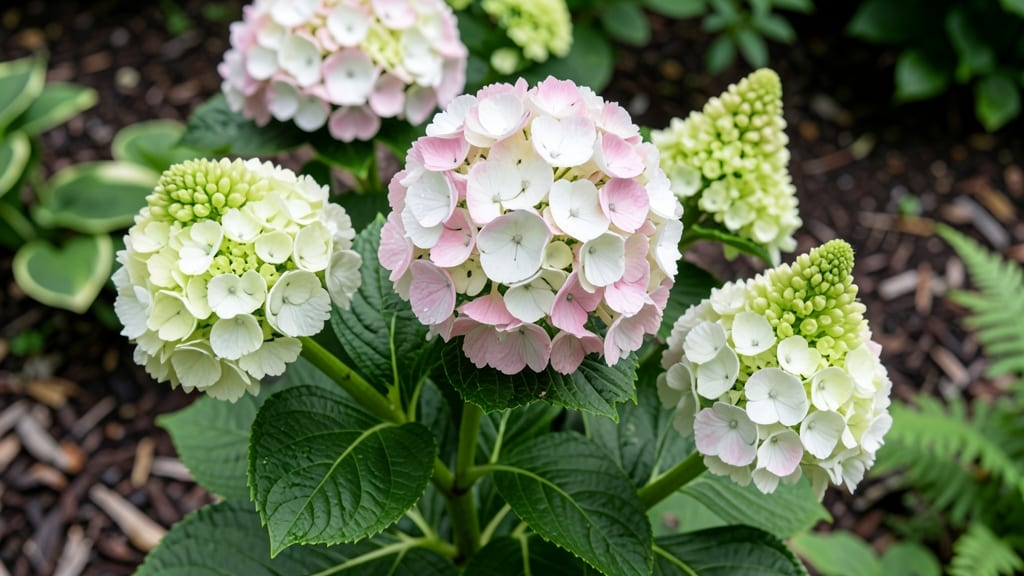
Deer-resistant hydrangea trees save your garden from becoming a buffet. 🌿 I’ve lost count of the times my hydrangeas were stripped to bare branches—until I discovered these tougher varieties and natural deterrents that finally worked.
The key isn’t just planting the right shrub (like Oakleaf or Panicle hydrangeas), but combining it with physical barriers (like tall fencing or mesh wraps) and strong-smelling companions (lavender, boxwood, or Russian sage). Deer hate the scent and texture of these plants, making your hydrangea less appealing.
Within weeks, you’ll notice new growth where there were once chewed leaves. The foliage stays lush and green all year, and the deer move on to easier targets. No more sad, skeletonized shrubs staring back at you from the yard.
Works for both new plantings and existing hydrangeas—just add the deterrents and watch the difference. Here’s how to make it happen without turning your garden into a fortress.
📚 In This Guide
- What you need
- Instructions
- Tips and common mistakes
- Wrapping up and next steps
What you need
- ● Deer-resistant hydrangea tree: 1 Oakleaf Hydrangea (Hydrangea quercifolia) or Panicle Hydrangea (Hydrangea paniculata) – both are naturally less appealing to deer.
- ● Size: 5-10 gallon container (young tree) or bare-root (for transplanting).
- ● Planting supplies: 1 5-gallon bucket (for mixing soil amendments).
- ● 1 Garden trowel or spade (for digging).
- ● 1 Garden hose or watering can (with a spray nozzle).
- ○ Soil amendments (optional but recommended): 2–3 cups of compost or well-rotted manure.
- ● 1 pound of 10-10-10 slow-release fertilizer (for initial planting).
- ● Mulch: 2–3 inches of organic mulch (e.g., pine straw, wood chips, or shredded bark).
- ● Deer repellent spray: 1 8 oz bottle of deer-resistant plant spray (e.g., Liquid Fence or Bobby’s Deer Repellent).
- ● Fencing (for extra protection):strong> 1 4-foot tall temporary fence (if deer are persistent in your area).
- ● Pruning tools: 1 pair of bypass pruners (for shaping).
- ● 1 hand saw (for thicker branches).
- ● Garden gloves (to protect your hands while planting!).
How to plant a deer-resistant hydrangea tree for year-round beauty
This hardy tree thrives with minimal fuss and keeps deer from browsing—here’s how to plant it right.
🌱 Step 1: Choose the Right Location and Soil Type
Select a spot with partial shade to full sun—hydrangeas tolerate heat but appreciate afternoon shade in hotter climates. Deer-resistant varieties like 'Annabelle' or 'Endless Summer' grow best in well-draining soil with a slightly acidic pH (5.2-6.0). Test your soil first; amending with peat moss or compost helps if it’s too alkaline.
Dig a hole twice as wide as the root ball but only as deep. Loosen the sides of the hole to encourage root spread. Avoid planting in low spots where water pools—hydrangeas hate soggy feet. If your yard has heavy clay, mix in 1 part perlite to 3 parts native soil to improve drainage.
🪴 Step 2: Prepare and Plant the Tree
Remove the tree from its container and gently loosen the roots if they’re circling. Place it in the hole so the top of the root ball sits 1 inch above ground level—hydrangeas settle over time. Backfill with native soil, tamping lightly every 2 inches to remove air pockets.
Water deeply to settle the soil, then add a 3-inch layer of mulch (wood chips or pine straw) around the base, keeping it 6 inches away from the trunk. Mulch retains moisture and deters deer from nibbling young bark. Stake the tree only if it leans heavily—hydrangeas establish quickly and rarely need support.
☀️ Step 3: Water and Fertilize for Establishment
Keep the soil evenly moist for the first 4-6 weeks, watering 2-3 times per week until new growth appears. You’ll know it’s right when the soil feels damp 2 inches down—not soggy, not bone-dry. Overwatering suffocates roots, while underwatering stresses the plant and invites deer to snack.
Fertilize lightly in early spring with a balanced 10-10-10 formula or an acid-loving plant blend. Hydrangeas don’t need much—too much fertilizer leads to floppy stems and fewer blooms. Apply it 6 inches away from the trunk to avoid root burn. Deer-resistant varieties like 'Limelight' also tolerate slightly poorer soil, so don’t overdo it.
✂️ Step 4: Prune and Maintain for Deer Deterrence
Prune in late winter or early spring before new growth starts. Remove dead or crossing branches first, then cut back old wood to 6-8 inches above ground level—this encourages bushier growth that deer find less appealing. Hydrangeas bloom on new wood, so aggressive pruning won’t harm them.
Spray the bark and lower branches with a deer repellent spray (like garlic-based or rotten-egg formulas) in early spring and again after blooming. Deer dislike strong smells, and hydrangeas’ glossy leaves make them a tempting target. A 1-inch layer of coarse sand around the base also deters digging.
🌿 Step 5: Monitor and Adjust for Long-Term Success
Check the tree monthly for deer damage—look for chewed leaves or bark, especially in late winter when food is scarce. If you spot nibbling, apply a physical barrier (like chicken wire wrapped around the trunk) for a few weeks. Hydrangeas recover well from light damage, but severe browsing can stunt growth.
Adjust watering based on rainfall—mature trees need 1 inch of water per week, but mulch helps retain moisture. In drought-prone areas, water deeply once a week rather than shallowly daily. The more established the tree, the less deer will bother it—hydrangeas over 5 feet tall are rarely targeted.
Tips & tricks for planting deer-resistant hydrangea trees
Between us, planting a hydrangea tree that actually deters deer requires a few strategic moves beyond just sticking it in the ground. Here's what nobody tells you about making this work long-term.
Soil Prep is Non-Negotiable: The 5.2-6.0 pH range mentioned in Step 1 isn't just a suggestion—it's critical for both deer resistance and vibrant foliage. I've seen hydrangeas planted in alkaline soil turn yellow and become deer magnets within months. Grab a soil test kit from your local garden center ($10) and adjust with sulfur if needed. For heavy clay soils mentioned in Step 1, mix in that 1:3 perlite ratio BEFORE adding the tree—it makes all the difference in root establishment.
Root Ball Position Matters More Than You Think: That 1-inch elevation above ground level in Step 2 isn't just about settling—it prevents rot from sitting water. I learned this the hard way after losing two young trees to crown rot. Also, when loosening circling roots, don't go overboard—just gently separate them with your fingers. Hydrangeas establish best when their roots can spread naturally without being forced.
Deer Deterrence Starts at Planting: The mulch layer in Step 2 does double duty—it conserves moisture AND deters deer when you use pine straw. Wood chips work too, but pine straw's natural scent repels deer better. Pro tip: Sprinkle a light layer of coarse sand (like the 1-inch recommendation in Step 4) around the base immediately after planting. The gritty texture makes it uncomfortable for deer to chew, and it washes away with rain.
Watering Strategy Prevents Deer Visits: Those first 4-6 weeks of 2-3 weekly waterings in Step 3 are your window to establish strong roots that deer won't bother. The key is consistency—hydrangeas stressed by uneven moisture become tempting snacks. I set up a simple drip irrigation system on a timer for my first planting, and it made all the difference in keeping the soil evenly moist without overwatering.
Pro Tips for Hydrangea Tree Deer Resistant
- Between us, planting a hydrangea tree that actually deters deer requires a few strategic moves beyond just sticking it in the ground.
- Soil Prep is Non-Negotiable: The 5.2-6.0 pH range mentioned in Step 1 isn't just a suggestion—it's critical for both deer resistance and vibrant foliage.
- Root Ball Position Matters More Than You Think: That 1-inch elevation above ground level in Step 2 isn't just about settling—it prevents rot from sitting water.
Frequently asked questions
Got questions about keeping deer away from your hydrangea trees while enjoying their stunning foliage? Here are some of the most common concerns—and answers—to help you plan with confidence.
Are hydrangea trees truly deer-resistant, or will they still get eaten?
While no plant is 100% deer-proof, certain hydrangea varieties like Hydrangea paniculata (e.g., 'Limelight' or 'Little Lime') are less appealing due to their fuzzy leaves and milder flavor. Deer may nibble young shoots, but mature trees usually survive. Pairing them with deer deterrents like spray repellents or physical barriers (like fencing) boosts protection.
When is the best time to plant deer-resistant hydrangea trees to avoid deer damage?
Plant in early spring or fall when deer are less active and new growth is minimal. Avoid late spring/summer when tender shoots tempt browsers. For extra safety, choose container-grown trees—they establish faster and are less vulnerable to early grazing. Mulch heavily around the base to deter foraging.
What are the best deer-resistant hydrangea alternatives if I’m worried about damage?
If deer are a persistent issue, consider these tougher options:
- Oakleaf Hydrangea (H. quercifolia) – Leathery leaves deter deer.
- Smooth Hydrangea (H. arborescens) – Less palatable than paniculata types.
- Non-hydrangea shrubs: Abelia, Nandina, or Boxwood (deer-resistant and low-maintenance).
How do I protect young hydrangea trees from deer without harming wildlife?
Use humane deterrents like:
- Spray deer repellent (e.g., Liquid Fence) on foliage—reapply after rain.
- Wrap trunks in tree guards or chicken wire (secure with stakes).
- Plant deer-confusing companions like garlic or lavender nearby.
Will deer eat hydrangea trees in winter when other food is scarce?
Yes, winter hunger can push deer to browse dormant buds and twigs. To minimize damage:
- Apply repellent sprays in late fall before snow covers plants.
- Use reflective tape or old CDs hung from branches to startle them.
- Offer alternative food sources (like corn or apples) in a distant area to distract them.
Wrapping up and next steps
Transforming your garden into a deer-resistant oasis doesn’t have to be complicated—especially with the hydrangea tree! Its lush foliage, natural fragrance, and tough leaves make it a perfect deterrent while adding year-round beauty.
Whether you’re planting for aesthetics or pest control, this versatile tree is a win-win for any outdoor space.
Ready to elevate your garden? Start by choosing the right variety, prepping your soil, and giving your hydrangea tree the care it deserves. Watch your yard thrive—and deer stay away! 🌿✨