
Pruning
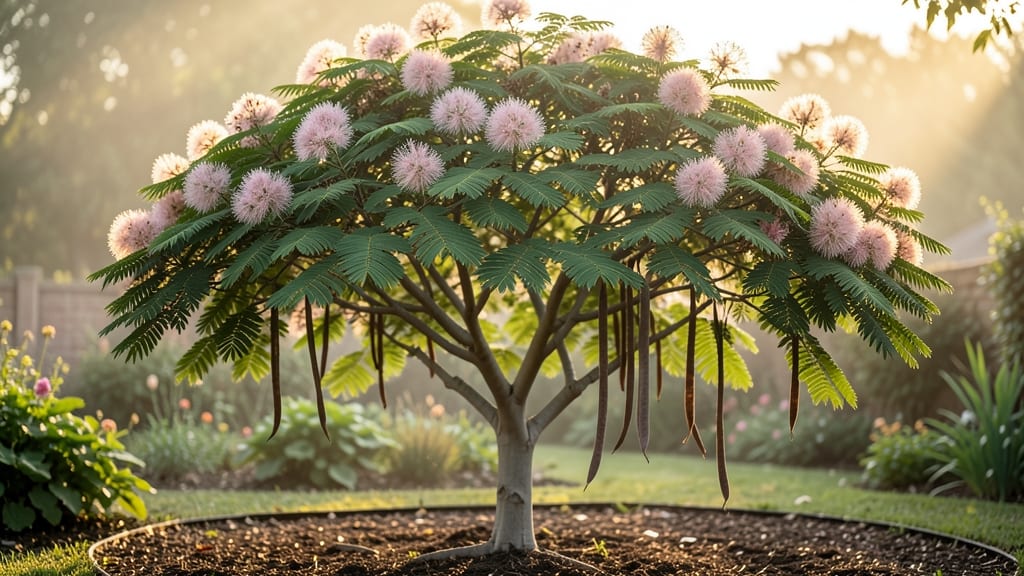
Persian silk trees are prized for their landscape uses, delivering fast shade coverage, water efficiency, and ecological benefits through fragrant blooms and seed pods that draw birds and butterflies. Their flexibility thrives in both city and countryside environments.
These trees shine in urban gardens and rural properties alike, thanks to their ability to thrive in poor soils and withstand drought conditions. 🌿 The fragrant flowers not only add beauty but create natural habitats for pollinators, while their rapid growth makes them perfect for quick privacy screens or windbreaks.
I've seen them transform bare yards into lush, functional spaces within just a few growing seasons.
Beyond aesthetics, their low-maintenance nature and air-purifying qualities make them a smart choice for eco-conscious landscaping. The seed pods provide winter interest while feeding wildlife, creating a year-round ecosystem boost.
Their adaptability to various climates—from coastal areas to inland zones—means they're one of the most reliable choices for sustainable landscaping projects.
💡 In This Article
- How Persian Silk Trees Adapt to Different Climates and Soils
- Landscaping Design Ideas Using Persian Silk Trees
How Persian silk trees adapt to different climates and soils
Persian silk trees (Albizia julibrissin) thrive because of their remarkable physiological adaptations. Their deep root systems can penetrate up to 6 feet into the soil, accessing water deep underground during droughts.
The leaves have a unique compound structure with multiple leaflets that reduce water loss through transpiration by 30-40% compared to single-leafed trees, making them exceptionally drought-tolerant once established. This adaptation explains why they flourish in USDA zones 6-9, from hot desert climates to cooler inland regions.
The tree's soil flexibility stems from its ability to grow in sandy, loamy, or even clay-heavy soils, though it prefers well-draining conditions. The roots secrete enzymes that break down organic matter, allowing the tree to thrive in nutrient-poor urban soils.
In coastal areas, their salt tolerance is impressive—they can handle moderate salinity levels without significant leaf burn, making them ideal for seaside landscapes where many trees would struggle. 🌱 Their rapid growth rate (3-5 feet per year) also helps stabilize soil, preventing erosion on slopes or windy sites.
What makes these trees particularly valuable is their windbreak efficiency. When planted in rows, their dense foliage can reduce wind speeds by 40-50% at ground level, protecting gardens and structures. The feathery leaves also create a natural sound barrier, reducing noise pollution in urban environments.
Their ability to tolerate short-term cold snaps down to 10°F (though they prefer warmer climates) means they can survive unexpected freezes better than many shade trees.
For those concerned about environmental impact, Persian silk trees excel in urban heat island mitigation. Their broad canopies provide shade that can lower ground temperatures by 10-15°F during summer heatwaves, while their roots help regulate soil moisture.
The tree's nitrogen-fixing bacteria in root nodules also improve soil quality over time, reducing the need for synthetic fertilizers. This dual benefit—cooling the air while enriching the soil—makes them a dual-purpose powerhouse for sustainable landscaping.
One lesser-known adaptation is their self-pruning habit. During droughts, the tree naturally sheds lower branches to conserve water, maintaining a more compact shape without requiring human intervention. This feature reduces maintenance while keeping the tree's aesthetic appeal high.
The combination of these adaptations explains why Persian silk trees outperform many other shade trees in challenging environments, from arid desert landscapes to polluted city air.
The tree's fragrant flowers and seed pods serve dual purposes: they attract pollinators while providing food for birds and butterflies, creating a self-sustaining ecosystem. This ecological benefit extends to winter months when the seed pods remain on the tree, offering a food source when other plants have gone dormant.
The tree's ability to re-sprout from stumps after damage also ensures long-term survival, making it one of the most resilient choices for landscaping projects where reliability matters most. 🌿