
Trees
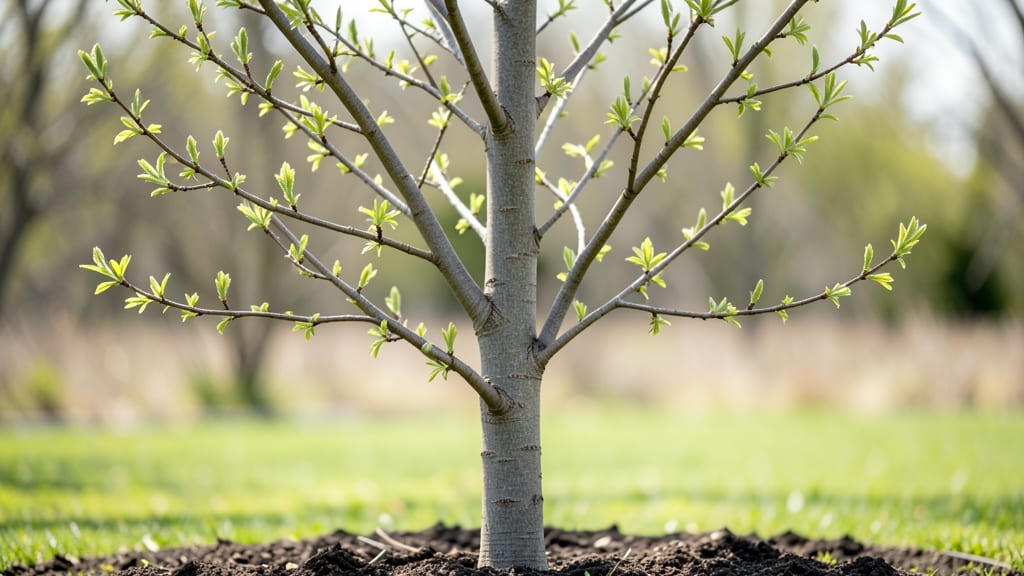
Spring is when your pecan tree’s future nut yield gets decided—pruning now sets the stage for a bumper harvest. 🌱 I’ve watched my tree go from a scraggly mess to a productive powerhouse by following a few key spring cuts, and the difference in nut production is shocking.
The right timing and technique mean fewer broken branches, better airflow, and more energy going into those sweet pecans instead of weak growth.
Start pruning when the tree is just waking up—late February to early March in most zones—but wait until after the last frost. You’ll need sharp pruners, a ladder for taller branches, and a clear day to avoid spreading disease.
The goal is to remove dead wood first, then thin out crossing branches and any that rub together. Every cut should aim at a bud or side branch to encourage strong new growth.
What you end up with is a tree that looks like a well-oiled machine, not a tangled mess. The branches spread evenly, sunlight reaches the inner canopy, and pests have fewer places to hide.
By summer, you’ll see fresh green shoots where you made cuts, and those will turn into next year’s nut-producing limbs. It’s the kind of work that feels like an investment—one that pays off in pounds of pecans.
Works for both young trees you’re shaping and mature ones you’re maintaining. Just remember: less is more—over-pruning stresses the tree and can reduce nut production. If you’re in a humid climate, a light fungicide spray after pruning helps prevent disease. Now grab those pruners and let’s get to work!
📚 In This Guide
- What you need
- Instructions
- Tips and common mistakes
- Wrapping up and next steps
What you need
- ● Pruning shears or lopers – Sharp, bypass-style shears (4-6" blade) for cuts up to ½ inch thick. Lopers (8-10" blade) for thicker branches (½–1½" diameter). Pro tip: Disinfect blades with rubbing alcohol between cuts to prevent disease spread! 💡
- ● Pruning saw – A bow saw or folding pruning saw for branches larger than 1½" in diameter. Look for a 12–16" blade with fine teeth for clean cuts.
- ● Ladder or extension pole – A sturdy aluminum or fiberglass ladder (rated for your tree’s height) or a 10–16 ft. extension pole with a pruning hook attachment for high branches.
- ● Gloves – Heavy-duty gardening gloves (leather or reinforced fabric) to protect hands from thorns and rough bark.
- ● Disposable pruning bags or trash bags – 13-gallon contractor bags (5–10 bags) to collect pruned branches and debris.
- ○ Pruning sealant (optional but recommended) – A latex-based or wound dressing (like Tanglefoot Tree Wound Pruning Seal) to coat cuts larger than ½" to prevent disease entry.
- ● Safety gear – Safety glasses and a long-sleeve shirt to protect against debris and thorns.
- ● Tree spray or fungicide – Copper fungicide (like Bonide Copper Fungicide) to treat any signs of disease or prevent fungal infections post-pruning.
- ● Marking spray or paint – Bright-colored spray paint (e.g., Fluorescent pink or yellow) to mark branches for removal before cutting.
- ● Work gloves with grip – Mechanics-style gloves for better grip on slippery branches.
- ● Hose with nozzle – To clean tools and rinse off sap or debris after pruning.
- ○ Tree growth regulator (optional) – Dormant oil spray (applied after pruning) to boost tree health during spring.
- ● Timing – Prune during late winter to early spring (just before buds swell) when the tree is still dormant but pests are less active.
- ● Weather – Choose a dry, calm day (avoid rain for 24–48 hours before/after pruning to prevent fungal growth).
- ● Tree health check – Inspect the tree for diseased, dead, or crossing branches before starting. Remove only what’s necessary!
- ● Local regulations – Check if your area requires a permit for large tree pruning (common in urban or protected zones).
Step-by-step instructions for pruning pecan trees in spring
Here's how I prepare my pecan trees for the season—timing and technique make all the difference.
⏰ Step 1: Prune at the Right Time
Wait until after the last frost but before new leaves emerge—typically late February to early April in most climates. You'll know it's time when the tree is still dormant but buds begin swelling slightly. Pruning too early risks frost damage to fresh cuts, while waiting too long encourages disease entry through open wounds.
I like to prune on a dry, sunny day when temperatures are above 40°F. The sun helps cuts dry faster, reducing rot risk. If rain is forecast within 24 hours, delay pruning until conditions improve. You'll see the buds starting to plump up—that's your cue to act.
✂️ Step 2: Remove Dead, Diseased, or Crossing Branches
Start by cutting out any dead, broken, or diseased branches—they sap energy from healthy growth. Use clean, sharp pruning shears for cuts under ½ inch diameter and a pruning saw for thicker branches. Make cuts just outside the branch collar (the swollen area where the branch meets the trunk) to promote faster healing.
Next, remove branches that cross or rub against each other. These create wounds that invite pests and disease. Look for branches growing inward—they'll never get enough sunlight to produce nuts. I always step back every few cuts to visualize the tree's shape from a distance.
☀️ Step 3: Thin the Canopy for Better Airflow
Pecan trees need open airflow to prevent fungal diseases like pecan scab. Aim to remove 10-20% of the tree's total branches, focusing on the inner canopy first. Cut back branches that are too dense or growing straight upward—these block sunlight from reaching lower limbs where nuts form.
I target branches that are less than ⅓ the diameter of the trunk for removal. These smaller branches won’t contribute much to the tree’s structure but compete for resources. You’ll notice the tree’s center becomes lighter and more open—this is critical for nut production.
🌱 Step 4: Shape for Future Growth
Encourage a balanced, vase-like shape by selectively pruning branches that disrupt this form. Remove suckers (shoots growing from the base or trunk) and water sprouts (fast-growing vertical shoots). These steal energy from nut production. Use your shears to make clean cuts at a 45-degree angle just above an outward-facing bud.
For larger branches, I make three cuts: first under the branch, then just outside the collar, and finally to remove the stub. This prevents tearing and promotes faster healing. Step back often to check the tree’s symmetry—you want a strong central leader with well-spaced branches.
💧 Step 5: Clean Up and Protect the Tree
After pruning, sterilize your tools with rubbing alcohol to prevent spreading disease. Remove all cut branches and debris from the area—they can harbor pests and fungi. I like to apply a tree sealant to larger cuts (over ½ inch diameter) to protect against moisture loss and infection.
Water the tree deeply after pruning to help it recover. Mulch the base with 2-3 inches of organic mulch, keeping it 6 inches away from the trunk to prevent rot. This protects roots and retains moisture as the tree enters active growth. You’ll see new shoots emerging within 4-6 weeks—that’s your sign the tree is healing well.
Tips & tricks for perfect spring pecan tree pruning
Timing and technique are everything when it comes to spring pruning—here's how to avoid common mistakes and get the best results.
Timing Secret: The window for pruning is narrow—between when buds start swelling and before leaves emerge. I check for plump buds (not yet open) and avoid pruning if frost is forecast. If you miss the window, wait until late spring when the tree is fully leafed out, but you'll sacrifice some nut production that season. The goal is to prune when the tree is still dormant but showing signs of waking up.
Tool Prep: Sterilize your pruning shears and saw with rubbing alcohol before you start—this prevents spreading disease between cuts. I also sharpen my tools before the season begins so they cut cleanly. Dull blades tear bark, creating larger wounds that heal more slowly. For larger branches over ½ inch, I use a pruning saw with a fine-tooth blade to avoid splintering.
Canopy Strategy: When thinning the canopy in Step 3, focus on removing branches that grow straight up—they block sunlight from reaching lower limbs where most nuts form. I aim to create a vase-like shape with an open center. This improves airflow and reduces fungal diseases like pecan scab. Remember, you're not trying to make the tree smaller—just more efficient at producing nuts.
Healing Tip: After making cuts, look for the branch collar (the swollen area where the branch meets the trunk). Make your cut just outside this collar—never flush with it. This natural barrier helps the tree heal faster. For cuts over ½ inch, I apply a tree sealant to protect against moisture loss and infection. You'll see new growth emerging from buds along the remaining branch stub within 4-6 weeks.
Pro Tips for Pecan Tree In Spring
- Timing and technique are everything when it comes to spring pruning—here's how to avoid common mistakes and get the best results.
- Timing Secret: The window for pruning is narrow—between when buds start swelling and before leaves emerge.
- Tool Prep: Sterilize your pruning shears and saw with rubbing alcohol before you start—this prevents spreading disease between cuts.
Frequently asked questions
Got questions about caring for your pecan tree in spring? You’re not alone! Here are answers to the most common concerns—whether you're a first-time grower or a seasoned enthusiast looking to optimize your harvest.
When is the best time to prune a pecan tree in spring?
Prune your pecan tree before new growth begins—typically in late winter or early spring (February to March in most U.S. zones). Avoid pruning after buds swell or during extreme weather. This timing promotes healthy growth and maximizes nut production. Pro tip: Wait until the ground thaws to reduce stress on the tree.
How much can I prune off a young pecan tree?
For young trees (under 5 years old), remove no more than 20-25% of the foliage per year. Focus on dead, diseased, or crossing branches. Over-pruning can weaken the tree and reduce flowering. Pro tip: Use sharp tools and make cuts just outside the branch collar for faster healing.
What pests should I watch for in spring?
Spring brings aphids, pecan weevils, and tent caterpillars. Monitor for chewed leaves or sawdust-like frass. Use horticultural oil or insecticidal soap early in the season. Avoid chemical sprays during bloom to protect pollinators. Pro tip: Install pheromone traps for weevils before they lay eggs.
Can I fertilize my pecan tree in spring?
Yes! Apply a balanced fertilizer (e.g., 10-10-10) in early spring (March) when soil is workable. Follow package rates—over-fertilizing can harm roots. Test soil first to check pH and nutrient levels. Pro tip: Use slow-release granules for steady growth.
What if my pecan tree isn’t leafing out in spring?
Delayed leafing can signal drought stress, frost damage, or disease. Check for wilting, brown spots, or bark cracks. Water deeply if soil is dry and avoid pruning until new growth appears. If issues persist, consult a local arborist. Pro tip: Mulch around the base to retain moisture.
Wrapping up and next steps
Spring is the perfect time to shape your pecan tree’s future—early pruning sets the stage for healthier growth and bountiful harvests. 🌱 By removing dead wood, thinning branches, and opening the canopy, you’re not just tidying up; you’re investing in stronger roots, better air circulation, and those coveted pecans.
Whether you’re a seasoned gardener or just starting, every cut counts toward a thriving tree.
Ready to roll up your sleeves? Start with one session this spring, observe your tree’s progress, and adjust next year based on what you learn. Happy pruning—and may your future harvests be plentiful! 🌳✨