
Size
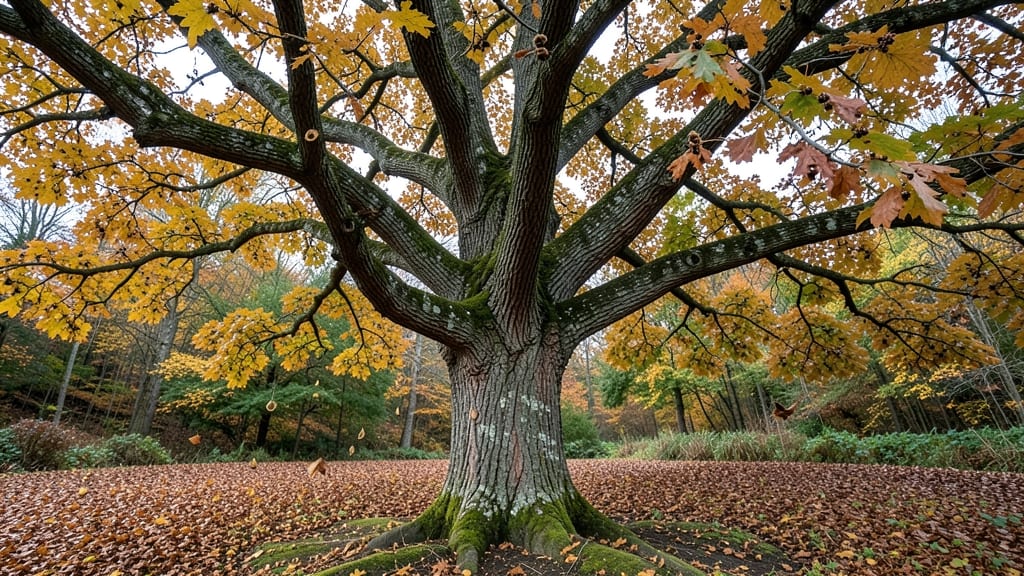
Morel mushrooms grow by specific trees like ash, apple, and elm, thriving near their roots in moist, well-drained soil with decaying wood. These fungi rely on mycorrhizal relationships with hardwood species, particularly in temperate forests after spring fires or disturbances.
Morels prefer hardwood trees that create the right conditions—think of them as nature's gourmet chefs choosing their perfect kitchen. 🌳 The key isn't just the tree species but also its health; dying or stressed trees actually produce more morels because their decaying roots release nutrients the fungi crave.
I've found the richest patches near old apple orchards and along creek banks lined with black cherry trees, where moisture and organic matter combine perfectly. These mushrooms also love disturbed areas, so look for spots where wildfires or logging have recently occurred—they're like nature's calling cards for morel hunters.
What makes this relationship special is how the fungi and trees work together. The morels help trees absorb water and nutrients while getting shelter and food in return. This partnership explains why you'll rarely find morels under conifers—they simply don't form these beneficial connections.
The best hunting grounds are typically in the spring, right after the snow melts but before the leaves fully emerge, when the soil is cool and damp.
💡 In This Article
- How Morel Mushrooms Form Symbiotic Relationships with Trees
- Best Trees for Morel Hunting: Species and Habitat Tips
How morel mushrooms form symbiotic relationships with trees
The morel mushroom's connection with trees begins with mycorrhizal fungi, a network of microscopic threads called hyphae that extend from the mushroom's cap into the soil.
These hyphae form a symbiotic relationship with tree roots, creating a mutually beneficial partnership where the fungi help trees absorb water and nutrients like phosphorus and nitrogen, while the trees provide carbohydrates through photosynthesis.
This exchange happens at the cellular level—morels can't survive without their tree partners, and vice versa. 🌱 The key is that morels specifically target hardwood trees because their root systems are more complex and nutrient-rich compared to conifers.
Certain tree species like ash, apple, and elm create perfect conditions because their roots decay slowly, releasing nutrients that morels crave. For example, a dying ash tree might produce up to 30% more morels than a healthy one because the decaying wood creates a nutrient-rich environment.
The fungi thrive in this "sweet spot" where decay is active but not yet complete—think of it like a compost pile where the perfect balance of organic matter and moisture exists. This is why you'll often find morels in areas with dead or dying trees rather than vibrant, healthy ones.
The timing of this relationship is precise. Morels typically emerge in spring when soil temperatures reach 50-60°F and ground moisture is high—right after the snow melts but before the leaves fully emerge. This window lasts about 4-6 weeks, depending on the region.
The fungi spend the rest of the year dormant, conserving energy in the tree roots until conditions are ideal again. This seasonal cycle explains why morel hunters must be patient and strategic, as the mushrooms only appear briefly each year. 🌿
What makes this partnership even more fascinating is how morels "choose" their hosts. The fungi release chemical signals that attract specific tree roots, creating a targeted connection. For instance, morels growing near apple trees will often form clusters because the tree's root system is dense and nutrient-packed.
In contrast, sparse morel patches might indicate a less ideal host tree or soil condition. This selective process is why experienced foragers know to focus on certain tree species and habitats.
Here's what's happening under the soil surface: The morel's hyphae spread outward from the tree roots, forming a web-like structure that can extend up to 3 feet in diameter. This network allows the fungi to efficiently capture nutrients and water, while also protecting the tree from harmful pathogens.
The result is a self-sustaining ecosystem where both organisms thrive—until the tree eventually dies, at which point the morels may decline unless another host is nearby. This delicate balance explains why morel hunting often requires a deep understanding of forest ecology. ✨
One common misconception is that morels only grow under one type of tree, but in reality, they're opportunistic and will colonize multiple hosts if conditions are right. For example, in the Appalachian Mountains, you might find morels growing near both ash and tulip poplar trees within the same forest.
The key is identifying dying or stressed trees, as they release more nutrients into the soil. This is why after a wildfire or logging event, morel hunters often find bountiful patches—disturbed areas create the perfect conditions for these fungi to flourish. 🔥