
How To
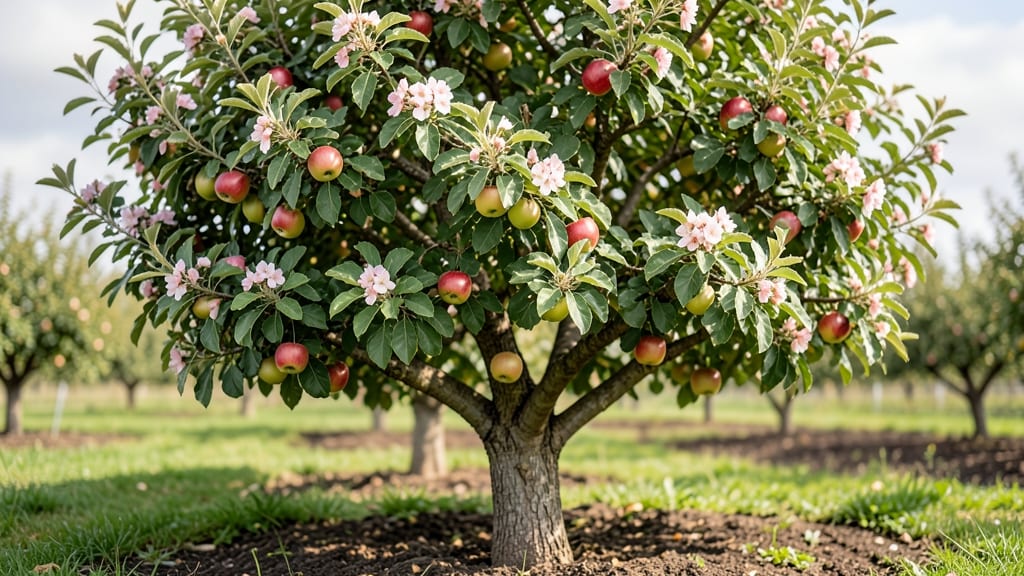
Apple trees can grow how tall does an apple tree grow to heights that range from a modest 8 feet to towering 30 feet, depending on the variety and how you care for them.
If you're dreaming of a backyard apple orchard or simply want to know how much space your new fruit tree needs, understanding apple tree heights is essential—some varieties can dwarf your expectations while others reach towering heights.
Standard varieties like Granny Smith or Golden Delicious can soar to 20-30 feet, while dwarf varieties like 'Columnar' or 'Patio' stay between 8-12 feet, perfect for small yards or containers.
In this guide, you'll discover how rootstock, pruning, and climate influence height, plus the best small-space varieties for urban gardens.


Apple tree height ranges by variety: dwarf to standard sizes explained
When planning your backyard orchard or even a single fruit tree, knowing how tall does an apple tree grow is crucial. Apple trees come in three main size categories: dwarf, semi-dwarf, and standard, each influenced by the rootstock used during propagation.
The rootstock determines not just height but also vigor, disease resistance, and fruit production potential.
Standard apple trees can reach 20-30 feet tall, while dwarf varieties often stay under 8 feet. Semi-dwarf trees bridge the gap at 12-18 feet.
Your choice depends on available space, desired yield, and maintenance preferences. For urban gardens, dwarf varieties are ideal, while rural properties can accommodate larger standard trees.
Here’s how rootstock directly impacts mature height and why it matters for your garden layout:
For example, the Gala apple tree on M.9 rootstock will stay around 8 feet tall, perfect for a patio container. But the same Gala variety grafted onto seedling rootstock could grow to 25 feet, requiring a spacious yard. Always check the rootstock when purchasing to avoid surprises.
Popular dwarf apple varieties like Columnar apples (e.g., Urban Apple) grow vertically to just 6-8 feet, making them ideal for narrow spaces. These varieties produce fruit along the entire trunk, maximizing yield in limited space.
Semi-dwarf varieties like Honeycrisp offer a balance, reaching 15 feet while remaining manageable for most homeowners.
Standard apple trees, such as Granny Smith or Fuji on seedling rootstock, require 20+ feet of vertical space and 15+ feet of horizontal spread. These trees need careful planning for pruning and harvesting, but they produce larger fruit yields and can live for decades with proper care.
If you love the idea of a classic orchard but lack space, consider espalier training to grow standard varieties against a fence or wall.
Another key factor is growth rate. Dwarf trees may reach maturity in 3-5 years, while standard trees can take 8-10 years to bear significant fruit. This timeline affects your long-term planning, especially if you’re eager to enjoy homegrown apples.
For instance, a dwarf Fuji might produce its first harvest in year 4, whereas a standard Red Delicious could take twice as long.
When selecting a tree, also consider canopy shape. Some varieties, like Liberty apples, have upright growth habits and fit well in tight spaces, while others like Golden Delicious spread wider. Always research the specific cultivar and rootstock combination, as these details dictate both height and care requirements.
Pro tip: If you’re unsure about spacing, plant two dwarf trees at least 8 feet apart to ensure proper airflow and sunlight penetration. For semi-dwarf trees, 12-15 feet of separation is ideal. Standard trees need 20+ feet between them to prevent overcrowding and disease.
Remember, pruning plays a huge role in managing height. Even dwarf trees can grow taller if not pruned regularly. I recommend annual pruning in late winter to shape the tree and remove dead wood, which keeps it healthy and within your desired size limits.
Factors that determine how tall your apple tree will grow
Apple trees don't grow to the same height by accident—their mature size depends on a mix of natural genetics and how you care for them. While some varieties naturally stay compact, others can reach towering heights if given the right conditions.
Understanding these factors helps you plan your garden layout and manage growth effectively.
The most critical factor is the rootstock used when grafting your apple tree. Dwarf rootstocks like M.9 keep trees between 8-12 feet, while semi-dwarf rootstocks like MM.106 produce trees reaching 12-18 feet. Standard rootstocks allow trees to grow their full 20-30 feet potential without intervention.
- 1. Rootstock Type: Determines 50-70% of final height (dwarf vs. standard).
- 2. Sunlight Exposure: 6+ hours daily maximizes growth; partial shade stunts height.
- 3. Soil Quality: Nutrient-rich, well-draining soil promotes 20-30% faster vertical growth.
- 4. Pruning Techniques: Regular structural pruning controls height by removing upward-growing branches.
- 5. Climate Zone: Trees in USDA Zones 5-8 grow 10-15% taller than those in cooler zones.
- 6. Watering Practices: Consistent deep watering supports stronger trunk development.
Your local climate zone plays a surprising role in height development. Apple trees in warmer climates (Zones 7-9) often grow taller because they experience longer growing seasons. In contrast, trees in cooler zones (Zones 3-5) may stay slightly shorter due to shorter vegetative periods.
For example, a Granny Smith on MM.111 rootstock might reach 18 feet in California but only 15 feet in Michigan.
Don't underestimate the power of pruning techniques—this is how you actively control height. I recommend using the open-center method for dwarf trees, which involves removing 30-40% of vertical growth annually. For standard trees, crown thinning every 2-3 years prevents excessive height while maintaining fruit production.
Remember, pruning in late winter (just before buds swell) gives you the best control over vertical growth patterns.
Even with ideal conditions, soil quality can make or break your apple tree's height potential. Conduct a soil test before planting—aim for a pH between 6.0-7.0 and amend with organic matter like compost or well-rotted manure.
Poor soil drainage or compacted clay can stunt root development, limiting how tall your tree ultimately grows. I've seen trees on the same rootstock grow 3 feet taller in loamy soil compared to sandy or rocky soil.
For urban gardeners or those with limited space, consider container-growing options. Dwarf varieties like 'Columnar' apples can be kept under 10 feet with proper root pruning and regular repotting.
Just ensure your container is at least 24 inches deep and has drainage holes to prevent root-bound stress, which can actually increase vertical growth as the tree compensates for restricted roots.