
Pruning
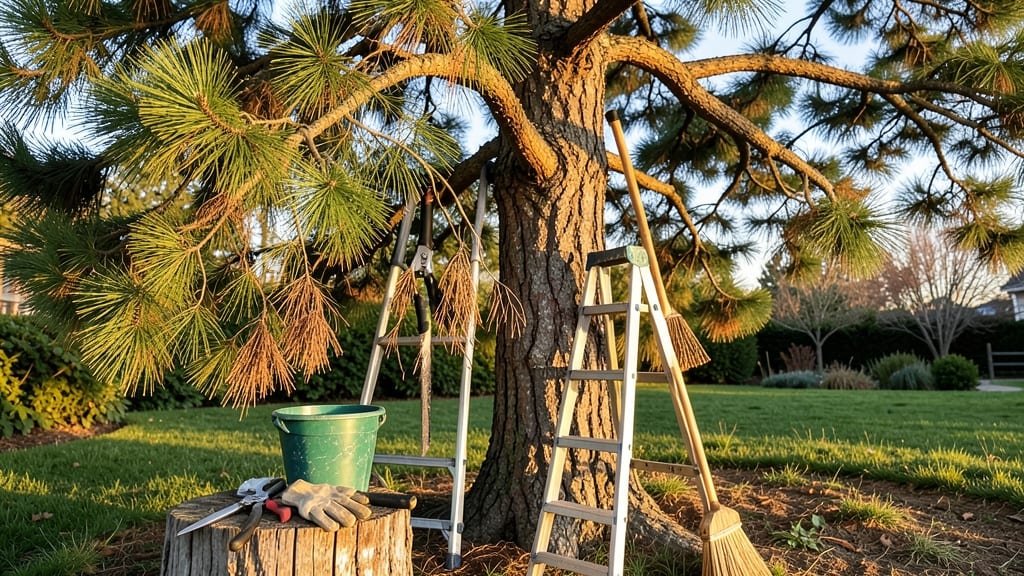
Your pine tree’s dead branches aren’t just unsightly—they’re a warning sign. 🌲 The good news? With three targeted cuts, you can revive your tree’s health and stop further damage before it spreads.
I’ve pruned dozens of pines, and these cuts make all the difference between a struggling tree and one that thrives for years.
Dead branches happen for reasons like disease, pests, or environmental stress—but the fix is simple. Look for branches that are dry, brittle, or discolored (brown instead of green). These are the ones to remove first.
The key is timing: prune in late winter or early spring when the tree isn’t actively growing, and always use clean, sharp pruners to avoid tearing the bark.
After cutting, your tree will bounce back faster with fewer pests and better airflow. You’ll notice new growth within a few weeks, and the remaining branches will stay healthier longer. Just avoid over-pruning—never remove more than 25% of the tree’s foliage at once, or you’ll stress it out.
If you’re unsure whether a branch is dead or just dormant, wait until spring to prune. And if your tree has large, high branches or signs of serious disease, it’s time to call a professional arborist. Your pine will thank you for the care—and so will your yard’s curb appeal.
Understanding Dead Branch Triggers
Dead branches on pine trees don’t just happen—they’re often a sign of stress, disease, or environmental strain. Let’s break down the key reasons your pine’s branches are turning brown, brittle, or falling off, so you can diagnose the issue and take action.
Pine trees are tough, but they’re not immune to Mother Nature’s wrath. Sudden temperature swings, drought, or ice storms can shock the tree’s vascular system, cutting off nutrients and water to branches. Here’s how it plays out:
- Freeze Damage: When temperatures drop below 20°F (-7°C), pine needles (and branches) can suffer cold injury. The symptoms?
Needles turn grayish-brown and stay attached—even after thawing—while the branch itself may appear dry and hollow when tapped. - Heat Stress: Prolonged drought or high heat (above 90°F/32°C) forces pines to shut down stomata (pores) to conserve water.
Without moisture, branch tips die back, starting from the ends and moving inward. - Wind & Ice: Heavy snow or ice accumulation can snap branches by sheer weight, while high winds abrasion (sandblasting effect) weakens bark, making branches susceptible to fungal infections later.
💡 Pro Tip: If your area has unpredictable weather, mulch around the base (2–4 inches deep) to regulate soil temperature and retain moisture. Water deeply once a week during droughts to support recovery.
Pine trees are a buffet for fungi, beetles, and borers, all of which can kill branches from the inside out. Here’s how to spot the culprits:
| Cause | Symptoms | How It Spreads |
|---|---|---|
| Diplodia Tip Blight | Brown, shriveled needles at branch tips; resin oozing from cracks. | Fungal spores spread via rain/splash. |
| White Pine Weevil | Flagging (sudden browning of top branches); sawdust-like frass. | Larvae bore into terminal shoots. |
| Beetle Borers | D-shaped exit holes; sap oozing; frass (sawdust) under bark. | Adults lay eggs in stressed/cut trees. |
| Armillaria Root Rot | Mushrooms at base; brittle, honey-colored wood; tree declines slowly. | Fungal mycelium spreads through roots. |
⚠️ Warning Sign: If you see sawdust-like frass or honey-colored sap, the branch is already dead—prune it immediately to stop the spread.
Over-pruning, wrong cuts, or timing mistakes can stress pines into shedding branches.
Common mistakes include: - Topping the Tree: Cutting the main leader (top branch) removes the tree’s growth hormone source, causing sprout clusters that die back. - Improper Cuts: Leaving stubs (more than ¼ inch) invites rot and disease.
Always cut just outside the branch collar. - Pruning in Late Summer/Fall: Pines bleed sap when cut in late summer, increasing disease risk. Best time to prune: Late winter/early spring (before new growth).
🔪 Fix It: Use clean, sharp pruners and make angled cuts to avoid tearing bark. If you’ve over-pruned, fertilize with slow-release nitrogen to help recovery.
Pines thrive in acidic, well-draining soil (pH 4.5–6.0). If the soil is too alkaline, compacted, or lacking nutrients, branches suffer:
- Iron/Nitrogen Deficiency: Leads to yellowing needles (chlorosis) and weak, dying branches. Common in alkaline soils (pH >7.0). - Magnesium Deficiency: Causes brown bands on needles, then branch dieback.
Often seen in sandy or over-fertilized soils. - Root Compaction: Prevents oxygen/water uptake, causing branch tips to brown. Check for hard, packed soil near the base.
💡 Solution: Test your soil (DIY kits cost ~$20) and amend with:
- Sulfur (for alkaline soil)
- Pine-specific fertilizer (high in nitrogen, low in phosphorus)
- Organic mulch (pine bark or straw) to improve drainage
Sometimes, accidents or neglect are the real villains:
- Lawnmower/Weed Whacker Trauma: Girdling (ringing the trunk with cuts) strangles the tree by severing phloem (food transport tissue).
- String/Stakes: Too-tight ties can indent bark, blocking nutrient flow.
- Construction Vibrations: Heavy machinery near roots can disrupt water uptake, leading to sudden branch death.
✨ Prevention: Keep 3-foot clearance around the trunk, use flexible ties for young trees, and avoid power tools near the base.
Not all dead branches are bad news—some are part of the pine’s life cycle: - Older Branches: Pines self-prune by dropping inner, shaded branches as they mature.
These are hollow, gray, and brittle. - Seed Cone Stress: Heavy pinecone production drains energy, causing temporary branch dieback (especially in young trees). - Genetic Weakness: Some pine varieties (like Scotch Pine) are prone to branch dieback due to weak wood structure.
🔍 How to Tell: If the branch is completely dry, hollow, and falls easily, it’s likely naturally dead—no need to panic. Focus on removing only the dead parts to keep the tree healthy.
Reviving Your Pine Tree Step-by-Step
Now that you understand why your pine tree’s branches are dying, it’s time to take action! The good news? With the right approach, you can nurse your tree back to health—or at least prevent further damage.
Below are practical, step-by-step solutions tailored to the most common causes of dead branches in pine trees, plus prevention tips to keep your tree thriving long-term.
Fungal diseases like dothistroma needle blight or armillaria root rot can turn your pine’s branches brittle and brown. Here’s how to fight back:
🍳 Step 1: Identify and Remove Infected Branches
- Look for: Yellowing needles that turn brown and fall off, black streaks on branches, or mushrooms at the base.
- Cut it out: Use sterilized pruning shears (wipe with rubbing alcohol between cuts) to remove affected branches 6–12 inches below the damage.
This prevents spores from spreading. - Bag it up: Place infected branches in a sealed plastic bag and dispose of them in the trash (not your compost bin).
👨🍳 Step 2: Improve Airflow and Drainage
Fungi thrive in wet, crowded conditions. To break their cycle:
- Thin the canopy: Prune to open up the tree’s interior, allowing sunlight and air to circulate.
- Check the soil: Pines hate soggy roots.
Ensure the planting area has well-draining soil (add sand or gravel if needed). - Water wisely: Water deeply once or twice a week (depending on climate) but avoid overhead sprinkling, which keeps needles damp.
🌡️ Step 3: Apply Fungicide (If Necessary)
For severe infections, a copper-based fungicide (like Copper Sulfate) can help. Follow these steps:
- Spray in early morning on a calm day (wind can spread spores).
- Reapply every 2–4 weeks during the growing season (spring to fall).
- Pro tip: 💡 Mix 1 tbsp baking soda + 1 tsp dish soap + 1 gallon water as a low-toxicity alternative for mild cases.
✨ Prevention Tip:
- Choose resistant varieties: Some pines (like Pinus sylvestris or Pinus strobus) are less prone to fungal diseases. Check with your local nursery.
- Mulch properly: Use pine straw or wood chips (not thick layers) to keep the base dry.
Pines are slow growers—aggressive pruning or environmental stress (drought, extreme heat) can shock them into dropping branches. Here’s how to help:
🔪 Step 1: Stop Pruning for Now - Wait until spring or fall to prune again.
Avoid cutting in summer heat or winter frost, which stresses the tree. - Focus on small cuts: Only remove dead or dying branches—never more than 25% of the tree’s canopy at once.
🌱 Step 2: Boost Hydration and Nutrition
- Water deeply: Pines have deep roots—water slowly at the base (1–2 inches per week) rather than frequent shallow watering.
- Fertilize lightly: Use a slow-release, acidic fertilizer (like 10-10-10 or pine-specific formula) in early spring.
Avoid overdoing it—too much nitrogen can weaken the tree.
🌡️ Step 3: Shield from Stressors
- Mulch correctly: Spread 2–3 inches of mulch (wood chips or pine straw) 3–4 inches away from the trunk to retain moisture.
- Protect from wind: If your tree is in a windy area, consider a windbreak (like a fence or other trees) to prevent physical damage.
- Avoid compacted soil: If the ground around the tree is hard, aerate with a garden fork to help roots breathe.
🎯 Prevention Tip:
- Prune strategically: Always cut just outside the branch collar (the swollen area where the branch meets the trunk) to promote faster healing.
- Monitor for pests: Stress weakens trees—keep an eye out for pine bark beetles or sawflies, which exploit stressed pines.
Cold snaps, winter burn, or salt spray (common in coastal areas) can dry out pine needles, leading to dead branches. Here’s how to revive them:
🌿 Step 1: Assess the Damage
- Winter burn looks like brown, crispy needles (often on the south or west side of the tree).
Unlike disease, the branches themselves are still alive—just the needles are toast. - Frost cracks: If you see deep splits in the trunk, the tree may need wound dressing (like tree sealant) to prevent infection.
💧 Step 2: Hydrate and Protect
- Water in late fall or early spring: Even dormant trees need moisture to recover.
- Apply anti-desiccant spray: Products like Wilt-Pruf create a protective film on needles to reduce moisture loss in winter.
- Avoid salty soils: If your tree is near a road, rinse the soil with fresh water to remove salt buildup.
🌱 Step 3: Encourage New Needles
- Fertilize in spring: Use a low-nitrogen, high-phosphorus fertilizer to stimulate root and needle growth.
- Pro tip: 🔥 Foliar spray with seaweed extract can help stressed pines bounce back faster.
✨ Prevention Tip:
- Plant in the right spot: Avoid areas with reflected heat (like black asphalt) or strong winter winds.
- Group pines together: Planting multiple pines creates a microclimate that retains moisture and reduces frost damage.
Pests like pine beetles, sawflies, or spider mites can kill branches quickly. Here’s how to evict them:
🔍 Step 1: Identify the Pest
| Pest | Signs of Damage | What to Do |
|---|---|---|
| Pine Bark Beetle | Sawdust-like frass, D-shaped holes, wilted needles | Remove and burn infested branches immediately. |
| Sawfly Larvae | Webbing, chewed needles, frass on branches | Spray with Bt (Bacillus thuringiensis) or neem oil. |
| Spider Mites | Tiny webs, yellow stippling on needles | Spray with soapy water or horticultural oil. |
🛡️ Step 2: Treat the Tree
- For beetles: Bore-resistant pines (like Ponderosa or Jack Pine) are less attractive.
If infested, call an arborist—severe cases may require tree removal. - For sawflies/mites: Spray in early morning when pests are active. Reapply every 7–10 days until they’re gone.
🌡️ Step 3: Strengthen the Tree’s Defenses
- Keep the tree healthy: Well-watered, fertilized pines are less appealing to pests.
- Invite predators: Ladybugs and lacewings eat spider mites—plant companion flowers (like marigolds) nearby to attract them.
🎯 Prevention Tip:
- Inspect regularly: Check for new holes, frass, or needle loss every 2–3 months during growing season.
- Avoid over-fertilizing: Too much nitrogen makes pines more vulnerable to beetles.
- Prune at the right time: Late winter/early spring (just before new growth) is ideal for pines.
- Use sharp tools: Dull shears crush branches, slowing healing. Sharpen your pruners before each use.
- Don’t top the tree: Removing the top (like a "
Frequently asked questions about pine tree dead branches
How can I tell if a pine branch is truly dead?
Gently scratch the bark—if it’s brown and dry underneath, the branch is dead. Tap it with a tool: a hollow sound means no life remains. Live branches will have green needles (even if sparse) and feel firm when squeezed. Remove any branches that snap easily or have no green tissue.
Is it safe to prune dead branches in winter?
Yes, winter is actually the best time to prune pine trees! Since pines are dormant, you won’t stress them by cutting. Just avoid pruning during freezing temperatures (below 20°F/-7°C
What should I do if my pine tree has sawdust-like debris?
That’s likely frass from pine bark beetles! These pests tunnel inside branches, killing them from within. Prune and burn or bag the infected branches immediately (don’t compost them). For severe cases, contact an arborist—some infestations require professional treatment to save the tree.
Will removing dead branches help my pine tree grow better?
Pruning dead branches reduces stress on the tree by improving airflow and preventing disease spread. It also allows energy to focus on healthy growth. Just avoid removing more than 25% of the canopy at once—pines are sensitive to over-pruning.
Can I use regular scissors to trim pine branches?
No—always use clean, sharp pruning shears or a pruning saw for thicker branches. Dull tools crush branches, causing damage that invites rot. Sterilize your tools with rubbing alcohol between cuts to prevent spreading disease from one branch to another.