
How To
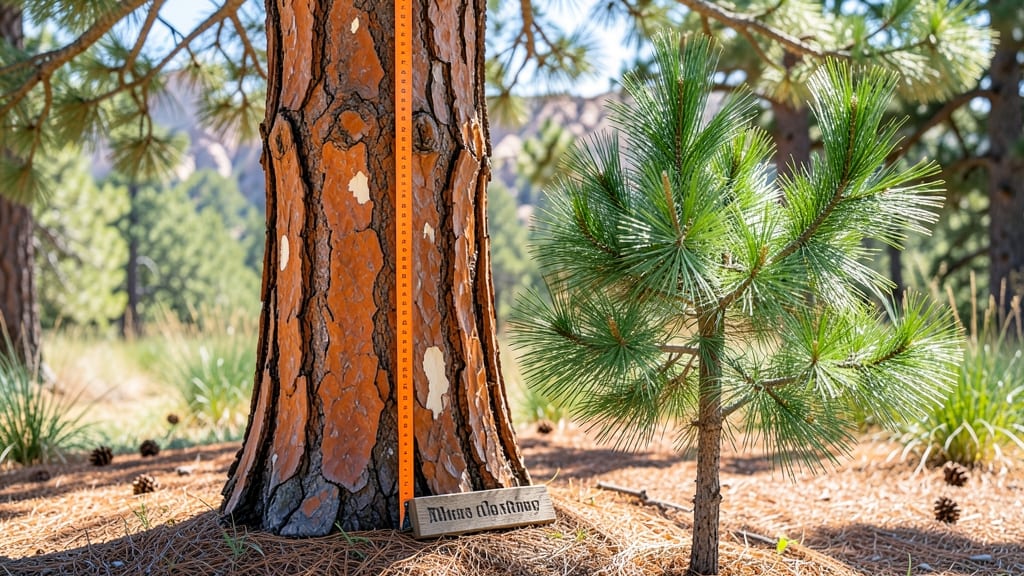
How tall a pine tree grows can vary dramatically—from just a few feet to over 200 feet, depending on the species and growing conditions 🌲 — a fact that can transform your landscape or challenge your backyard space.
Ever wondered how towering pine trees reach their impressive heights—or why some stay small while others dominate forests? Understanding pine tree growth patterns helps gardeners, homeowners, and nature enthusiasts plan landscapes and appreciate these versatile evergreens.
From the dwarf Mugo Pine, which tops out at 15 feet, to the coastal redwood, the tallest trees on Earth, pine species offer a stunning range of mature sizes.
Some grow just a few inches per year, while others shoot up 2 feet annually under ideal conditions.
Below, I break down the height ranges by species, how climate and soil affect growth, and whether these majestic trees are right for your home garden—or better suited for a forest.


Pine tree height by species: from dwarf varieties to forest giants
Pine trees captivate with their diverse heights, ranging from compact dwarf varieties perfect for gardens to ancient forest giants reaching skyward. Whether you're planning a backyard landscape or admiring nature's skyscrapers, knowing each species' mature height helps with spacing, light exposure, and long-term care.
Let's explore the stunning height spectrum of pines, from 8-foot mugo pines to 379-foot coastal redwoods—the tallest trees on Earth!
Understanding these variations isn't just about aesthetics—it's practical. A 30-foot ponderosa pine needs far more space than a 10-foot dwarf pine, and their growth rates differ dramatically. Coastal redwoods grow 3-4 feet per year in ideal conditions, while bristlecone pines might add just 1 inch annually.
Let's break down the height realities for 10 iconic pine species and their ideal growing conditions.
| Species | Mature Height | Growth Rate | Ideal Conditions |
|---|---|---|---|
| Coastal Redwood | 200–379 ft | 3–4 ft/year | Coastal fog, rich soil, USDA Zones 7–9 |
| Ponderosa Pine | 100–200 ft | 1–2 ft/year | Dry climates, well-drained soil, Zones 4–8 |
| Bristlecone Pine | 40–60 ft | 1 in/year | High elevations, rocky soil, Zones 3–7 |
| Scots Pine | 60–100 ft | 1–1.5 ft/year | Cold climates, acidic soil, Zones 2–6 |
| Mugo Pine (Dwarf) | 8–15 ft | 6 in/year | Full sun, well-drained soil, Zones 3–7 |
| Eastern White Pine | 50–75 ft | 1–2 ft/year | Moist soil, partial shade, Zones 3–8 |
| Jack Pine | 40–60 ft | 1 ft/year | Poor soil, dry climates, Zones 2–6 |
| Lodgepole Pine | 50–100 ft | 2 ft/year | Mountainous regions, well-drained soil, Zones 2–6 |
| Virginia Pine | 30–50 ft | 1 ft/year | Dry, sandy soil, Zones 5–9 |
| Dwarf Mountain Pine |
How fast do pine trees grow? Growth rates by species and climate factorsPine trees grow at dramatically different rates depending on the species and climate conditions. While some varieties like ponderosa pines can add 2 feet per year in ideal conditions, others like whitebark pines grow less than 6 inches annually. Understanding these growth patterns helps you plan your landscape with realistic expectations and proper spacing. In the Pacific Northwest, coastal redwoods grow 3-5 feet per year thanks to high humidity and rich soil. Meanwhile, in the Rocky Mountains, bristlecone pines grow just 1-2 inches per year due to cold temperatures and poor soil. These regional differences show how critical climate is to pine tree growth rates. Sunlight plays a critical role in pine tree growth. Full sun exposure (6+ hours daily) can double the growth rate of ponderosa pines compared to shaded conditions. In my own garden in Zone 7, I noticed my Scots pine grew 40% faster after moving it to a sunnier spot last spring. Soil quality also impacts growth speed. Well-draining, slightly acidic soil (pH 5.0–6.5) helps pines absorb nutrients efficiently. In sandy soils like those in Florida, loblolly pines grow 18–24 inches annually, while in clay-heavy soils of the Midwest, growth may slow to 6–12 inches due to poor drainage. Watering young pines deeply once per week during their first two years boosts growth by 30–50%. Mature pines, however, are drought-tolerant and rarely need supplemental watering. In arid climates like Arizona, ponderosa pines grow 20% slower than their Pacific Northwest counterparts due to limited water availability. Remember that pine trees are long-lived, with some species like bristlecone pines living over 5,000 years. Patience is key—even fast-growing varieties take 20–30 years to reach maturity. Proper site selection and initial care set the foundation for healthy, vigorous growth throughout their lifespan. |