
Trees
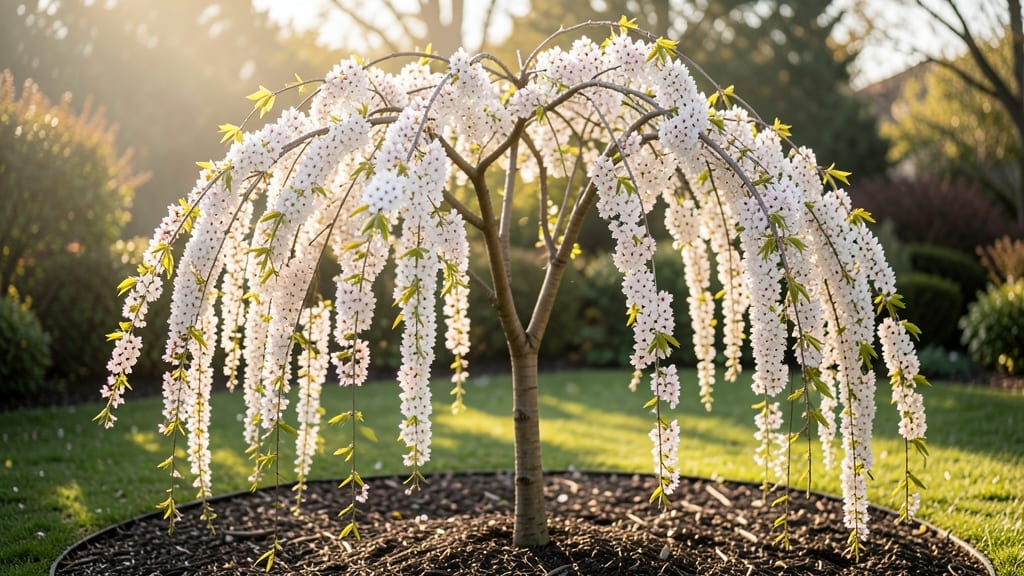
Weeping Yoshino cherry tree growth rate by age: height expectations
The Weeping Yoshino cherry tree is a breathtaking ornamental tree known for its cascading branches and delicate pink blossoms. If you're planning to add one to your landscape, understanding its growth rate by age helps set realistic expectations.
From a 3-foot sapling to a 25-foot masterpiece, this tree's journey unfolds over decades, with growth influenced by your climate zone, soil quality, and care routine.
In ideal conditions, this tree grows 12–24 inches per year during its first decade, then slows to 6–12 inches annually as it matures. Warmer climates (USDA Zones 7–9) may see faster growth, while colder regions (Zones 5–6) could experience slower early development due to shorter growing seasons.
Let’s break down the year-by-year height progression so you can visualize your tree’s future grace.
| Age (Years) | Height Range (Feet) | Annual Growth Rate | Key Growth Notes |
|---|---|---|---|
| 0–1 | 3–5 ft | 3–5 ft | Establishes roots; minimal top growth |
| 2–3 | 8–12 ft | 12–24 in/year | Rapid vertical growth; first branches form |
| 4–5 | 12–18 ft | 12–18 in/year | Canopy widens; flowering begins |
| 6–10 | 18–24 ft | 6–12 in/year | Slower growth; focuses on branch density |
| 11–15 | 20–25 ft | 3–6 in/year | Mature height reached; minimal vertical growth |
| 16–25 | 25–30 ft | 1–3 in/year | Full maturity; focuses on flower production |
During the first 3 years, your Weeping Yoshino will prioritize root development, so don’t be surprised if top growth feels modest. By year 4 or 5, you’ll notice a surge in height, with branches beginning to weep dramatically.
This is when the tree’s signature cascading form starts to take shape, making it a stunning focal point in your landscape.
After 10 years, growth slows significantly as the tree shifts energy toward flower production and maintaining its existing structure. In USDA Zone 7 or warmer, you might see slightly faster growth, especially if the tree receives consistent moisture and well-draining soil.
In contrast, colder zones (like Zone 5) may experience delayed flowering until the tree is at least 10–15 years old.
To encourage faster growth, focus on these key factors: full sun exposure (6+ hours daily), regular deep watering (especially in the first 2 years), and annual fertilization with a balanced 10-10-10 formula in early spring.
Avoid over-pruning young trees, as this can stunt their development. With the right care, your Weeping Yoshino could reach its full 25-foot height in as little as 15 years.
If you’re planting in a smaller landscape, consider spacing your tree at least 15–20 feet from structures to accommodate its mature spread. The weeping branches can extend 10–15 feet outward, so plan accordingly to avoid future crowding. Regular pruning to remove dead
How climate zones affect Weeping Yoshino cherry tree growth speed
The Weeping Yoshino cherry tree thrives in diverse climates, but its growth speed varies dramatically depending on your USDA hardiness zone. In colder zones like Zone 5, expect slower early development due to shorter growing seasons, while warmer zones like Zone 8+ accelerate flowering and canopy spread.
Understanding these differences helps you set realistic expectations and plan for winter protection when needed.
For example, a young tree in Zone 5 might grow just 6 inches per year in its first few years, while the same tree in Zone 8 could double that growth rate.
The key difference lies in frost-free days—warmer climates allow longer active growing periods, while colder zones force dormancy earlier in the season.
| USDA Zone | Avg. Annual Growth (First 5 Years) | Flowering Age | Winter Hardiness Tip |
|---|---|---|---|
| Zone 5 | 6–12 inches | 7–10 years | Use tree wrap and mulch heavily (4–6 inches) |
| Zone 6 | 12–18 inches | 5–8 years | Apply anti-desiccant spray before winter |
| Zone 7 | 18–24 inches | 4–6 years | Mulch 3–4 inches around base |
| Zone 8+ | 24–36 inches | 3–5 years | Minimal winter care needed |
In Zone 5, where winters are harsh, young trees benefit from circulation-pruned branches to reduce ice damage. Meanwhile, Zone 8+ gardeners can enjoy earlier flowering—sometimes as early as 3 years—thanks to milder winters. The trade-off? Warmer zones may see pests like aphids thrive year-round, requiring vigilant monitoring.
Soil type also interacts with climate—sandy soils in Zone 8 dry out faster, while clay soils in Zone 5 stay damp longer. Amend your soil with compost to balance moisture retention and drainage, regardless of zone. This adjustment helps mitigate climate-related stress on your tree’s roots.
If you’re in a transition zone (e.g., Zone 6b), expect growth patterns to blend characteristics of both cooler and warmer climates. For instance, your tree might flower at 6 years old but still need light winter protection during occasional frost events.
Always check your microclimate—urban areas can be 2–5°F warmer than rural zones, accelerating growth.
Protecting your Weeping Yoshino in colder zones doesn’t mean sacrificing beauty—it’s about strategic planning. With the right care, even slower-growing trees in Zone 5 can reach their 20–30 ft mature height within 20–25 years, just like their faster-growing counterparts in warmer climates. 🌸