
Pests and Diseases
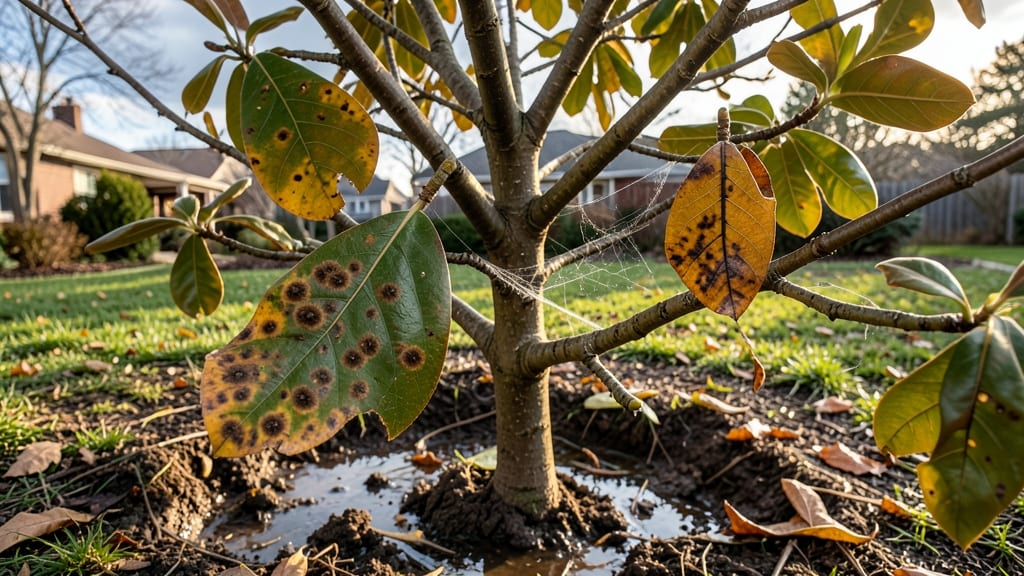
When your magnolia tree’s leaves turn brown and fall off, it’s not just an aesthetic issue—it’s a warning sign that your tree needs urgent attention. 🌿 I’ve seen this happen with anthracnose, a fungal blight that thrives in damp spring weather, but it could also be environmental stress or pests mimicking the symptoms.
The good news? Most cases respond to targeted action before the tree loses its entire canopy.
Start by checking for black spots on the undersides of leaves or puffy gray mold on stems—classic anthracnose signs. If the soil feels soggy after rain, that’s your first clue. Other culprits include spider mites (tiny webs on leaves) or nutrient deficiencies (yellowing between veins).
Prune affected branches 6 inches below the damage, sterilize your tools, and improve airflow around the tree.
For organic treatment, mix 1 tablespoon baking soda + 1 teaspoon horticultural oil in a gallon of water, spray weekly until new growth appears. Mulch with 3 inches of wood chips to regulate soil moisture, and water at the base—not overhead—to keep leaves dry.
With consistent care, your magnolia will bounce back by next spring, and those glossy leaves will return.
If the problem persists after two treatments or spreads to the trunk, consult a local arborist. Fall is the best time to address fungal issues before winter dormancy sets in—so don’t wait until next year’s blooms are at stake. Your magnolia’s comeback starts now.
Root Causes Behind Leaf Loss
When your magnolia’s leaves start browning and dropping prematurely, it’s often a cry for help from the tree itself. Understanding the why behind this distress is the first step toward restoring its health.
Below, we break down the most common culprits—each with a distinct scientific trigger—and how they disrupt your magnolia’s natural processes.
Fungi like Fusarium, Phytophthora, or Botryosphaeria thrive in damp, poorly ventilated conditions, attacking magnolias through wounds, roots, or even healthy tissue. These pathogens clog the tree’s vascular system (xylem), blocking water and nutrient transport.
As a result: - Wilting leaves turn brown and crispy from the edges inward (a classic sign of vascular wilt). - Dark streaks may appear in stems or branches when cut open. - Premature leaf drop occurs as the tree prioritizes survival over foliage.
Pro Tip: 🌡️ Fungal spores spread fastest in temperatures between 60–85°F (15–30°C) and high humidity. Prune infected branches before spores mature (early morning) and sterilize tools with 70% rubbing alcohol to prevent cross-contamination.
Magnolias are shade-loving trees, but intense heat, drought, or sudden temperature swings can overwhelm them.
When stress hits: - Leaf scorch occurs as edges brown and curl—a physiological response to water loss (transpiration exceeds uptake). - Sunburn (yes, trees get it!) causes bleached or necrotic patches on leaves exposed to harsh afternoon sun. - Cold damage (below 10°F/-12°C) disrupts cell membranes, leading to brown, mushy leaves that fall quickly.
Actionable Fix: 💡 Mulch heavily (3–4 inches of organic mulch) to retain moisture and regulate soil temperature. Drip irrigation in dry spells mimics natural rainfall, reducing stress.
Not all leaf loss is disease-related—pests like lace bugs, scale insects, or spider mites drain sap, causing:
- Yellowing between leaf veins (from mites or lace bugs).
- Sticky residue (honeydew) on leaves, followed by sooty mold (a black fungal growth).
- Premature defoliation as the tree conserves energy.
🔥 Key Identifier: Check the underside of leaves for tiny eggs, webbing, or tiny black/brown pests. Neem oil (1–2% solution) disrupts their life cycle without harming beneficial insects.
Healthy roots = healthy leaves. If your magnolia’s roots struggle, the tree can’t support its canopy.
Common soil-related triggers: - Compacted or waterlogged soil: Roots suffocate, starving the tree of oxygen and nutrients. Brown, wilting leaves follow as the tree’s gas exchange (respiration) slows. - Nutrient deficiencies: Magnolias need iron, nitrogen, and magnesium.
Yellowing between veins (chlorosis) or purple stems signal deficiencies. - Root rot (Phytophthora cinnamomi): A fungal nemesis in soggy soil, causing mushy, brown roots and sudden leaf drop.
✨ Soil Test First! A simple DIY soil test kit ($10–$20) reveals pH and nutrient levels. Aerate compacted soil with a garden fork, and amend with compost or sulfur to adjust pH if needed.
Over-fertilizing or using harsh chemicals (like salt-based de-icers or broadleaf herbicides) can burn roots and foliage. Symptoms include:
- Uniform browning (not spotty) across leaves.
- Crispy, papery edges from salt accumulation.
- Stunted new growth as the tree diverts energy to damage control.
⚠️ Avoid: Fertilizers with high phosphorus (P)—magnolias prefer low-P, high-nitrogen (N) and potassium (K) blends. Flush soil with water if you suspect chemical burn.
Quick Fixes for Magnolia Tree
Reviving your magnolia tree starts with identifying the root cause—whether it’s fungal blight, environmental stress, or pests—and taking targeted action. Below, we’ve mapped out practical, organic solutions for each common issue, along with prevention tips to keep your tree thriving. No heavy chemicals, just effective care!
If your magnolia’s leaves are covered in dark spots, brown patches, or yellowing edges, a fungal infection is likely the culprit. Here’s how to stop the spread and restore health:
🔥 Step 1: Prune Infected Branches
- 👨🍳 Remove affected foliage with sterilized pruners (wipe with rubbing alcohol between cuts).
- 🔪 Cut back to healthy tissue—about ½ inch below the last visible brown spot—to prevent spores from lingering.
- 🗑️ Bag and dispose of infected leaves (do not compost them).
🍳 Step 2: Apply a Fungicide Spray Use organic, copper-based fungicides (like copper soap or neem oil spray) for a natural defense: 1. Mix 1 tbsp neem oil + 1 tsp mild dish soap + 1 quart water in a spray bottle.
- Apply early morning or late evening (avoid direct sunlight) to both upper and lower leaf surfaces.
- Reapply every 7–10 days until new growth appears.
🌡️ Step 3: Improve Airflow & Reduce Moisture Fungi love damp, stagnant conditions.
To break the cycle: - 🌬️ Thin out dense branches to allow sunlight and air circulation. - 💦 Water at the base (not overhead) to keep leaves dry. - 🌧️ Avoid late-season watering—fungi thrive in cool, wet evenings.
✨ Prevention for Next Season
- 💡 Mulch properly: Keep mulch 3–4 inches away from the trunk to prevent moisture buildup.
- 🌱 Plant in well-draining soil—magnolias hate soggy roots!
- 🍃 Clean up fallen leaves in autumn to remove overwintering spores.
If leaves turn brown without spots and edges look crispy, your magnolia may be struggling with temperature extremes or poor watering habits.
💧 Step 1: Adjust Watering Practices
- 🌱 Deep water 1–2 times per week (check soil moisture—top 2 inches should be dry before watering).
- 🚫 Avoid shallow watering—magnolias need 6–12 inches of moisture penetration.
- 💦 Use drip irrigation or soaker hoses to deliver water directly to roots.
🌡️ Step 2: Protect from Temperature Shocks
- 🌳 Young trees? Wrap the trunk with burlap in winter to shield from cold winds.
- ☀️ Mature trees? Provide afternoon shade in scorching summers (use shade cloth if needed).
- 🌧️ Mulch heavily (3–4 inches of wood chips or pine straw) to regulate soil temperature.
🌿 Prevention Tips
- 🌱 Plant in the right spot: Magnolias prefer partial shade (especially in hot climates).
- 💡 Monitor soil moisture with a moisture meter—overwatering is just as harmful as drought.
- 🍂 Avoid fertilizing in extreme heat—it stresses roots further.
If you spot sticky residue (honeydew), tiny webs, or holes in leaves, pests may be the hidden enemy.
🔪 Step 1: Dislodge Pests Physically
- 🕷️ Scale insects? Scrape them off with a plastic scraper or damp cloth.
- 🕸️ Spider mites? Blast leaves with a strong hose spray to knock them off.
- 🪲 Borers? Drill holes into the trunk and inject beneficial nematodes (like Heterorhabditis bacteriophora).
🍳 Step 2: Use Natural Repellents
- 🌿 Neem oil spray (1 tbsp neem + 1 tsp soap per quart water) weekly for 3–4 weeks.
- 🍋 Horticultural oil (apply in early spring before buds swell).
- 🐝 Introduce predator insects: Ladybugs and lacewings love eating spider mites!
🎯 Prevention for Long-Term Defense
- 💡 Inspect trees regularly—catch infestations early before they spread.
- 🌳 Keep grass trimmed around the base to reduce hiding spots for pests.
- 🍂 Clean up debris in fall (pests love overwintering in leaf litter).
Even if the issue is resolved, strengthen your magnolia’s immunity with these year-round habits:
- 🍃 Feed with organic compost (or a balanced 10-10-10 fertilizer in early spring).
- 🪴 Prune in late winter (before buds swell) to encourage new, healthy growth.
- 🌧️ Test soil pH—magnolias prefer slightly acidic soil (pH 5.0–6.5).
💡 Pro Tip: If your tree is severely damaged, consult a local arborist—sometimes root issues (like root rot) need professional treatment.
With these targeted fixes, your magnolia should bounce back with lush, green leaves in no time! 🌿💚
Frequently asked questions
Why do magnolia leaves turn brown in late summer?
Late summer browning often signals heat stress or leaf scorch from inconsistent watering. Magnolias struggle when temperatures exceed 90°F (32°C) without proper hydration. Check if the soil is dry 6 inches deep—if so, water deeply 2–3 times per week using drip irrigation to avoid leaf burn. Mulch with 3 inches of wood chips to retain moisture and protect roots.
Can brown magnolia leaves regrow?
Yes! If the issue is environmental stress (not disease), your magnolia can regrow healthy leaves with proper care. Prune affected branches back to live green tissue, then focus on consistent watering and balanced fertilization (use 10-10-10 fertilizer in early spring). New leaves should emerge within 4–6 weeks if the roots are healthy.
How do I tell if my magnolia has anthracnose vs. pests?
Anthracnose shows as dark, sunken spots with yellow halos on leaves, often with puffy gray mold on stems. Pests (like spider mites) cause tiny webs, stippled yellowing, or sticky honeydew. Flip leaves—anthracnose spores appear on undersides, while pests hide underneath or on new growth. Use a 10x magnifying glass for close inspection.
Should I remove all brown leaves from my magnolia?
Yes, but do it strategically. Remove only heavily infected or crispy leaves—healthy brown leaves still photosynthesize. Bag and dispose of diseased foliage (don’t compost it). For fungal issues, prune 6 inches below visible damage to prevent spore spread. Sterilize tools with 70% rubbing alcohol between cuts to avoid cross-contamination.
Will my magnolia survive if most leaves fall?
Mature magnolias can survive 50% leaf loss if the roots are healthy, but severe defoliation weakens the tree. Focus on root care: water deeply once weekly, mulch heavily, and avoid fertilizing until new growth appears. If more than 70% of leaves fall or the trunk shows cracks, consult an arborist—root rot or borers may require professional treatment.