
How To
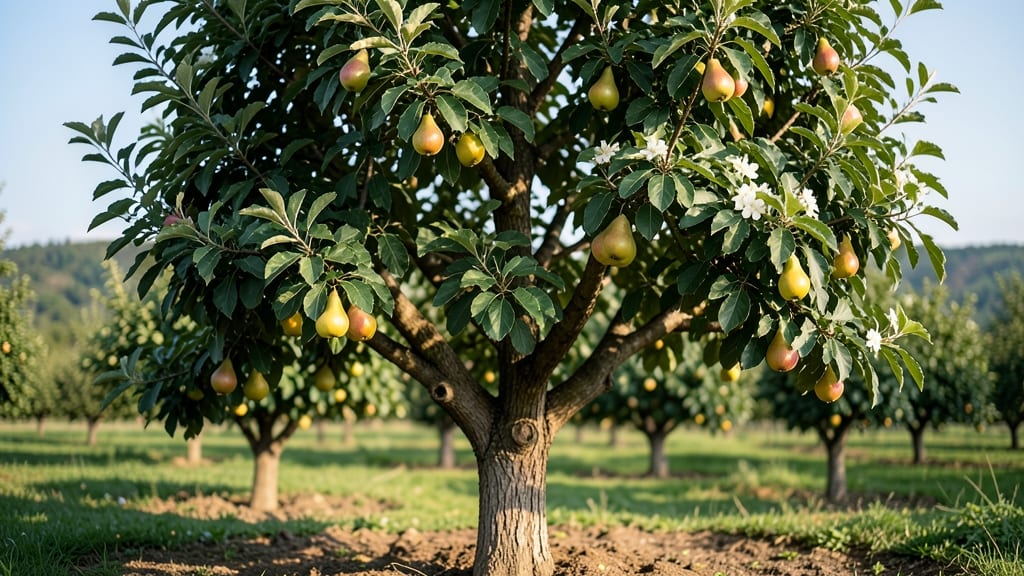
A pear tree grows how tall does a pear tree grow anywhere from 8 feet to over 50 feet, depending on the variety and care you give it—so your backyard size matters more than you think.
Dreaming of fresh, homegrown pears but worried your yard isn’t big enough? Many varieties stay under 10 feet, making them perfect for small spaces, urban gardens, or even large containers. You don’t need acres to enjoy your own 🍐 harvest!
Dwarf varieties like 'Hood' or 'Moonglow' top out around 6 to 10 feet, while standard types can reach towering heights. The right choice depends on your space, climate, and how much pruning you’re willing to do.
In this guide, I’ll break down the best low-growing options, pruning tricks to keep them compact, and how to maximize fruit production—no matter how small your yard is.


Pear tree height guide: dwarf, semi-dwarf, and standard varieties explained
Choosing the right pear tree size can make all the difference in small yards or urban gardens. Standard varieties can tower over 20 feet, while dwarf varieties stay compact at just 6–10 feet. Understanding these differences helps you pick the perfect tree for your space and goals.
Your yard’s size and sunlight availability should guide your choice. For example, a dwarf pear tree fits neatly in a container garden or along a fence, while a semi-dwarf thrives in medium-sized backyards. Let’s break down the key differences to help you decide.
| Variety Type | Mature Height | Growth Rate (Year 1) | Maturity Time | Best For |
|---|---|---|---|---|
| Dwarf | 6–10 ft | 2–4 ft | 3–5 years | Containers, small yards, urban gardens |
| Semi-Dwarf | 10–15 ft | 4–6 ft | 5–7 years | Medium yards, patios, espalier training |
| Standard | 20–50 ft | 6–10 ft | 8–12 years | Large properties, orchards, shade trees |
Dwarf pear trees like 'Hood' or 'Moonglow' are ideal for container gardening. They reach 6–10 feet tall and produce fruit in just 3–5 years. These varieties are perfect if you live in an apartment with a balcony or a tiny backyard.
Semi-dwarf varieties, such as 'Bartlett' or 'Anjou', strike a balance with 10–15 feet of height. They’re great for medium-sized yards and can even be trained against a fence or wall using espalier techniques to save space.
Standard pear trees, like 'Seckel' or 'Kieffer', grow 20–50 feet tall and take longer to mature. They’re best suited for large properties or orchards where space isn’t a concern. These trees produce abundant fruit but require regular pruning to manage their size.
Growth rates vary by variety and care. For example, a dwarf pear tree might grow 2–4 feet in its first year, while a standard tree could reach 6–10 feet in the same time. Proper soil drainage, sunlight, and watering can accelerate growth by up to 30%.
If you’re growing pears in urban gardens, consider container training. Dwarf varieties thrive in 15–20 gallon pots with well-draining soil. Use a tree support stake to keep the tree stable as it grows, and prune regularly to encourage a compact shape.
Pruning plays a crucial role in controlling height. For dwarf trees, focus on light shaping prunes in late winter to remove dead branches and encourage fruit-bearing limbs. For semi-dwarf or standard trees, more aggressive pruning in early spring can keep them under control.
Remember, pear tree height isn’t just about space—it’s also about yield. Dwarf trees produce fewer pears than standard trees, but their convenience makes them a favorite for small-scale growers. Choose based on your space, sunlight, and how many pears you plan to harvest each year.
For urban gardeners, espalier training is a game-changer. This method flattens the tree against a wall or fence, keeping it under 10 feet while maximizing fruit production. It’s perfect for semi-dwarf varieties and adds a decorative touch to your garden.
Best low-growing pear trees for small spaces (under 10 feet)
If you love the idea of growing your own pears but have limited space, don’t worry—there are compact pear tree varieties that thrive under 10 feet tall. These space-saving options produce delicious fruit without dominating your yard.
Whether you have a small patio, urban balcony, or tight backyard, these dwarf and semi-dwarf varieties are perfect for maximizing yield in minimal space.
Choosing the right variety ensures you get high-quality fruit while keeping maintenance manageable. Many of these trees are self-pollinating, meaning you only need one tree for a bountiful harvest.
Let’s explore the top 5 low-growing pear trees that are ideal for small gardens, containers, or even espalier training along fences or walls.
📌 PROS-CONS BOX: Low-Growing Pear Trees
- 🌱 Space-efficient: Fits in small yards, containers, or urban spaces
- 🍐 High yield: Produces abundant fruit despite compact size
- 🌡️ Cold-hardy: Thrives in zones 5-8, ideal for most U.S. climates
- ✂️ Easy pruning: Minimal maintenance to keep shape and size
- 🌿 Versatile: Works in ground, containers, or espalier training
- 🌧️ Limited root space: Containers may need repotting every 3-5 years
- 🐝 Pollination needs: Some varieties require cross-pollination (check labels)
- 🍂 Shorter lifespan: Dwarf trees may produce for 10-15 years vs. 20+ for standard trees
- 🌡️ Temperature sensitivity: Extreme heat or cold can reduce fruit set
- 🪴 Container limitations: Large containers needed for long-term growth
The 'Hood' pear tree is a standout choice, reaching only 8-10 feet tall at maturity. It’s a self-pollinating variety with crisp, sweet fruit perfect for snacking or cooking.
This tree is also disease-resistant, making it low-maintenance and ideal for beginners. Plant it in well-draining soil with full sun for the best results.
For those in cooler climates, the 'Moonglow' pear tree is a fantastic option, growing to about 9 feet tall. It’s known for its golden-yellow fruit with a rich, honey-like flavor.
This variety thrives in USDA zones 5-8 and is self-fertile, meaning you won’t need a second tree for pollination. It’s also fire blight-resistant, a common issue with pears.
If you prefer a sweet, juicy pear with minimal effort, the 'Seckel' is a top pick. It grows to about 10 feet tall and produces fruit that’s small but intensely flavorful.
This variety is self-pollinating and does well in containers or espalier training, making it perfect for small spaces. Just ensure it gets at least 6 hours of sunlight daily.
Another excellent choice is the 'Kieffer' pear tree, which stays under 10 feet tall and is disease-resistant. Its fruit is crisp and aromatic, with a flavor that’s both sweet and slightly tart.
This variety is self-fertile and thrives in USDA zones 5-9, making it versatile for many climates. Prune it lightly in late winter to encourage airflow and fruit production.
To maximize your harvest, consider planting your low-growing pear tree in a large container if space is extremely limited. Use a high-quality potting mix and ensure the container has drainage holes.
Water deeply once a week during the growing season and fertilize with a balanced 10-10-10 NPK mix every 4-6 weeks in spring and summer. With the right care, these compact trees will reward you with homegrown pears for years to come.