
Trees
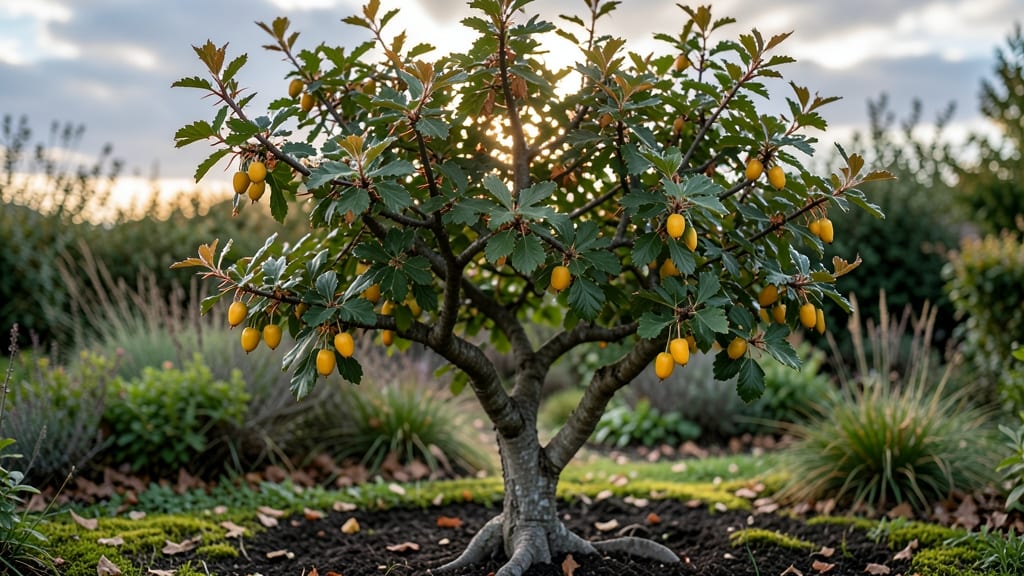
Growing a thorn tree with yellow fruit like hawthorn means year-round beauty and wildlife-friendly benefits that outlast any seasonal bloom. 🌿 I’ve nurtured these resilient trees for years, and their golden berries—though not edible raw—attract birds while adding striking color to winter landscapes.
The key to success starts with the right location and soil prep, where even beginners can thrive.
These trees flourish in USDA Zones 3-9, tolerating poor soil and drought once established. Plant in full sun with well-draining soil, and space them 15-20 feet apart to prevent overcrowding.
Prune in late winter to shape the tree and remove dead branches—this keeps the structure strong while encouraging new growth for next season’s fruit.
By late summer, you’ll spot clusters of bright yellow berries that persist through winter, offering food for wildlife and a pop of color against bare branches. The thorns might seem intimidating, but they deter deer and rabbits naturally, reducing the need for fencing or repellents.
For experienced gardeners, consider propagating cuttings in early spring or layering branches for new plants. Even in small spaces, these trees adapt well to containers with proper drainage. The real reward? A tree that rewards patience with four seasons of interest—from spring blossoms to winter berries.
Natural Triggers Behind Fruit Color
If you’ve ever spotted a thorn tree with yellow fruit and wondered why its ripeness shifts from green to golden, the answer lies in a mix of biology, climate, and tree health. Here’s why those vibrant hues appear—and sometimes don’t—when you expect them.
The most obvious catalyst for yellow fruit is sunlight exposure. When a thorn tree’s fruit matures, it relies on chlorophyll (the green pigment) to produce energy through photosynthesis.
As sugars accumulate and the fruit ripens, the tree stops producing chlorophyll in those areas. Instead, it reveals carotenoids—yellow, orange, or red pigments—giving the fruit its golden glow.
But here’s the catch: uneven sunlight can cause patchy ripening. If branches are shaded by other trees or structures, those fruits may stay green longer or develop uneven color. Actionable fix: Prune overgrown branches to ensure all fruit gets 6–8 hours of direct sunlight daily.
Temperature plays a critical role in triggering fruit ripening. Most thorn trees (like Hawthorn or Citron Thorn) need a combination of warm days and cooler nights to kickstart the ripening process.
If summers are too hot or winters too mild, the tree may skip the yellow stage entirely or produce fruit that stays green.
For example:
- Ideal ripening temp: 70–85°F (21–29°C) during the day, dropping to 50–60°F (10–15°C) at night.
- Problem zones: Tropical climates (consistent heat) or urban areas with heat islands (where pavement retains warmth).
Pro tip: If your tree is in a hot microclimate, mulch the base to regulate soil temperature and water deeply in the evening to cool the roots.
Water—too much or too little—can delay or distort fruit coloring. Thorn trees need consistent moisture (but not soggy soil) to develop properly. Here’s how imbalance affects color:
| Issue | Effect on Fruit | Solution |
|---|---|---|
| Underwatering | Fruit stays green, shriveled, or turns dull yellow. | Water 1–2 inches per week (deep soak, not frequent shallow watering). |
| Overwatering | Fruit develops uneven color (pale yellow with green patches) or rots. | Improve drainage with gravel or sand; avoid waterlogging. |
| Nitrogen excess | Leafy growth outpaces fruit ripening; fruit stays green. | Switch to a balanced 10-10-10 fertilizer or add phosphorus-rich compost. |
💡 Quick test: Gently squeeze a fruit—if it’s soft but not mushy, it’s likely just waiting for the right conditions. If it’s hard and dry, the tree may need more water or shade.
Not all yellow fruit is a sign of ripeness—sometimes, it’s a red flag. Pests like aphids, scale insects, or fungal diseases (e.g., anthracnose) can cause fruit to turn yellow prematurely or develop unsightly spots. Here’s how to spot the difference:
- Normal ripening: Even, golden-yellow color; slight softening; sweet aroma.
- Pest/disease stress: Uneven yellowing; sticky residue (aphids); black sooty mold; or fruit dropping early.
Action steps:
- Inspect leaves/fruit for bugs or lesions.
- Spray with neem oil (for pests) or copper fungicide (for disease) if needed.
- Remove infected fruit immediately to prevent spread.
Young thorn trees (under 3–5 years old) may produce smaller, slower-ripening fruit because they’re still building energy reserves. Similarly, some varieties are genetically predisposed to stay green longer (e.g., Crataegus species with thicker skins).
What you can do:
- Be patient—older trees (10+ years) often yield brighter, more abundant yellow fruit.
- Choose fast-ripening cultivars like Crataegus ambigua if you’re in a short growing season.
- Cross-pollinate nearby trees (if applicable) to boost fruit set.
Practical fixes for golden fruit trees
Revitalizing your thorny citrus tree with vibrant yellow fruit doesn’t have to be a mystery—just a few targeted tweaks can turn things around.
Below, we break down common issues (from the last section) and pair them with easy, actionable fixes, plus prevention tips to keep your tree thriving all year.
Problem: Yellowing leaves, stunted growth, or small, bitter fruit often signal a lack of key nutrients like nitrogen, potassium, or micronutrients.
How to Fix It:
- Test Your Soil 🧪 Grab a soil test kit (or send a sample to a local extension office) to identify deficiencies. Most citrus trees thrive in slightly acidic soil (pH 6.0–7.0).
- Amend the Soil 🏗️
- For nitrogen: Mix in compost, well-rotted manure, or a balanced fertilizer (10-10-10) in early spring.
- For potassium/magnesium: Sprinkle Epsom salt (magnesium sulfate) around the base (1 tbsp per gallon of water, monthly) or use wood ash for potassium.
- For micronutrients: Use a citrus-specific fertilizer (high in iron and zinc) to prevent chlorosis (yellowing between leaf veins).
- Mulch Like a Pro 🌿 Apply 2–3 inches of organic mulch (pine bark, straw, or leaves) to retain moisture and slowly release nutrients. Keep mulch 6 inches away from the trunk to avoid rot.
✨ Prevention Tip:
- Fertilize in stages: Overloading nutrients can burn roots. Split applications into 3–4 doses (spring, summer, fall).
- Water deeply but infrequently to encourage deep root growth, which absorbs nutrients better.
Problem: Too much shade or irregular watering causes small, sour fruit or leaf drop.
How to Fix It:
- Sunlight Check 🌞
- Minimum 6–8 hours of direct sun daily. If your tree is shaded, prune nearby branches or relocate it to a sunnier spot.
- South-facing exposure is ideal in the Northern Hemisphere.
- Watering Wisdom 💧 - Deep watering (1–2 inches per week): Water at the base, not the leaves, to prevent fungal diseases. - Drought stress? Give the tree a deep soak (10–15 gallons for mature trees) every 5–7 days in dry spells. - Overwatering? Let the top 2 inches of soil dry out between waterings.
Yellow leaves with brown edges = too much water.
💡 Pro Tip:
- Drip irrigation is a game-changer—it delivers water slowly and directly to roots, reducing waste and disease risk.
Problem: Insects (aphids, scale, citrus leaf miners) or fungi (citrus canker, root rot) steal nutrients and stress the tree.
How to Fix It:
| Pest/Disease | Fix | Prevention |
|---|---|---|
| Aphids/Scale | Spray with neem oil or insecticidal soap (repeat weekly). | Introduce ladybugs or parasitic wasps. |
| Citrus Leaf Miner | Prune infested leaves and treat with kaolin clay (natural barrier). | Yellow sticky traps catch adults early. |
| Root Rot | Improve drainage (raise soil level or add perlite/sand). | Avoid overwatering; plant in well-draining soil. |
| Citrus Canker | Remove infected branches (sterilize pruners with bleach). | Copper fungicide spray 2x/year. |
🔥 Emergency Fix: For severe infestations, a systemic insecticide (like imidacloprid) can be applied early in the season (follow label instructions).
Problem: Overgrowth, dead branches, or too many fruit drain the tree’s energy, leading to small, poor-quality harvests.
How to Fix It:
- When to Prune ⏰
- Best time: Late winter/early spring (before new growth).
- Avoid pruning in fall—it can stimulate new growth vulnerable to cold.
- How to Prune 🌿
- Remove:
- Dead, diseased, or crossing branches (cut at a 45° angle).
- Suckers (shoots at the base) to redirect energy to fruit.
- Thin fruit 🍊: Leave 6–8 inches between fruit to prevent overcrowding (smaller, tastier harvest).
- Remove:
- Tools Matter 🔪
- Use sterilized pruners (wipe with rubbing alcohol between cuts) to prevent disease spread.
🎯 Prevention Tip:
- Prune lightly in summer to shape the tree without stressing it before winter.
Problem: Extreme heat, cold snaps, or wind can shock the tree, causing fruit drop or leaf scorch.
How to Fix It:
- Heat Stress 🔥:
- Shade cloth (30–50%) during peak summer (100°F+).
- Mulch heavily to keep roots cool.
- Cold Damage ❄️:
- Frost cloth or row covers for young trees in winter.
- Plant near a south-facing wall for passive heat.
- Wind Protection 🌬️:
- Burlap windbreaks or plant as a hedge to shield delicate branches.
💡 Quick Fix:
- Mist leaves on hot days (early morning) to reduce heat stress temporarily.
Keep your tree on track with this simple schedule:
| Season | Task | Why It Helps |
|---|---|---|
| Spring | Fertilize + prune | Boosts growth for fruit production. |
| Summer | Deep water + pest control | Prevents heat/drought stress. |
| Fall | Light prune + mulch | Prepares tree for winter dormancy. |
| Winter | Monitor for pests + protect from frost | Avoids cold damage to new growth. |
Final Thought: Most issues with your thorny golden fruit tree boil down to soil, water, sun, or pests—and fixing them is often as simple as adjusting one habit.
Start with soil testing, deep watering, and regular inspections, and you’ll see plump, citrusy yellow fruit in no time! 🍊✨
Frequently asked questions
What are the most common types of thorn trees with yellow fruit?
The two most well-known varieties are Hawthorn (Crataegus) and Citron Thorn (Poncirus trifoliata). Hawthorn produces clusters of small, bright yellow berries that persist through winter, while Citron Thorn yields larger, more citrus-scented yellow fruit. Both are hardy and thrive in similar conditions.
Are the yellow fruits on thorn trees edible?
Most yellow fruits from thorn trees like Hawthorn are not edible raw due to their bitterness and potential toxicity. However, they're highly nutritious for wildlife and can be used to make jellies, jams, or fermented beverages with proper preparation. Always research specific varieties before consuming.
How do I protect my hands from thorns when harvesting fruit?
Wear thick gardening gloves with reinforced palms when working with thorn trees. For delicate tasks, use long-handled pruners to reach fruit without touching the thorns. If you're harvesting for wildlife, consider leaving some fruit on the tree for birds and small animals to enjoy.
Can I grow a thorn tree with yellow fruit in a container?
Yes! Many thorn trees adapt well to containers if you choose a dwarf variety and use a large pot (at least 18 inches deep) with excellent drainage. Ensure the container has drainage holes and use a well-draining potting mix. Move the pot to a sunny location and water regularly, as container-grown trees dry out faster.
Why do some thorn trees produce more yellow fruit than others?
Fruit production varies based on tree age (older trees produce more), pollination (some varieties need cross-pollination), and growing conditions. Trees in full sun with well-draining soil and regular watering tend to yield the most abundant fruit. Pruning to improve air circulation also encourages better fruit set.