
How To
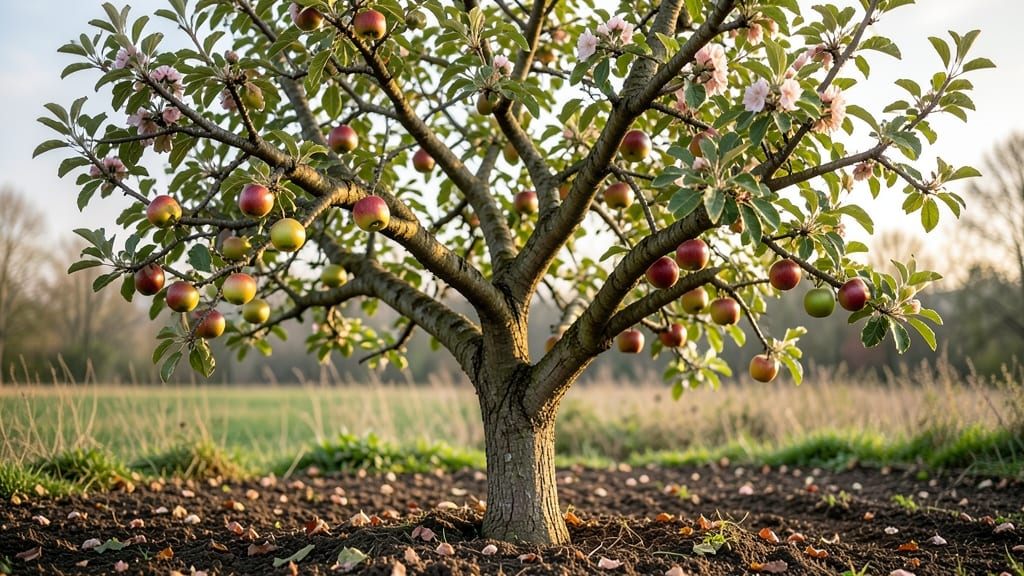
An apple tree grows between 6 feet and 30 feet tall depending on its variety, and choosing the right size for your space is the key to a thriving harvest.
If you’ve ever dreamed of picking fresh apples but worried about limited yard space, the answer lies in the tree you plant.
A dwarf variety stays compact at just 6–12 feet, while a standard tree can tower over 20 feet—making it a game-changer for small gardens or urban lots.
Beyond height, factors like soil quality, pruning habits, and even your local climate play a role in how big your tree becomes. With the right care, even a tiny yard can support a fruitful 🍎 tree that produces bushels of apples every season.
In this guide, I’ll break down the exact heights of dwarf, semi-dwarf, and standard apple trees, plus tips to keep them healthy and manageable—so you can enjoy homegrown fruit without sacrificing your lawn.


Apple tree height guide: dwarf, semi-dwarf, and standard varieties explained
Choosing an apple tree that fits your space is crucial for both aesthetics and fruit production. The height of an apple tree determines how much room you need, how often you’ll prune, and even how many apples you’ll harvest each year.
Whether you have a small urban yard or a spacious rural plot, understanding these three categories—dwarf, semi-dwarf, and standard—will help you make the best choice.
Dwarf apple trees are the smallest option, typically reaching 6 to 12 feet at maturity, making them perfect for containers, patios, or tight corners. Semi-dwarf varieties grow 12 to 16 feet, offering a balance between manageable size and higher yields.
Standard apple trees, on the other hand, can tower 20 to 30 feet tall, requiring ample space and regular pruning to keep them under control. Each type has unique growth rates and care needs, so let’s dive into the details.
Dwarf apple trees are ideal for small spaces like balconies, courtyards, or even large containers. Their compact size means you can grow multiple varieties close together, which is great for cross-pollination. For example, a ‘Columnar’ apple tree can grow just 8 feet tall but stay narrow, perfect for vertical gardening.
These trees also produce fruit 2–3 years faster than standard varieties, so you’ll enjoy apples sooner.
Semi-dwarf apple trees strike a balance between manageability and productivity. They grow faster than dwarfs but stay small enough for most home gardens. A 14-foot semi-dwarf like ‘Liberty’ can produce 150–200 pounds of apples annually while fitting in a yard with 8 feet of clearance.
These trees require moderate pruning to maintain shape and encourage airflow, reducing disease risks.
If you have ample space, a standard apple tree offers the highest yields and most traditional look. These trees can reach 25 feet tall and produce 500 pounds of fruit or more per season.
However, they need regular pruning to control height and shape, and their wide canopy requires 15+ feet of clearance. Varieties like ‘Granny Smith’ or ‘Fuji’ thrive in these sizes but demand more upkeep.
Growth rates vary by variety and care, but generally, dwarf trees take 3–5 years to bear fruit, semi-dwarfs 4–6 years, and standards 5–8 years. Pruning frequency is another key factor: dwarf trees need light shaping, semi-dwarfs require annual pruning, and standards benefit from yearly structural pruning to keep them healthy and productive.
Always prune in late winter or early spring before new growth begins.
When selecting a tree, consider your yard’s layout and sunlight exposure. Dwarf trees thrive in containers or small gardens, while semi-dwarfs work well in backyard orchards. Standard trees need open spaces and may require a support system like stakes or cables as they mature.
Additionally, ensure your tree gets 6–8 hours of full sun daily for optimal fruit production.
For urban gardeners, dwarf varieties like ‘Braeburn’ or ‘Gala’ are excellent choices, producing sweet fruit without overwhelming your space. Semi-dwarfs like ‘Honeycrisp’ offer a great compromise for those with moderate yard sizes.
If you’re dreaming of a traditional orchard experience, a standard tree like ‘Jonagold’ will deliver abundant harvests but requires more commitment to maintenance.
Best dwarf apple tree varieties for small yards and containers
If you dream of harvesting fresh apples but lack space for a full-sized tree, dwarf apple varieties are your perfect solution. These compact trees grow just 6-12 feet tall, making them ideal for patios, balconies, or small yards.
Their smaller stature doesn’t mean smaller yields—many produce high-quality fruit with proper care and pollination.
Choosing the right variety depends on your space constraints and growing conditions. Columnar varieties grow vertically, spindle types fit tight corners, and bush varieties thrive in containers. Each type requires specific pollination strategies to ensure fruit set, so let’s explore the top 5 options for small spaces.
Top 5 Dwarf Apple Trees for Small Spaces
-
1. 'Columnar' Varieties (e.g., 'Red River Columnar')
- Height: 8-12 ft tall, 1-2 ft wide
- Best for: Vertical spaces, narrow gardens
- Pollinator: Needs another columnar variety (e.g., 'Green Columnar')
-
2. 'Spindle' Varieties (e.g., 'Liberty')
- Height: 6-10 ft tall, 4-6 ft wide
- Best for: Tight corners, small yards
- Pollinator: Self-pollinating or pairs with 'Enterprise'
-
3. 'Bush' Varieties (e.g., 'Golden Delicious Dwarf')
- Height: 6-8 ft tall, 6-8 ft wide
- Best for: Containers, patio gardens
- Pollinator: Needs another variety (e.g., 'Red Delicious Dwarf')
-
4. 'Patio' Varieties (e.g., 'Fire Chief')
- Height: 8-10 ft tall, 4-5 ft wide
- Best for: Balconies, urban gardens
- Pollinator: Self-pollinating or pairs with 'Harvest Gold'
-
5. 'Columnar' or 'Spindle' in Containers (e.g., 'Spartan Columnar')
- Height: 6-10 ft tall (pruned to 4-6 ft in pots)
- Best for: Large containers (15+ gallon)
- Pollinator: Needs a second container tree (e.g., 'Gravenstein')
For container growing, choose self-pollinating varieties or plant two compatible dwarf trees nearby. Use a minimum 15-gallon pot with drainage holes and well-draining soil. Place containers in full sun (6+ hours daily) and water deeply every 3-5 days during dry spells.
To maximize fruit production, prune annually in late winter to remove dead wood and open the canopy. Apply a balanced fertilizer (10-10-10) in early spring and again after harvest.
With the right variety and care, your dwarf apple tree can yield 50-100 pounds of fruit annually—even in a tiny space!
🌱 Whether you opt for a columnar tree along your fence or a bush variety in a container, dwarf apple trees prove that great things (and great fruit!) come in small packages.