
Pruning
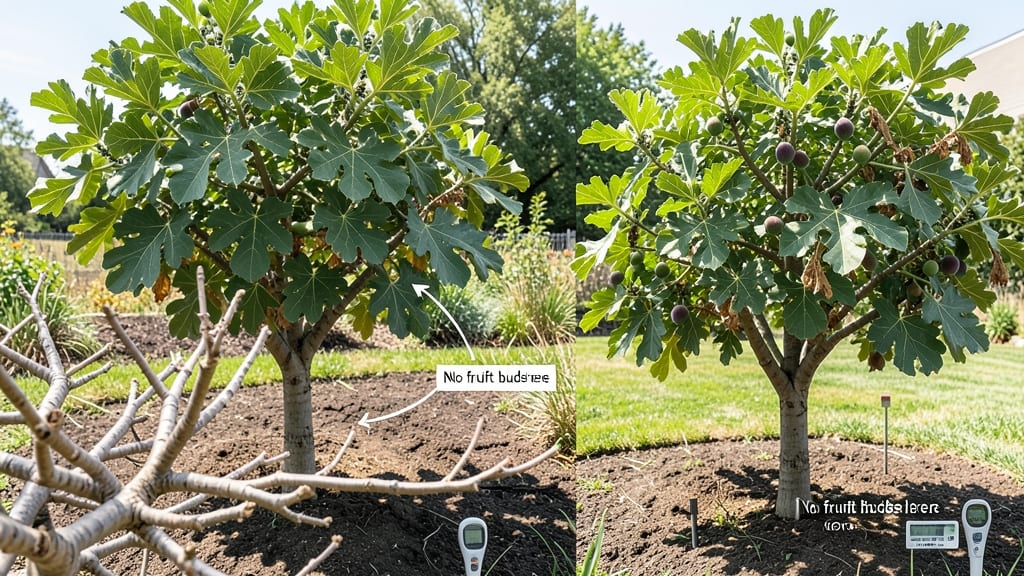
Your fig tree might be blooming but why is my fig tree not producing fruit because it’s struggling with the basics—light, water, or nutrients. 🌿 I’ve had this happen twice, and every time it came down to one of five simple fixes that most gardeners overlook.
The good news? Fig trees are forgiving once you address the root cause. The most common culprits are inconsistent watering (too much or too little) and poor sunlight exposure (they need 6+ hours of direct sun daily).
Even mature trees can stop producing if they’re stressed—yellowing leaves or sparse foliage are red flags. I once thought my tree was dying until I realized it just needed better drainage and a little extra phosphorus.
Once you correct the issue, you’ll see new fruit buds forming within 4-6 weeks. The key is patience—fig trees reward consistent care with sweet, sun-ripened fruit by late summer. Let’s troubleshoot step by step to get yours back on track.
First, check your tree’s light situation—figs thrive in full sun, but if yours is in shade, it won’t fruit. Next, water deeply but infrequently (1-2 inches per week), letting the soil dry slightly between waterings.
Overwatering causes root rot, which stalls fruit production entirely. I also recommend a balanced fertilizer in early spring to jumpstart growth. If pests or disease are the issue, look for sap-sucking insects (like aphids) or fungal spots on leaves.
A neem oil spray or copper fungicide can turn things around quickly. The goal is to create an environment where your tree feels safe to focus on fruit instead of survival.
For long-term success, prune in late winter to remove dead wood and open the canopy for better airflow. This encourages new growth where fruit buds form.
My tree now produces 50+ figs per season after just two years of targeted care—proof that even neglected trees can bounce back with the right adjustments.
Underlying Causes Of No Fruit
Figs are nature’s sweet rewards—but when your tree seems to skip the harvest, the reasons often boil down to a few key factors. Understanding these triggers is the first step to turning things around. Let’s break down the science behind why your fig tree might be playing hard to fruit.
Figs are sun-worshippers, and without enough light, they simply won’t bother flowering—or worse, they’ll focus all their energy on leafy growth instead of fruit production.
Why it happens:
- Figs need 6–8 hours of direct sunlight daily to trigger photosynthesis and flowering hormones (like florigens).
- Shade from buildings, taller trees, or even dense foliage can starve the tree of the energy it needs to develop fruit.
- Young trees or those in high-altitude climates may struggle to mature buds if light is inconsistent.
Actionable fix:
- Move potted figs to sunnier spots or prune nearby obstructions.
- If outdoors, ensure the tree isn’t overshadowed by competitors like oak or pine trees.
- Pro tip: 🌡️ Southern exposure (in the Northern Hemisphere) is ideal—maximize that real estate!
Figs are tropical at heart, and they have strict temperature preferences—too hot, too cold, or erratic swings can halt fruit development.
Why it happens:
- Cold damage: Figs need winter chilling (varies by variety—some need none, others up to 300 hours below 45°F/7°C).
- Heat stress: Temperatures above 95°F (35°C) can cause flower drop or stunted fruit.
- Late frosts: Early blooms killed by frost mean no fruit to harvest.
Actionable fix:
- Cold-hardy varieties (like ‘Celeste’ or ‘Chicago Hardy’) tolerate chill better—choose wisely for your zone.
- Mulch heavily in winter to protect roots from temperature swings.
- Pro tip: 🌡️ If your area has late frosts, opt for late-blooming varieties or use frost cloths to shield flowers.
Figs are heavy feeders, and poor soil chemistry can lead to weak growth—or worse, no fruit at all.
Why it happens:
- Nitrogen overload: Too much nitrogen = lush leaves but no flowers or fruit (the tree prioritizes foliage).
- Phosphorus deficiency: This macronutrient is critical for flower and fruit development—without it, buds fail to form.
- Calcium/magnesium deficiencies: Can cause blind nodes (areas where no fruit develops).
- Compacted or poor-draining soil: Roots struggle to absorb nutrients, leading to stunted growth.
Actionable fix:
- Test your soil (pH 6.0–7.0 is ideal for figs).
- Balance your fertilizer: Use a low-nitrogen, high-phosphorus formula (e.g., 5-10-10) in early spring.
- Amend soil with compost or aged manure for organic matter.
- Pro tip: 💡 A light Epsom salt spray (1 tbsp/gal water) can boost magnesium if leaves show yellowing between veins.
Figs fruit on new wood, and aggressive or improper pruning can remove potential fruit-bearing branches—or stress the tree into skipping reproduction.
Why it happens:
- Over-pruning: Cutting back too hard in late winter/early spring removes next year’s fruit buds.
- Wrong timing: Pruning after fruit sets (summer/fall) can stimulate new growth that won’t fruit until the following year.
- Poor structure: A tree with too many weak or crowded branches diverts energy away from fruit production.
Actionable fix:
- Prune in late winter/early spring (before buds swell) to shape the tree without sacrificing fruit potential.
- Avoid topping—this encourages leafy growth over fruit.
- Thin out crowded branches to improve airflow and sunlight penetration.
- Pro tip: 🎯 Leave 3–5 strong branches per main trunk to encourage fruit-bearing zones.
Hidden invaders can sap your fig’s energy, leaving it too weak to fruit—or worse, they may directly attack flowers and fruit.
Why it happens:
- Root-knot nematodes: These microscopic pests stunt root growth, reducing the tree’s ability to absorb water/nutrients.
- Fig mosaic virus: Spread by aphids, it causes yellow mottling and poor fruit set.
- Sap-sucking insects (aphids, scale): They excrete honeydew, attracting sooty mold, which blocks sunlight and stresses the tree.
- Fungal diseases (like anthracnose): Can mummify flowers before they develop into fruit.
Actionable fix:
- Inspect leaves/roots for signs of pests (sticky residue, wilting, galls).
- Apply neem oil or insecticidal soap for soft-bodied pests like aphids.
- Solarize soil (for nematodes) or use beneficial nematodes (Steinernema feltiae).
- Pro tip: 🔥 Copper fungicide sprays can prevent anthracnose if your area is humid.
Key takeaway: Your fig tree isn’t being lazy—it’s either starved, stressed, or overworked. Address one (or more) of these causes, and you’ll be well on your way to a fruit-laden harvest! 🍈🌟
Revive Your Fig Tree’s Fruitfulness
Now that you know the likely reasons your fig tree isn’t bearing fruit, let’s roll up our sleeves and get to work! 🌱🍈 Below are practical, step-by-step solutions tailored to each common cause—plus pro tips to keep your tree thriving long-term.
Fix: Move or prune for better sunlight access.
- 🔥 Relocate the Tree (If Possible): Figs need 6–8 hours of direct sun daily. If your tree is in a shady spot, consider transplanting it to a sunnier area (spring or early fall is ideal).
- 🍳 Prune Overhanging Branches: Trim nearby trees, shrubs, or structures (like fences or roofs) blocking sunlight. Use clean, sharp pruners to avoid damaging the fig’s bark.
- 👨🍳 Adjust Container Placement: Potted figs? Rotate the pot every few weeks for even sun exposure. South-facing windows or balconies work best.
💡 Prevention Tip: Plant figs in full-sun locations from the start. If space is limited, choose dwarf varieties like ‘Little Miss Figgy’ or ‘Brown Turkey.’
Fix: Mimic ideal growing conditions.
- ✨ Choose the Right Variety: Cold-hardy figs (e.g., ‘Chicago Hardy,’ ‘Celeste’) thrive in zones 5–8. Heat-loving types (e.g., ‘Brown Turkey,’ ‘Desert King’) need zones 8–11.
- 🏡 Protect from Frost: In colder climates, mulch heavily (4–6 inches of straw or wood chips) and wrap the trunk with burlap or frost cloth in winter. Move potted figs indoors when temps drop below 20°F (-7°C).
- 🌡️ Provide Heat in Cool Zones: Use row covers or a small greenhouse to extend the growing season. Figs need warmth to set fruit—aim for 70–90°F (21–32°C) during flowering.
💡 Prevention Tip: Research microclimates in your area. South-facing walls or greenhouses can create ideal spots for figs in cooler regions.
Fix: Test soil and fertilize correctly.
- 📊 Test Your Soil: Figs prefer well-draining, slightly alkaline soil (pH 6.0–7.0). Use a soil test kit (available at garden centers) to check pH and nutrients.
- 🥗 Amend the Soil: Mix in compost, aged manure, or perlite to improve drainage. Avoid heavy clay or waterlogged soil.
- 💪 Fertilize Smartly:
- Spring (March–April): Apply a balanced fertilizer (10-10-10) or citrus-specific fertilizer (high in nitrogen).
- Summer (June–July): Switch to a low-nitrogen, high-phosphorus fertilizer (e.g., 5-10-10) to encourage fruiting.
- Avoid over-fertilizing—too much nitrogen = leafy growth, no fruit!
💡 Prevention Tip: Mulch annually with compost or wood chips to retain moisture and nutrients. Keep mulch 3–4 inches deep but away from the trunk.
Fix: Prune strategically to encourage fruit production.
- 🔪 When to Prune: Late winter or early spring (just before new growth starts). Avoid pruning in fall or winter—figs are sensitive to cold damage.
- 🌿 How to Prune:
- Remove Dead/Diseased Wood: Cut back 1/3 of the oldest branches to stimulate new growth.
- Thin Out Crowded Branches: Figs need good airflow. Trim branches rubbing against each other.
- Shape for Sunlight: Open the center of the tree to let light reach inner branches (where fruit often forms).
- ⏰ Post-Pruning Care: Water deeply and fertilize lightly to help the tree recover.
💡 Prevention Tip: Don’t prune too aggressively—figs fruit on current season’s growth. Light pruning (10–20% of branches) is often enough.
Fix: Water consistently without overdoing it.
- 💧 Deep & Infrequent Watering: Figs hate wet feet but need consistent moisture. Water deeply 1–2 times per week (more in extreme heat).
- 🌱 Check Soil Moisture: Stick your finger 2 inches into the soil—if it’s dry, water. If soggy, wait.
- 🚰 Improve Drainage: If your fig is in a pot, ensure it has drainage holes. Elevate pots to prevent root rot.
💡 Prevention Tip: Mulch heavily to retain moisture and reduce evaporation. Drip irrigation is ideal for container figs.
Figs are self-pollinating, but indoor trees or those in sheltered areas may need help:
- 🐝 Hand-Pollinate: Gently shake branches during morning hours when bees are active (if outdoors).
- 🌬️ Improve Airflow: Use a small fan near the tree to mimic wind pollination.
Final Thought: Patience is key—fig trees can take 2–5 years to mature and fruit. With the right care, your tree will reward you with a sweet harvest! 🍇🌟 Try one fix at a time, monitor progress, and adjust as needed. Happy gardening!
Frequently asked questions
My fig tree has leaves but no fruit—could it just be too young?
Fig trees typically take 2-5 years to mature and produce fruit, but even young trees can show signs of blooming. If your tree is older than 3 years and still not fruiting, check for light exposure (needs 6+ hours of direct sunnutrient deficiencies—especially phosphorus, which is critical for fruit development.
Why do my figs form but then drop before ripening?
This usually happens due to water stress (either underwatering or overwatering), temperature extremes (above 95°F/35°C or below 50°F/10°C), or nutrient imbalances. Figs need consistent moisture and warmth to hold onto fruit. Try mulching heavily and providing afternoon shade during heatwaves.
Can I force my fig tree to fruit indoors?
Indoor figs can fruit, but they need bright, direct sunlight (south-facing window) and 12+ hours of light daily. Supplement with a grow light if natural light is insufficient. Also, ensure good airflow and hand-pollinate by gently shaking branches during flowering.
What does "blind nodes" mean, and how do I fix it?
Blind nodes are areas where your fig tree produces leaves but no fruit buds. This happens from calcium or magnesium deficiencies or over-pruning. Fix it by applying Epsom salt (1 tbsp/gal water) for magnesium or using a balanced fertilizer (10-10-10) in early spring. Avoid heavy pruning during fruiting season.
My fig tree has fruit, but they’re small and underdeveloped—what’s wrong?
Small, underdeveloped figs usually indicate poor pollination, low phosphorus, or inconsistent watering. Try hand-pollinating (gently shake branches), switching to a high-phosphorus fertilizer (5-10-10), and watering deeply 1-2 times per week. Also, ensure the tree gets full sun to support healthy growth.