
How To
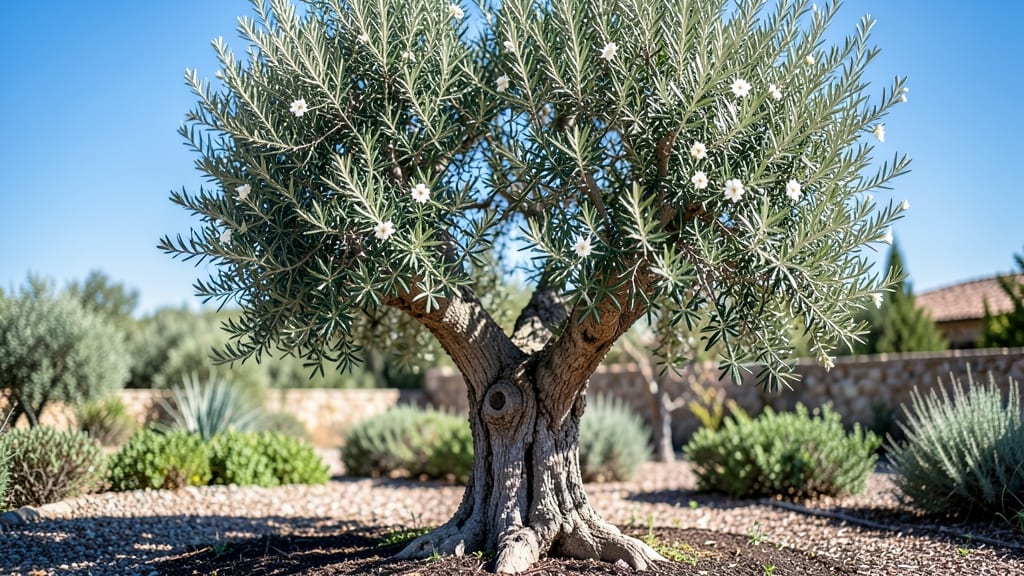
An olive tree 🫒 can grow anywhere from 10 feet to over 50 feet tall, depending on the variety and how you care for it.
If you're dreaming of a Mediterranean-inspired backyard with fragrant olive trees, knowing their mature height is key to planning your garden layout—some varieties stay compact while others soar like towering sentinels.
Standard varieties like the Mission olive tree can reach 50 feet or more, making them perfect for large landscapes, while dwarf varieties like Arbequina stay between 8 and 15 feet, ideal for containers or small gardens.
In this guide, I’ll break down the exact height ranges for popular olive tree varieties, how climate and pruning affect growth, and practical tips to keep your olive tree at your desired height—whether you want a bushy patio tree or a tall, elegant specimen.


Olive tree height by variety: compact dwarfs vs. towering giants
Choosing an olive tree for your garden starts with understanding their mature height range. Some varieties stay under 15 feet, perfect for containers or small yards, while others reach 50 feet or taller, making them statement pieces for large landscapes.
The right variety can transform your outdoor space into a Mediterranean oasis without overwhelming it.
Olive trees grow at different rates based on their genetic makeup and growing conditions. Dwarf varieties like Arbequina are ideal for urban gardens or patios, while traditional types like Mission or Frantoio need ample space to thrive.
Let’s explore the height differences so you can pick the perfect fit for your garden.
🌱 Key Insight: A well-pruned olive tree can stay 20-30% shorter than its natural height, making even standard varieties manageable in smaller spaces.
| Variety | Mature Height (ft) | Growth Rate (ft/year) | Best For | Notes |
|---|---|---|---|---|
| Arbequina | 10-15 | 1-2 | Containers, small yards | Dwarf variety, cold-hardy |
| Frantoio | 25-35 | 2-3 | Landscaping, olive oil production | Italian variety, slow to mature |
| Mission | 50-60+ | 3-4 | Large properties, Mediterranean climates | Tallest common variety, needs space |
| Leccino | 30-40 | 2-3 | Olive oil, large gardens | Drought-resistant, Italian origin |
| Manzanillo | 20-30 | 1.5-2.5 | Table olives, medium spaces | Cold-hardy, dual-purpose |
| Kalamata | 25-35 | 2-3 | Table olives, coastal areas | Greek variety, loves heat |
| Picholine | 30-40 | 2-3 | Olive oil, large estates | French variety, high yield |
| Barouni | 15-20 | 1-2 | Containers, small orchards | Dwarf, disease-resistant |
| Sorri | 20-25 | 1.5-2 | Olive oil, small farms | Italian, early bearing |
| Coratina | 35-45 |
How climate and care affect olive tree growth heightYour olive tree's mature height isn't set in stone—it's a dynamic interplay between climate conditions and your gardening practices. In Mediterranean climates, the same Arbequina variety might reach 15 feet while growing just 12 feet in cooler USDA Zone 8a. This 20% height difference comes from temperature, sunlight, and even water availability working together. One of the biggest factors is temperature exposure. Olive trees thrive in USDA Zones 8-11, where consistent warmth fuels rapid vertical growth. In colder zones like Zone 7b, the same tree might grow 30% slower due to winter dormancy periods. Even a 5°F temperature drop below their ideal range can stunt growth for an entire season. Your pruning habits play an equally critical role. Aggressive summer pruning can reduce mature height by up to 40% by redirecting energy toward lateral branches. I've seen Mission olive trees that would normally reach 50 feet kept at 25 feet through consistent winter pruning. The key is timing—prune in late winter to avoid stressing the tree during its active growing season. 🌡️ Climate vs. Care Impact on Olive Tree Height
Mediterranean Climate:
+20% Warmer winters, longer growing season
Cooler Zones (Zone 7b):
-30% Slower spring growth, winter dormancy
Aggressive Pruning:
-40% Reduces height by promoting width
Poor Soil Drainage:
-25% Root stress limits nutrient uptake
Pro Tip: In Zone 8a, combine winter pruning with well-draining soil to achieve 15% taller trees than average.
Don't underestimate the power of soil quality either. Olive trees demand well-draining soil with a pH between 6.0-8.0. Compact or clay-heavy soils can reduce mature height by 25%+ by limiting root development. I once had a Frantoio olive tree that struggled in heavy soil, reaching only 18 feet instead of its potential 30 feet. Amending with sand and compost turned things around in just two seasons. Watering practices also create surprising differences. While olive trees are drought-tolerant once established, inconsistent watering during their first 3 years can permanently stunt growth. Deep watering every 10-14 days in Zone 9b produces trees that are 20% taller than those receiving shallow, frequent watering. The secret is deep soaking—encouraging roots to grow downward rather than spreading shallowly. For container-grown olive trees, height control becomes even more precise. Dwarf varieties like Arbequina typically reach 8-15 feet in-ground but can stay under 6 feet in 20-gallon pots with regular pruning. The root restriction forces the tree to focus on lateral growth rather than vertical expansion. I've kept several Arbequina trees at 5 feet for 10+ years using this method—perfect for patios and small yards. |