
Plants
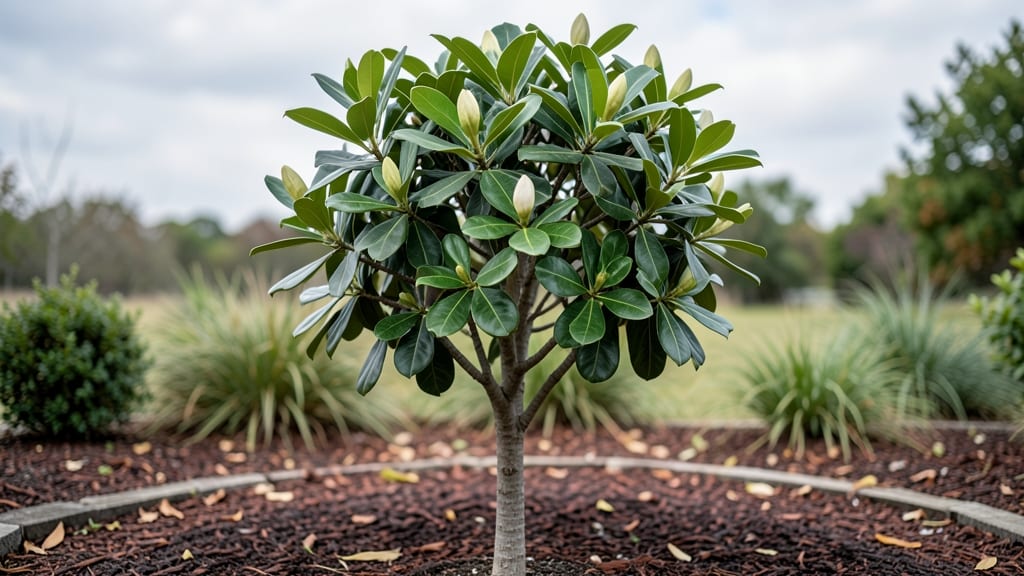
A young magnolia tree starts as a delicate, velvety green dream with leaves that look like oversized, pointed ovals—think of a cross between a tulip petal and a magnolia bloom. 🌱 The bark is smooth and silvery-gray, almost like a freshly peeled willow branch, while its growth habit is upright but slow, with branches that spread gracefully as it matures.
Unlike willows or cherries, its leaves are thick and leathery, with a subtle waxy coating that makes them feel slightly sticky to the touch.
One of the most exciting clues is the way it blooms early—sometimes even in its first year—with tiny, cup-shaped flowers that may look like miniature versions of the grand blooms you’ll see later.
These early flowers are often white or pale pink, and they appear before the leaves fully unfurl, a dead giveaway compared to other trees that bloom later in the season. The scent is faint but sweet, like a whisper of spring.
If you’re planting one, choose a spot with morning sun and afternoon shade—magnolias hate scorching heat but love humidity. They grow best in well-draining soil and can handle partial shade, making them perfect for yards with filtered light.
The key to spotting a young magnolia is remembering its thick leaves, smooth bark, and those early, delicate blooms that hint at the stunning tree it’ll become.
Confusion with other trees? Look for the leathery leaves and early flowers—no other young tree combines those two traits so distinctly. Once you spot these signs, you’ll recognize a magnolia sapling anywhere, and you’ll be rewarded with decades of fragrant blooms and lush shade.
Why it happens
When you first spot a young magnolia tree, its appearance might seem mysterious—especially if you’re comparing it to the grand, mature trees you’ve seen in parks or gardens. 🌱✨ The truth is, magnolias undergo dramatic changes in their early years due to a mix of genetic programming, environmental factors, and growth stages.
Understanding these influences helps you identify (and nurture) a young magnolia with confidence. Let’s break down the science behind its unique look.
A young magnolia’s features are largely dictated by its species or cultivar. For example:
- Southern Magnolia (Magnolia grandiflora): Even as seedlings, they develop thick, glossy leaves with a distinct cupped shape and a reddish-brown bark that’s deeply furrowed early on. Their buds form in clusters, hinting at the future large, fragrant blooms.
- Star Magnolia (Magnolia stellata): Young trees sport narrow, lance-shaped leaves (unlike the broader leaves of other species) and produce pink or white star-shaped buds as early as 3–5 years old—long before they bloom fully.
- Saucer Magnolia (Magnolia × soulangeana): Look for purple or pink flower buds forming in late winter, even on saplings, thanks to their hybrid vigor.
💡 Pro Tip: If you’re unsure of the species, note the leaf arrangement (alternate vs. spiral) and bud shape—these are the most reliable early clues.
Magnolias grow in distinct phases, and each stage brings visible changes:
| Age | Key Visual Traits | Why It Happens |
|---|---|---|
| 0–2 Years (Seedling) |
|
At this stage, the tree is prioritizing root and stem development over reproductive growth. Leaves are small to reduce water loss while roots expand. |
| 3–5 Years (Juvenile) |
|
The tree shifts focus to photosynthesis efficiency and bud formation. The waxy leaf coating reduces transpiration, while bark changes signal structural reinforcement for future height. |
⏰ Time Check: If your sapling isn’t showing these traits by age 5, it might be stressed or underwatered—adjust care immediately.
Young magnolias are sensitive to their surroundings, and environmental factors can drastically alter their appearance—sometimes mimicking pests or diseases. Here’s what to watch for:
🌡️ Temperature and Sunlight
- Too much shade: Leaves may stay small, pale, or yellowish (chlorosis) due to limited chlorophyll production.
- Scorching sun: Leaves can develop brown edges or crispy spots (sunburn), especially in hot, dry climates.
- Late frosts: New growth may curl or blacken if damaged before hardening off.
💧 Water and Soil Conditions
- Overwatering: Leads to yellow leaves, mushy stems, or root rot (visible as a foul smell at the base).
- Drought stress: Causes leaves to wilt, drop early, or turn brittle.
- Poor drainage: Young roots suffocate, leading to stunted growth and dark, waterlogged soil.
🐛 Pest and Pathogen Pressure
While not always the cause, insects or fungi can mask a magnolia’s true form:
- Spider mites: Cause speckled, silvery leaves (they suck sap, leaving stippled damage).
- Scale insects: Create sticky residue (honeydew) and black sooty mold on leaves.
- Fungal leaf spot: Produces dark spots with yellow halos (common in humid areas).
🔥 Quick Fix: Isolate the tree, prune affected leaves, and treat with neem oil or copper fungicide if needed.
Reviving Your Young Magnolia Tree
If your young magnolia isn’t thriving, don’t panic—most issues have simple fixes! Whether it’s stunted growth, yellowing leaves, or a lack of blooms, these practical solutions will help you nurse your tree back to health.
Below, we’ve matched common problems with step-by-step fixes, plus prevention tips to keep your magnolia strong for years to come.
Cause: Poor soil, overcrowded roots, or insufficient sunlight. Fix:
- 🔥 Test and Amend the Soil Magnolias love well-draining, slightly acidic soil (pH 5.0–6.0). Test your soil with a kit (available at garden centers) and amend it with compost or peat moss if needed. Avoid heavy clay—mix in sand or perlite for better drainage.
- 🍳 Provide the Right Space Young magnolias need 6–10 feet of space to grow without competing with other plants. If roots are crowded, prune nearby plants or transplant your magnolia to a sunnier, more open spot.
- ☀️ Ensure Full Sun Exposure Most magnolias need 6+ hours of direct sunlight daily. If your tree is in shade, gradually move it to a sunnier location over a few weeks to avoid shock.
💡 Prevention Tip: Plant magnolias in spring or early fall when roots can establish before extreme weather. Mulch around the base (but not touching the trunk) to retain moisture and regulate soil temperature.
Cause: Overwatering, underwatering, or nutrient deficiencies. Fix:
- 👨🍳 Check Watering Habits
- Overwatering? Let the top 2–3 inches of soil dry out between waterings. Yellow, mushy leaves or a foul smell mean root rot—stop watering immediately and improve drainage.
- Underwatering? Water deeply 1–2 times per week (more in extreme heat). Wilting or crispy leaves signal thirst.
- 🌡️ Fertilize for Health Feed your magnolia in early spring with a balanced, slow-release fertilizer (10-10-10 or 8-3-9). Avoid high-nitrogen fertilizers—they promote leafy growth at the expense of blooms. 🎯 Pro Tip: Use magnolia-specific fertilizer for best results.
- 🔪 Prune Damaged Foliage Remove yellow or brown leaves with clean pruners to redirect energy to healthy growth. Sterilize tools with rubbing alcohol to prevent disease spread.
💡 Prevention Tip: Water at the base of the tree (not the leaves) to reduce fungal risks like powdery mildew. Use drip irrigation for consistent moisture.
Cause: Age, improper pruning, or stress from environmental factors. Fix:
- ⏰ Be Patient—Young Trees Need Time Most magnolias take 3–5 years to bloom. If yours is older and still bare, it may need a bloom boost:
- 🌸 Prune Correctly
- Never prune in fall or winter—this removes next year’s flower buds!
- 🔪 Trim only in late winter/early spring (before buds swell). Remove dead, crossing, or weak branches to improve airflow and light penetration.
- Avoid shearing—magnolias bloom on old wood.
- 🌸 Prune Correctly
- ☀️ Optimize Sunlight and Soil Some magnolias (like Magnolia stellata) need full sun, while others (Magnolia grandiflora) tolerate partial shade. Research your specific variety and adjust placement. 📊 Soil Tip: Add bone meal (high in phosphorus) in early spring to encourage flowering.
- 🌡️ Reduce Stress Factors Magnolias hate transplant shock—if recently moved, avoid fertilizing for 6–8 weeks. Also, protect from late frosts (young buds are frost-sensitive).
💡 Prevention Tip: Plant pollinator-friendly flowers nearby to attract bees and improve fertilization. Avoid heavy mulch piles around the base, which can suffocate roots.
Cause: Spider mites, scale insects, or fungal infections. Fix:
- 🔪 Identify the Problem First
- Spider mites? Look for fine webbing on leaves. Treat with neem oil spray (mix 1 tbsp neem oil + 1 tsp mild soap per quart of water).
- Scale insects? Scrape off visible bumps with a soft brush and spray with horticultural oil.
- Fungal spots? Remove infected leaves and apply copper fungicide (follow label instructions).
- 🌱 Strengthen the Tree’s Defense
- 💪 Boost immunity with compost tea (homemade or store-bought).
- ✨ Improve airflow by thinning dense foliage.
💡 Prevention Tip: Inspect your magnolia weekly during growing season. 🌡️ Early detection is key—catch pests before they spread!
With these fixes, your young magnolia should bounce back stronger than ever. Remember: patience and consistency are key—magnolias reward long-term care with stunning blooms and lush foliage. Happy gardening! 🌿✨
Frequently asked questions
How can I tell if my young tree is a magnolia and not just a regular sapling?
Look for thick, leathery leaves with a waxy coating and smooth gray bark. Unlike willow saplings (which have long, narrow leaves) or cherry trees (with serrated edges), magnolias have rounded, oval leaves that feel slightly sticky. The real giveaway? Early flower buds forming in winter—even on young trees!
Why does my young magnolia have small leaves compared to other trees?
Young magnolias naturally grow smaller leaves during their first 2-3 years as they focus energy on root development. Their leaves only double in size around age 3-5. If yours are yellow or stunted, check for poor drainage or too much shade—magnolias need morning sun and well-draining soil.
Can I grow a magnolia from a cutting or do I need to plant a sapling?
While possible, magnolias are hard to propagate from cuttings—they root poorly compared to saplings. For best results, buy a 1-2 year old nursery-grown sapling (look for healthy roots and firm stems). Plant in spring or early fall in slightly acidic soil with partial shade.
What's the fastest way to identify a young magnolia vs. a willow or dogwood?
Use this quick checklist: magnolias have thick leaves, smooth bark, and early flower buds. Willows have long, drooping branches and thin leaves, while dogwoods have opposite branching and red stems. Pro tip: Crumple a leaf—magnolia leaves won't tear easily due to their waxy coating!