
Trees
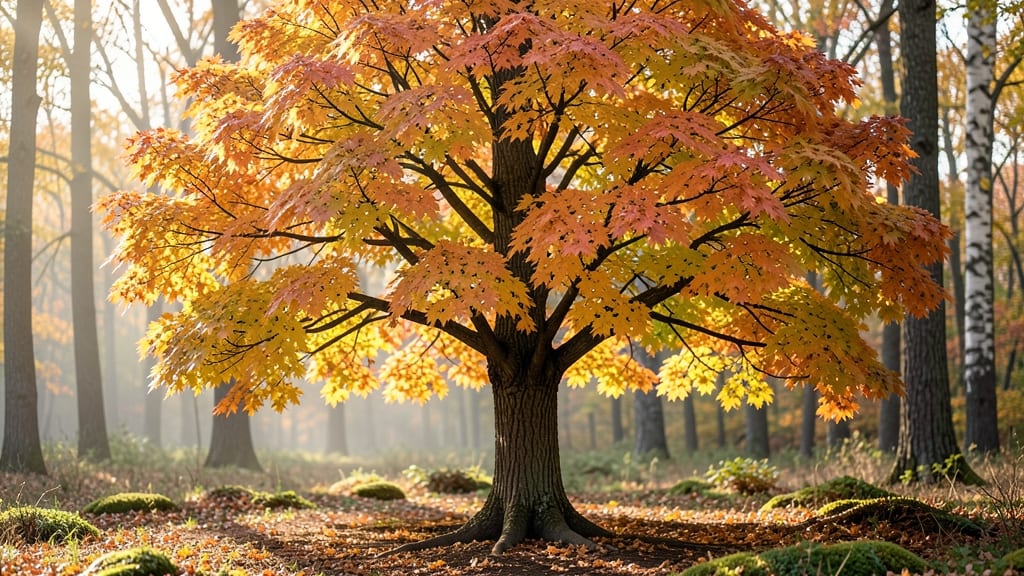
Your yard could burst into fiery yellows this fall with what tree has yellow leaves in the autumn? The Ginkgo biloba and Sweetgum stand out for their golden foliage, but even common trees like Sugar Maples turn stunning shades when given the right care.
I’ve watched my Ginkgo transform from green to golden each autumn, and it’s nothing short of magical. These trees thrive in zones 4-9, with most needing full sun and well-drained soil. A little extra mulch in spring boosts root health, which directly impacts those vibrant fall colors.
The key? Prune in late winter to encourage dense growth—more leaves mean more dramatic color shifts. By late October, your yard will feel like a postcard, with leaves crunching underfoot and sunlight filtering through golden canopies. The best part?
Many of these trees are low-maintenance once established, so you get beauty without the hassle. Raking those leaves isn’t just cleanup—it’s free mulch for next year’s garden. Just pile them near perennial beds for a natural, nutrient-rich boost. Here’s how to pick the perfect shade of yellow for your landscape!
The Science Behind Fall Foliage
Autumn’s golden canopy isn’t just a picturesque backdrop—it’s a biological masterpiece 🌿✨. When trees like maples, aspens, and birches transform into fiery hues of yellow, orange, and red, they’re following a carefully choreographed process. Let’s break down the why behind this seasonal spectacle.
Every leaf’s vibrant green color comes from chlorophyll, the pigment that captures sunlight for photosynthesis. But as daylight shortens and temperatures drop, trees signal their leaves to stop producing chlorophyll.
Without this green pigment, other colors—like carotenoids (yellow/orange) and anthocyanins (red/purple)—become visible. Think of it like peeling back layers of an onion: the true colors were there all along!
Key players:
- Carotenoids: Present year-round but masked by chlorophyll. They shine bright yellow or orange in fall (e.g., in hickory or aspen leaves).
- Anthocyanins: Produced in response to stress (like cool nights + sunny days). These create deep reds, like in sugar maples or red oaks.
As chlorophyll fades, trees recycle nutrients from leaves back to their roots and branches. This process involves breaking down sugars and starches stored in leaves, which can create a secondary burst of color. For example:
- 🌿 Maple trees: Their sap contains high sugar concentrations. When these sugars interact with sunlight, they produce anthocyanins, turning leaves fiery red.
- 🍁 Birch trees: Low in anthocyanins but rich in carotenoids, so their leaves stay golden-yellow.
Pro tip: The most vibrant fall colors often appear in trees with high sugar content (like maples) or those exposed to bright sunlight and cool nights (ideal conditions for anthocyanin production). 🌡️🎯
Timing is everything! Trees need two key triggers to turn their leaves:
| Factor | Role in Color Change |
|---|---|
| 🌞 Daylight | Shorter days (fewer than 12–14 hours of sunlight) signal trees to stop producing chlorophyll. |
| ❄️ Temperature | Cool nights (below 50°F/10°C) activate sugar breakdown, while warm, sunny days boost anthocyanin production. |
Example: A sugar maple in New England will display its best reds when days are crisp (40–50°F) and nights dip below freezing. Meanwhile, a yellow poplar thrives in milder climates, staying golden.
Fun fact: Trees in tropical climates rarely turn color because they lack these temperature shifts! 🌴🚫
Next time you see a tree ablaze with yellow, remember: it’s not just changing colors—it’s performing a chemical symphony to survive the winter. And the best part? You get to witness the show for free! 🍂📸
Quick fixes for fall foliage fades
If your trees aren’t putting on their usual golden autumn show, don’t panic! Whether it’s nutrient deficiencies, disease, or environmental stress, there are practical ways to revive their vibrancy.
Below, we’ll break down the most common causes of dull fall colors and provide easy, actionable solutions—plus tips to keep your trees stunning year after year.
Yellowing leaves in autumn can signal a lack of essential nutrients, especially if they’re pale or sparse. Trees need a balanced diet to produce vibrant foliage.
🔥 Fix: Soil Test & Fertilize Properly
- Test Your Soil 🧪
- Conduct a soil test (kits are affordable and available at garden centers) to check pH and nutrient levels. Ideal pH for most trees is 6.0–7.0.
- Pro Tip: If your soil is too alkaline (high pH), mix in sulfur or peat moss to lower it gradually.
- Apply the Right Fertilizer 🌱
- Use a balanced, slow-release fertilizer (e.g., 10-10-10 or 20-20-20) in early fall (September–October).
- For nitrogen-loving trees (like maples or birches), add a composted manure or fish emulsion for extra green-to-gold boost.
- Pro Tip: Avoid high-nitrogen fertilizers in late fall—they encourage new growth that won’t harden off before winter.
- Mulch Like a Pro 🍂
- Spread 3–4 inches of organic mulch (wood chips, shredded bark) around the tree’s drip line (the area under the canopy).
- Keep mulch 6 inches away from the trunk to prevent rot.
Fungal infections, insects, or bacterial issues can cause premature yellowing, browning, or leaf drop. Act fast to save your tree’s autumn glory.
🍳 Treat Fungal Issues (e.g., Anthracnose, Powdery Mildew)
- Prune Infected Branches ⏰
- Remove and dispose of (don’t compost!) any branches with spots, blisters, or mold. Sterilize pruners with rubbing alcohol between cuts.
- Pro Tip: Prune in dry, sunny weather to help wounds heal faster.
- Apply Fungicide 🛡️
- Use a copper-based fungicide (like copper sulfate) or a neem oil spray every 2–3 weeks until new leaves emerge in spring.
- For powdery mildew, mix 1 tbsp baking soda + 1 tsp soap + 1 gallon water and spray undersides of leaves.
- Improve Airflow 🌬️
- Thin out dense branches to reduce humidity and fungal spores. Aim for open canopies with sunlight reaching the ground.
👨🍳 Combat Pests (Aphids, Spider Mites, Japanese Beetles)
- Blast Them Off 💦
- Spray trees with a strong stream of water to dislodge pests like aphids or spider mites.
- Repeat every 3–5 days for severe infestations.
- Use Natural Repellents 🌿
- Neem oil (mix 1 tbsp with 1 quart water + a drop of dish soap) disrupts pest life cycles.
- Kaolin clay (like Surround WP) creates a barrier that deters beetles and borers.
- Encourage Beneficial Insects 🐞
- Plant native flowers (like marigolds or yarrow) near trees to attract ladybugs and lacewings, which eat pests.
Drought, extreme heat, or late frosts can shock trees into dropping leaves or skipping their fall color change. Protect them with these adjustments.
💡 Hydrate Deeply & Consistently
- Water Slowly & Deeply 💧
- Water trees 1–2 times per week (depending on rainfall) during dry spells, delivering 1–2 inches of water per session.
- Use a soaker hose or drip irrigation to avoid wetting leaves (which can cause fungal issues).
- Mulch for Moisture Retention 🍃
- Organic mulch (like straw or wood chips) locks in moisture and regulates soil temperature.
🎯 Shield from Late Frosts
- Cover Young Trees ❄️
- If a late frost is forecasted, drape frost cloth over tender trees (like Japanese maples) at night.
- Remove it by 10 AM to allow sunlight.
- Choose Cold-Hardy Varieties ✨
- If your area has unpredictable frosts, opt for cold-resistant trees like sugar maples, ginkgo, or serviceberry.
Set your trees up for a show-stopping autumn display with these long-term strategies:
- Plant the Right Tree in the Right Spot: Match trees to your USDA hardiness zone and sunlight conditions (e.g., sweetgum for full sun, dogwood for partial shade).
- Avoid Over-Pruning: Prune only in late winter/early spring to allow energy storage for fall color.
- Monitor Soil Health Year-Round: Add compost annually to replenish nutrients.
- Watch for Early Signs: Yellowing leaves in summer (not fall) may signal chlorosis—fix with iron supplements if needed.
- Celebrate Diversity: Plant a mix of native trees (e.g., red maple, hickory, or black tupelo) for a longer, more varied fall season.
Frequently asked questions
Why do some trees turn bright yellow while others go orange or red?
The color depends on the tree's natural pigments. Yellow comes from carotenoids (like in Ginkgo or Aspen), while red/orange comes from anthocyanins (like in Maples). Cool nights and sunny days boost these pigments—ideal conditions for vibrant yellows!
Can I plant a yellow-leaf tree in partial shade?
Some varieties thrive in partial shade, like the Japanese Zelkova or Amur Maple. However, most yellow-leaf trees (e.g., Sweetgum) need full sun (6+ hours/day) for the brightest colors. Check the specific tree's care needs before planting!
Will yellow-leaf trees drop fewer leaves in fall than other trees?
Not necessarily! Trees like Ginkgo or Hornbeam hold yellow leaves longer, but most deciduous trees (including yellow-leaf varieties) will eventually drop all leaves. The difference is in the color intensity and duration before shedding.
Are there any yellow-leaf trees that are great for small yards?
The Dwarf Fountain Ginkgo (only 8-10 feet tall) or Crape Myrtle (compact varieties) are perfect for small spaces. Both offer stunning yellow fall foliage without overwhelming your landscape!
Do yellow-leaf trees need special soil?
Most yellow-leaf trees prefer well-drained, slightly acidic soil (pH 6.0-7.0). Amend heavy clay with compost, and avoid waterlogged spots. A simple soil test (available at garden centers) can help you tailor the mix to your tree's needs!