
Pruning
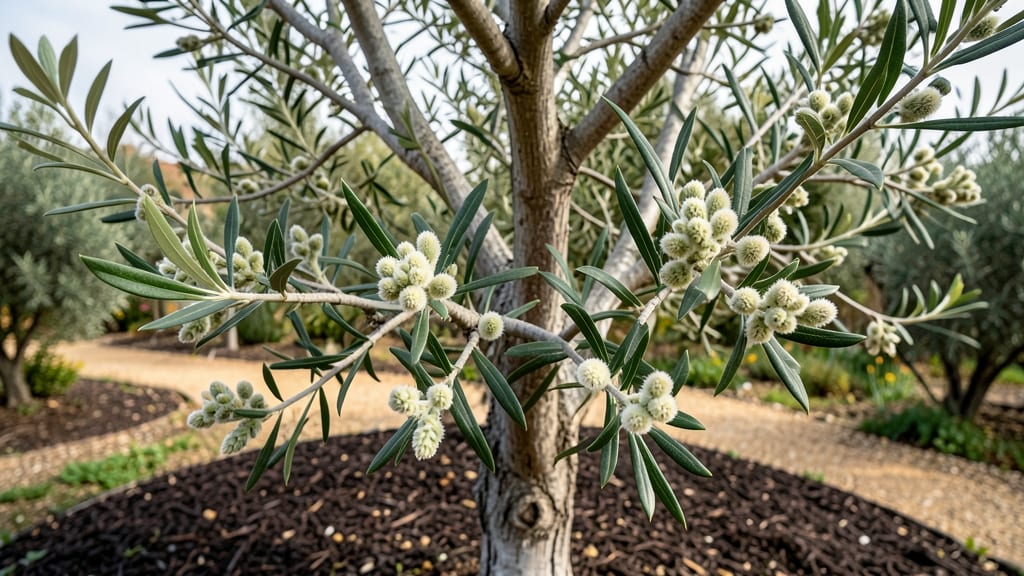
Those tiny olive tree flower buds are the secret to your harvest—pruning them right transforms a sparse crop into a lush, oil-rich bounty. 🌿 I’ve watched my own olive tree go from producing just a handful of olives to overflowing branches, all thanks to understanding when and how to shape those buds.
The key isn’t just cutting branches—it’s timing cuts to encourage the tree to focus energy on flower production instead of wild, unproductive growth.
The best time to prune for buds is late winter or early spring, just as new growth begins. You’ll spot the buds as small, rounded swellings along the branches—think of them as the tree’s promise of next year’s harvest.
Avoid heavy pruning in summer, or you’ll stress the tree when it’s already working hard to set fruit. Even a 10-minute session with the right cuts can make a difference in bud retention.
What you’ll end up with is a tree that bursts with hundreds of tiny white flowers in spring, followed by a heavy crop of olives. The buds themselves become thicker and more abundant each year when pruned correctly, and the olives grow larger and more flavorful.
Pollination helps too—planting a second variety nearby ensures better fruit set, especially in areas with fewer bees.
This works for both young trees (focus on shaping) and mature ones (light maintenance cuts). In colder climates, wait until after the last frost; in warmer zones, prune slightly earlier. The payoff? A tree that rewards your effort with years of reliable harvests—and neighbors asking how you did it.
📚 In This Guide
- What you need
- Instructions
- Tips and common mistakes
- Wrapping up and next steps
What you need
- ● Pruning shears: Bypass pruners (sharp, 7-9" blades) – 1 pair (for small branches). For thicker branches (½" or larger), use anvil pruners or a pruning saw.
- ● Loppers: Bypass-style (16-24" handles) – 1 pair (for branches ¾" to 2" in diameter).
- ● Pruning saw: Curved-tooth (for branches 2"+ in diameter) – 1.
- ● Disinfectant: Rubbing alcohol (70%+) or bleach solution (1:9 ratio) – small bottle (to sterilize tools between cuts).
- ● Gloves: Heavy-duty, cut-resistant (e.g., mechanics or pruning gloves) – 1 pair.
- ● Safety gear: Safety glasses – 1 pair.
- ● Long sleeves/pants (to protect from thorns and sun).
- ○ Pruning sealant: Optional (e.g., tree wound paint) – small tube (for sealing large cuts, if desired).
- ● Weather check: Prune on a dry, overcast day (avoid wind or rain). Ideal temps: 50–75°F (10–24°C).
- ● Tree knowledge: Identify olive tree flower buds (small, greenish-white clusters appearing in late winter/early spring).
- ● Cleanup supplies: Heavy-duty trash bags – 2–3 (for debris).
- ● Rake or broom – 1 (to clear fallen branches).
- ● Ladder (if needed): Extension ladder (24–32' for tall trees) – 1 (ensure it’s stable and rated for your height).
- ● Hand sanitizer – For post-pruning hygiene.
- ● Tree growth regulator (e.g., seaweed extract) – To encourage bud health after pruning.
- ● Camera or notebook – To document cuts for future reference.
- ● Refreshments & snacks – Pruning is hard work! 😉
Step-by-Step guide to pruning olive tree flower buds
Here's how to shape your olive tree for maximum fruit production—without stressing the plant.
✂️ Step 1: Identify the Right Time to Prune
Prune olive trees during their dormant season, which runs from late fall to early spring before new growth begins. I always wait until after the first hard frost has passed but before buds start swelling—typically February or March in most climates. Pruning during active growth can stress the tree and reduce flowering potential.
Watch for the first signs of bud swelling, which look like tiny green bumps along the branches. Once you see these, it's time to put away the pruners. The goal is to encourage the tree to focus energy on developing flower buds rather than leafy growth.
🌿 Step 2: Assess the Tree's Structure and Remove Dead or Weak Growth
Start by removing any branches that are dead, diseased, or crossing each other. These compete with healthy growth and reduce overall productivity. Use clean, sharp pruning shears to make 45-degree cuts just above a bud or lateral branch. Avoid leaving stubs, as they invite disease and slow recovery.
Next, look for branches that are growing inward or rubbing against others. These should be pruned back to the nearest outward-facing bud. I always step back and visually inspect the tree's shape—olive trees benefit from an open, vase-like structure that allows sunlight to reach the center. Remove about 10-20% of the tree's total foliage during this step to encourage flowering.
☀️ Step 3: Encourage Flower Bud Formation Through Strategic Cuts
Olive trees produce flowers on one-year-old wood, so focus your cuts on last year's growth. Prune back the tips of branches by about one-third to stimulate the development of flower buds. Make your cuts just above a leaf node or bud that faces outward. This ensures the tree directs energy toward producing flowers rather than extending weak, leggy growth.
Pay special attention to the tree's outer branches, as these receive the most sunlight and are prime spots for flower development. Avoid heavy pruning on young trees—focus on shaping rather than reducing size. You'll know you're on the right track when you see clusters of small, green flower buds forming along the branches in early spring.
🪴 Step 4: Thin Out Overcrowded Areas for Better Airflow
Olive trees need good airflow to prevent fungal diseases and encourage healthy flowering. Thin out dense areas by selectively removing some of the smaller, inner branches. Aim to create a balanced canopy where sunlight can penetrate to the center of the tree. This step is especially important for mature trees that may have become overgrown.
Use your fingers to gently test the spacing between branches. If you can't comfortably slide your hand between them, it's time to thin. Focus on removing branches that are growing straight up or downward, as these create shade and reduce flowering potential. After thinning, the tree should look open and airy, with light filtering through the canopy.
⏰ Step 5: Clean Up and Monitor for New Growth
After pruning, collect all the clippings and dispose of them properly—either by burning them (if allowed in your area) or by bagging them for trash pickup. This prevents the spread of disease and pests. Sterilize your pruning tools with rubbing alcohol to avoid contaminating healthy branches.
Over the next few weeks, keep an eye on the tree for signs of new growth. You should see small, green flower buds forming along the branches, especially on last year's wood. If the buds don't appear within 4-6 weeks, consider adjusting your pruning approach for next year—sometimes olive trees need a lighter hand to encourage flowering.
Tips & tricks for pruning olive trees for maximum flower buds
Real talk: Pruning olive trees isn't just about cutting branches—it's about strategically shaping the tree to boost those precious flower buds. Here's what I've learned after years of trial and error (and a few too many pruning mishaps).
Timing is Everything: The dormant season window between late fall and early spring is your golden opportunity. I can't stress this enough—pruning during active growth (spring through fall) stresses the tree and actually reduces flowering. Wait until after the first hard frost but before those tiny green buds start swelling in February or March. Think of it as catching the tree at its most vulnerable yet receptive state, right before it wakes up for the season.
The 45-Degree Rule: When making cuts in Step 2, that 45-degree angle isn't arbitrary—it's about directing energy. Cutting just above a bud or lateral branch at this angle creates a natural growth path while preventing water from pooling on the cut surface. I've seen so many gardeners leave stubs, which invite disease and slow recovery. Here's my trick: Hold your pruners at a 45-degree angle and make the cut just above the bud, leaving a tiny bump that will heal cleanly.
One-Third Rule for Flower Buds: In Step 3, when you're pruning back last year's growth by one-third, you're not just shaping the tree—you're telling it to focus its energy. This strategic reduction stimulates the development of flower buds on that one-year-old wood. I've found that young trees need even lighter pruning—focus on shaping rather than reducing size. The key is to see those clusters of tiny green buds forming by early spring as your reward for getting this right.
Airflow Check: That finger test in Step 4 isn't just about aesthetics—it's about creating the perfect environment for flowering. When you can't slide your hand comfortably between branches, you're creating too much shade and poor airflow. This leads to fungal diseases and weak growth. After thinning, your tree should look like it's breathing—open and airy with sunlight filtering through. This isn't just about looks; it's about setting up your tree for maximum flowering potential.
Pro Tips for Olive Tree Flower Buds
- Real talk: Pruning olive trees isn't just about cutting branches—it's about strategically shaping the tree to boost t...
- Timing is Everything: The dormant season window between late fall and early spring is your golden opportunity. I can'...
- The 45-Degree Rule: When making cuts in Step 2, that 45-degree angle isn't arbitrary—it's about directing energy. Cut...
Frequently asked questions
Got questions about olive tree flower buds?
You’re not alone—many growers wonder about timing, care, and troubleshooting. Here are answers to the most common queries to help you nurture a thriving olive tree and maximize your harvest!
When do olive tree flower buds appear?
Olive tree flower buds typically emerge in late spring to early summer (May–June in most U.S. growing zones). However, timing varies by climate and cultivar. In warmer regions, buds may appear earlier, while cooler areas might see them slightly later. Watch for small, greenish clusters forming at the branch tips—this signals the start of blooming!
How do I know if my olive tree’s buds are healthy?
Healthy flower buds are firm, plump, and vibrant green with no signs of browning, wilting, or pests. If buds appear shriveled, blackened, or covered in sooty mold, it may indicate fungal issues (like peacock spot) or pest damage (e.g., scale insects). Prune affected branches immediately and treat with neem oil or copper fungicide if needed.
Should I prune olive tree flower buds before they bloom?
Yes! Light pruning in late winter or early spring (before buds swell) encourages stronger growth and better fruit production. Remove dead, crossing, or overcrowded branches to improve airflow and sunlight penetration. Avoid heavy pruning during bloom—focus on shaping and thinning to avoid stressing the tree.
What if my olive tree doesn’t produce buds at all?
Lack of buds can stem from stress, poor nutrition, or environmental factors. Check for:
- Sunlight: Olive trees need full sun (6+ hours daily)—move to a sunnier spot if indoors.
- Watering: Drought stress can halt bud formation; water deeply 1–2 times per week (adjust for climate).
- Fertilizer: Use a balanced, citrus-friendly fertilizer (e.g., 6-6-6 NPK) in early spring.
- Age: Young trees (<3 years) may not bud—be patient!
Can I eat olive tree flower buds?
While not commonly eaten raw, olive tree flower buds are edible and used in Mediterranean cuisine! They’re often blanched, fried, or infused into oils for a delicate, floral flavor. Warning: Some people may experience mild allergic reactions—start with a small amount. Harvest buds just before blooming for the best flavor.
Wrapping up and next steps
Pruning olive tree flower buds is your secret weapon for a healthier tree and a richer harvest—whether you're a seasoned gardener or just starting out.
By mastering the right timing, tools, and techniques, you’ll encourage vibrant blooms and plump olives year after year. Now’s the perfect moment to roll up your sleeves and give your tree the care it deserves!
🌿 Ready to take action? Start by scheduling your next pruning session (mark your calendar for late winter or early spring!) and gather your tools. Small steps today lead to a thriving olive tree tomorrow—happy pruning!