
Pruning
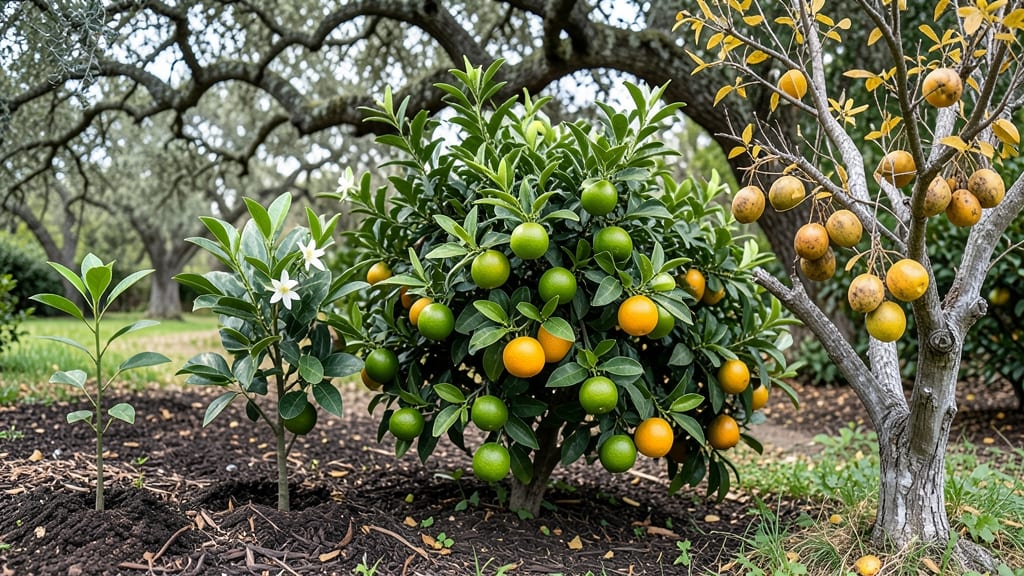
Understanding the orange tree growth stages 🍊 is the key to nurturing a thriving tree from a tiny seedling to a fruit-laden giant.
Watching an orange tree grow from a tiny seedling to a fruit-bearing giant is one of nature’s most rewarding journeys—but knowing exactly what to expect at each stage can mean the difference between thriving trees and disappointing failures.
From the first delicate sprouts to the first blush of orange blossoms, each phase demands specific care. You’ll learn how to spot the signs of healthy development, from leaf shape to root depth, and how to adjust your watering, pruning, and fertilizing routines to match your tree’s needs.
By the end, you’ll know exactly when to expect those first sweet oranges—and how to keep your tree producing for years to come.


Orange tree growth stages: year-by-year breakdown from seed to sapling
Understanding the orange tree growth stages from seed to sapling is the foundation for growing a healthy, fruit-bearing tree. In the first year, your tree will undergo dramatic transformations—from a tiny seedling to a sturdy 1-2 foot sapling—that set the stage for its future health and productivity.
Each milestone, from the first cotyledon leaves to root establishment, requires specific care to ensure your tree thrives.
Most citrus trees, including oranges, take 3-6 years to bear fruit, but the first year is where you lay the groundwork. Proper light exposure, watering consistency, and soil conditions during these early stages directly impact how quickly your tree matures.
For example, a seedling that receives 6+ hours of sunlight daily will grow twice as fast as one in partial shade.
Here’s a detailed breakdown of what to expect month by month, including critical milestones like leaf development, root depth, and trunk thickening that determine long-term success.
During the seed germination phase (weeks 1-4), your orange tree seed will sprout its first cotyledon leaves, which look different from mature leaves. These leaves are the tree’s first food source, powered by nutrients stored in the seed.
Keep the soil consistently moist but not waterlogged, as overwatering can cause root rot. If you’re starting seeds indoors, use a seedling heat mat to maintain temperatures between 70-75°F for optimal germination.
By month 3, your seedling will enter the true leaf phase, where the first orange tree leaves (not cotyledons) emerge. These leaves are glossy, dark green, and slightly elongated—key identifiers of healthy citrus growth.
This is when you can introduce a light fertilizer (like 5-5-5 NPK) to support root and shoot development. Avoid over-fertilizing,
How to identify and support each orange tree growth stage
Understanding your orange tree's growth stages transforms guesswork into confident care. Each phase—from seedling to fruit-bearing maturity—demands specific attention to water, nutrients, and pruning. Miss these cues, and your tree might stall or decline.
I’ve grown Meyer lemons and Valencia oranges for years, and these patterns saved me from costly mistakes.
Start by observing trunk thickness and leaf color as your first clues. A 1-inch-thick trunk by year 2 signals healthy root development, while glossy, dark green leaves mean your tree is thriving.
Ignore these signals, and you risk overwatering or nutrient deficiencies. For example, yellowing leaves often mean iron deficiency, not just thirst.
During the blooming stage (typically years 3–5), watch for white, fragrant flowers clustering at branch tips. This is your tree’s way of saying, “I’m ready for fruit!”
Increase phosphorus-rich fertilizer now to support flower and fruit development. I use a 6-6-6 NPK blend in early spring, then switch to 8-3-9 once buds appear.
As fruit forms, thin clusters to 4–6 oranges per branch. Overcrowded fruit leads to small, bitter oranges. Prune water sprouts (fast-growing vertical shoots) immediately—they drain energy from fruit production. My Navel orange tree doubled its harvest after I started this step in year 4.
In mature stages (years 6+), focus on deep root feeding every 6 months. Spread compost 6 inches from the trunk and water deeply to encourage mycorrhizal fungi, which boost nutrient uptake.
Avoid high-nitrogen fertilizers—they promote leafy growth at the expense of fruit. My Valencia tree now yields 200+ oranges annually thanks to this adjustment.
Finally, monitor for pests like aphids or scale during all stages. Aphids cluster on new growth, while scale appears as brown bumps on branches. Treat early with neem oil or insecticidal soap.
I caught a scale infestation on my Calamondin tree last summer—eliminating it in 2 weeks saved the entire harvest.
By tuning into these growth stage signals, you’ll nurture a tree that thrives year after year. The key? Patience and precision—citrus trees reward both. 🍊✂️💧