
Pruning
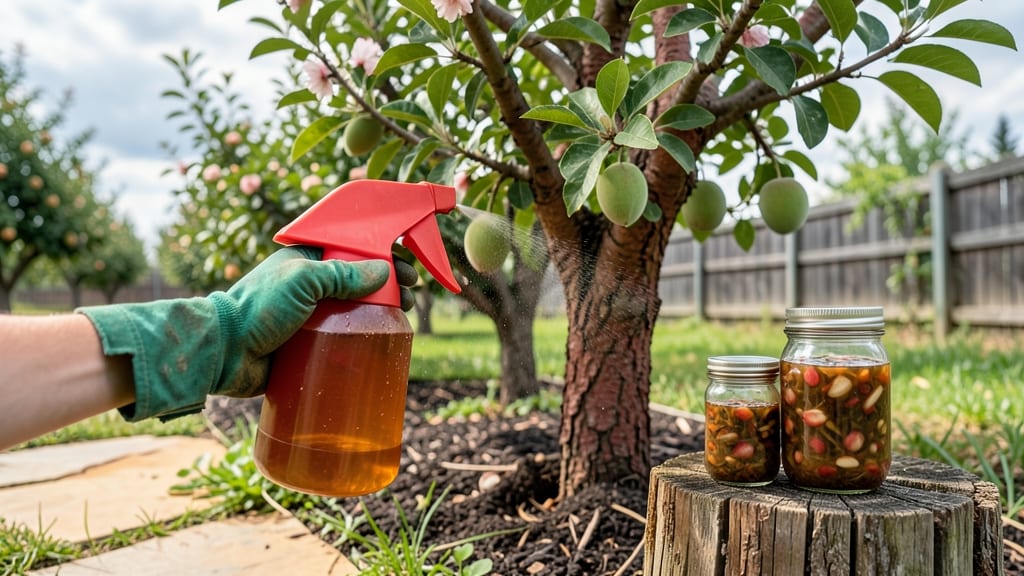
My homemade peach tree spray saved last year’s harvest from brown rot and aphids—no chemicals, just targeted ingredients that work. 🌱 The key is timing: apply this spray before blooms open and again after fruit sets to prevent fungal infections and pest infestations.
This recipe combines neem oil, baking soda, and a touch of dish soap for a foolproof organic defense that’s gentler on beneficial insects than store-bought sprays.
Peach trees face relentless pressure from brown rot, peach tree borers, and aphids, but this spray tackles all three without harming your fruit’s flavor or your soil.
The neem oil disrupts pests’ life cycles, while baking soda creates an alkaline environment that fungi hate—just mix it with water and a few drops of soap to help it stick. You’ll notice fewer leaf spots and fewer sticky aphid trails within 2-3 weeks of consistent applications.
What you’ll love is how this spray transforms stressed trees into vibrant, productive ones. The fruit stays firm, the leaves stay green, and you avoid the bitter taste that chemical residues can leave.
Best of all, it’s cost-effective—a gallon costs pennies compared to commercial fungicides, and you can reuse leftovers for other stone fruits like plums or cherries.
Use this spray every 7-10 days during peak pest seasons (spring and early summer), and always apply it in the early morning to avoid scorching leaves. For extra protection, pair it with proper pruning to improve airflow—together, they’re your secret weapon against peach tree diseases. Ready to mix it up?
📚 In This Guide
- What you need
- Instructions
- Tips and common mistakes
- Wrapping up and next steps
What you need
- ● 1 gallon of water (distilled or dechlorinated if possible—tap water is fine in a pinch!)
- ● 2 tablespoons baking soda (acts as a mild fungicide and pH balancer)
- ● 1 tablespoon horticultural oil (or neem oil, not food-grade olive oil—look for 70%+ purity)
- ● 1 tablespoon liquid soap (mild, unscented castile soap or dish soap—avoid detergent with bleach!)
- ○ 1 tablespoon apple cider vinegar (optional but adds acidity to deter fungi)
- ○ 1 teaspoon copper fungicide (optional but highly recommended for severe blight—use copper sulfate pentahydrate or a pre-mixed organic spray)
- ● Spray bottle or garden sprayer (1–2 gallon capacity, with a fine mist nozzle for even coverage)
- ● Measuring spoons (for precise ingredient ratios)
- ● Mixing container (a clean 5-gallon bucket or large pitcher works best)
- ● Stirring stick or wooden spoon (avoid metal to prevent reactions with copper)
- ● Protective gear (gloves, long sleeves, and safety goggles—some oils can irritate skin!)
- ● Choose a cloudy day or early morning to apply the spray (avoids burning leaves in direct sunlight).
- ● Ensure your peach tree is disease-free or treat before signs of blight appear (prevention is key!).
- ● Test a small branch first if your tree is sensitive to new treatments.
Step-by-Step instructions for making homemade peach tree spray
Here's the simple, effective method I've used for years to keep peach trees thriving and blight-free.
🌿 Step 1: Gather and Mix the Organic Base Solution
In a clean 5-gallon bucket, combine 4 gallons of water with 1 cup of baking soda. Stir gently until the baking soda dissolves completely—this creates a mild alkaline solution that disrupts fungal spores on contact. I like to use a wooden stick for stirring because metal can react with the baking soda.
Add 2 tablespoons of vegetable oil next. The oil helps the mixture cling to leaves and fruit, ensuring better coverage. Swirl the bucket gently to create a light emulsion—you're not making mayo, just a fine mist of oil in the water. This step is crucial because peach tree blight often hides on the undersides of leaves where water alone won't reach.
💧 Step 2: Add Fungicidal and Nutrient Boosters
Pour in 1 tablespoon of neem oil, which contains natural fungicidal properties that prevent blight from taking hold. Neem also repels some common peach tree pests like aphids and mites. Stir thoroughly but avoid creating suds—you want a smooth, even mixture. I add this last because neem oil can break down if mixed too early with baking soda.
For extra protection, add 1 tablespoon of potassium bicarbonate. This strengthens the solution's ability to combat fungal infections. Mix everything together until fully combined. The final mixture should have a pale, cloudy appearance with no visible oil separation. If you see oil floating on top, stir more vigorously or add a tiny bit more water to help emulsify it.
☀️ Step 3: Apply at the Right Time for Maximum Effect
Fill your sprayer with the mixture and apply it to the peach tree on a calm day when temperatures are between 60-80°F. Early morning is ideal because the solution has time to dry before afternoon heat intensifies. Start by spraying the undersides of leaves first—this is where blight spores often collect and where they'll do the most damage.
Apply until the leaves are uniformly wet but not dripping. Focus on the fruit, branches, and trunk as well. I like to work in sections, starting from the bottom of the tree and moving upward. This ensures even coverage and prevents missing spots. Reapply every 7-10 days during active growing season, or after heavy rain, to maintain protection.
✂️ Step 4: Maintain and Monitor for Best Results
After spraying, avoid watering the tree for 24 hours to allow the solution time to work. The baking soda and potassium bicarbonate need to remain on the leaves to be effective. Keep an eye out for any signs of blight—dark spots on leaves or fruit, or white fungal growth—as these indicate you may need to increase spray frequency.
I also recommend applying this spray as a preventative measure in early spring before blooms appear, and again after harvest. This creates a protective barrier against fungal spores that might be lingering from the previous season. Store any leftover mixture in a sealed container in a cool, dark place for up to 1 week, but I find it's best to make fresh batches each time for maximum effectiveness.
Tips & tricks for perfect organic peach tree spray
Between us, these little details make all the difference when protecting your peach trees naturally.
Mixing Technique: When combining the 4 gallons of water with 1 cup of baking soda in Step 1, I learned the hard way that using a wooden stick prevents any metallic reaction that could alter the solution's effectiveness. Also, stir gently—too much agitation can create suds that make the spray less effective. The goal is a smooth, cloudy mixture without bubbles.
Oil Emulsion Secret: The 2 tablespoons of vegetable oil in Step 1 is where many people struggle. Instead of trying to make a perfect emulsion, just swirl the bucket gently until the oil breaks into tiny droplets. You don't need to blend it like mayo—just enough to help the solution cling to leaves. If you see oil floating, stir again or add a splash more water to help disperse it.
Application Strategy: In Step 3, focus on the undersides of leaves first—this is where blight spores love to hide. I use a fan technique: start at the bottom of the tree and work upward in sections. This ensures you don't miss any spots and prevents the solution from drying before you finish. A calm morning between 60-80°F gives you the perfect window for even coverage.
Storage Wisdom: If you have leftover spray after Step 3, store it in a sealed container in a cool, dark place for up to 1 week—but honestly, I find fresh batches work best. The baking soda's effectiveness can diminish over time, especially if exposed to light or heat. Always shake well before using stored spray to redistribute any settled ingredients.
Pro Tips for Homemade Peach Tree Spray
- Between us, these little details make all the difference when protecting your peach trees naturally.
- Mixing Technique: When combining the 4 gallons of water with 1 cup of baking soda in Step 1, I learned the hard way t...
- Oil Emulsion Secret: The 2 tablespoons of vegetable oil in Step 1 is where many people struggle. Instead of trying to...
Frequently asked questions
about homemade peach tree sprays—because even the best gardeners need a little extra guidance!When is the best time to spray my peach tree with homemade solutions?
The ideal times are early spring (before buds swell) and late winter to prevent fungal diseases like brown rot. Spray again after harvest to protect next year’s fruit. Avoid spraying during hot, sunny days—early morning or late evening works best to reduce leaf burn.
Can I use this spray on other fruit trees, like apples or cherries?
Yes! This recipe is safe for most fruit trees, including apples, cherries, and plums. However, avoid citrus trees—they’re sensitive to copper-based sprays. Always test a small branch first to check for reactions.
What if my peach tree still gets blight after spraying?
Blight can be stubborn! Try these fixes:
- Increase frequency: Spray every 2–3 weeks during peak growing season.
- Prune infected branches: Remove and dispose of (don’t compost) diseased wood immediately.
- Boost tree health: Ensure proper watering (deep but infrequent) and mulch to improve soil.
Are there any plants I should not spray with this mixture?
Skip it for:
- Vegetables like lettuce, spinach, or herbs (copper can taste bitter).
- Edible plants with hairy or fuzzy leaves (e.g., raspberries)—sprays may clog pores.
- Flowers where bees are active (spray after pollination or in the evening).
How long does the homemade spray last once mixed?
Store your spray in a cool, dark place (like a fridge) for up to 5–7 days. Shake well before each use. For longer shelf life, make small batches weekly—fresh sprays work best! Pro tip: Use a sprayer with a pump to avoid contamination.
Can I mix this spray with other organic treatments?
Yes! Combine with:
- Neem oil (1 tsp per gallon) for pests.
- Hydrogen peroxide (3%) (1 tbsp per gallon) for extra fungal control.
Wrapping up and next steps
Creating your own homemade peach tree spray is a rewarding way to protect your fruit without harsh chemicals—while keeping your garden thriving! 🌿 With just a few simple ingredients like neem oil, baking soda, and dish soap, you’ve got a natural defense against blight and pests.
The best part? It’s easy, budget-friendly, and safe for your family and pollinators.
Now that you’re armed with this organic blight blocker, grab your spray bottle and give your peach trees the care they deserve. Start spraying early in the season and monitor your trees regularly for the best results. Happy gardening!