
Pruning
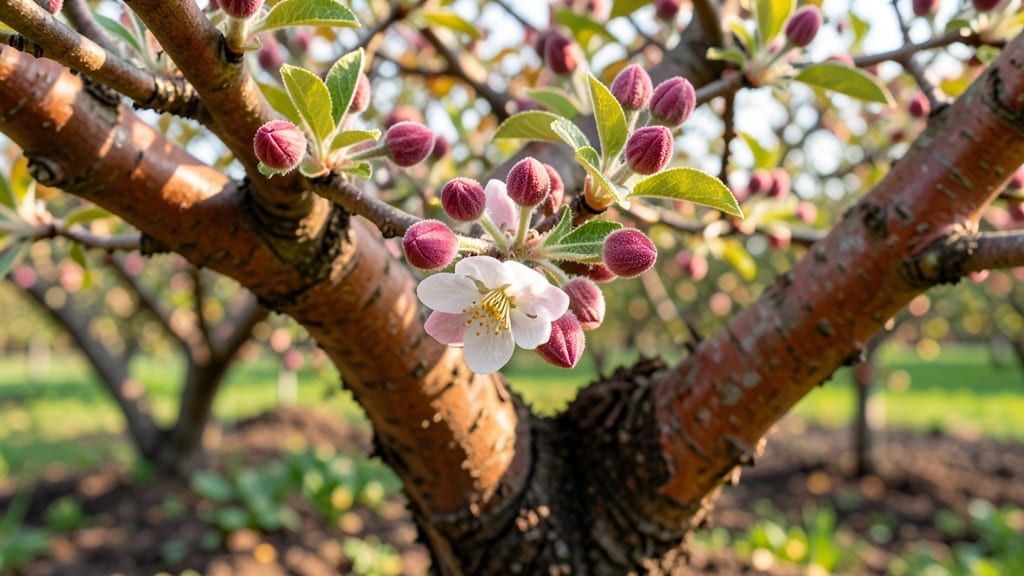
Peach tree flower buds are the secret to your harvest—ignore them, and you’ll end up with sparse fruit or none at all. 🌸 I’ve watched my own trees go from bare branches to heavy with blossoms just by timing pruning right, and the difference in fruit is night-and-day.
The buds form in late summer, but how you prune in winter sets the stage for next year’s crop.
First, you’ll need sharp bypass pruners (dull tools tear bark, inviting disease) and a clear day to work. Look for swollen buds along last year’s growth—they’re your future peaches.
Thin crowded branches to let light and air reach the center, and remove any dead wood or suckers growing from the base. The goal is to open up the tree so buds get sunlight and airflow.
By mid-spring, those buds will burst into pink blossoms, and if you’ve given them proper care, you’ll see hundreds of tiny peaches forming within weeks. The key is patience—don’t rush pruning, and avoid heavy cuts after buds swell in early spring.
A well-pruned tree rewards you with juicy, abundant fruit for years.
Works for both young trees and mature ones, though older trees need gentler pruning to avoid stress. Here’s how to keep those buds thriving season after season—no guesswork, just results. Let’s get those branches in shape!
📚 In This Guide
- What you need
- Instructions
- Tips and common mistakes
- Wrapping up and next steps
What you need
- ● Pruning shears: Sharp, bypass-style shears (for clean cuts) or anvil shears (for thicker branches). Size: 6–8 inches (for most home gardeners).
- ● Loppers: For branches ½–1½ inches thick. Look for ratcheting or bypass loppers for precision.
- ● Pruning saw: For branches over 1½ inches thick. A curved-tooth pruning saw prevents tear-out.
- ● Gloves: Heavy-duty, cut-resistant gloves (e.g., leather or Kevlar) to protect hands from thorns.
- ● Disinfectant: 70% isopropyl alcohol or a 10% bleach solution (1 part bleach to 9 parts water) to sterilize tools between cuts.
- ● Rubbing alcohol or hand sanitizer: For quick tool and hand cleaning.
- ○ Pruning sealant (optional): Tree wound paint (e.g., Tanglefoot Tree Wound Pruning Seal) for cuts over ½ inch in diameter.
- ● Weather check: Prune on a dry, calm day (avoid rain or wind). Best time: Late winter or early spring (before buds swell).
- ● Safety glasses: To shield eyes from debris.
- ● Long sleeves/pants: Protect skin from thorns and sun exposure.
- ● Ladder or step stool: If your tree is over 6 feet tall (ensure it’s stable!).
- ● Trash bag: For collecting pruned branches and debris.
- ○ Notebook & pen: To sketch your tree’s structure and mark cuts (optional but helpful!).
- ● 🔥 Sharpen your tools! Dull blades crush branches, inviting disease. Hone shears with a file or sharpening stone before starting.
- ● 🌡️ Work in layers: Remove 20–30% of the tree’s branches max in one session to avoid stress.
- ● ✨ Sterilize often: Wipe tools between cuts to prevent spreading bacterial or fungal infections.
Step-by-step guide to pruning peach trees for healthy flower buds
Here's how I transform winter's dormant branches into next summer's fruit bounty.
✂️ Step 1: Time Your Pruning for Maximum Bud Potential
Prune your peach tree late winter to early spring—right after the last hard frost but before buds begin swelling. This timing ensures you're not cutting off next year's flower buds, which form during dormancy. In most climates, that's February to March, but check your local frost dates to be safe.
I always wait until daytime temperatures consistently stay above 40°F—this prevents shock to the tree. If you prune too early, you risk exposing tender buds to cold snaps. Too late, and you'll accidentally remove buds that are already forming. Watch for buds beginning to plump up—that's your signal to stop pruning.
🌿 Step 2: Identify and Remove Problem Branches First
Start by removing dead, diseased, or crossing branches—these compete with healthy growth and reduce fruit production. Dead wood is easy to spot: it's gray, brittle, and doesn't bend. Diseased branches may have black spots, oozing sap, or fungal growth. Cut these back to the main trunk or a healthy lateral branch.
Next, look for branches that rub against each other—these create wounds where pests and diseases can enter. I use my pruners to make a clean cut just outside the branch collar (the swollen area where the branch meets the trunk). This ensures the tree can seal the wound properly and prevents decay.
☀️ Step 3: Open the Tree's Canopy for Sunlight and Airflow
Peach trees need good airflow to prevent fungal diseases like brown rot, which can destroy flower buds. Thin out branches to create an open vase shape—this lets sunlight reach the center of the tree where buds form. Aim to remove 20-30% of the tree's total branches, focusing on the oldest wood first.
Look for water sprouts (fast-growing, upright shoots) and suckers (shoots growing from the base)—these steal energy from fruit production. Cut these back to the main branch or trunk. I always step back after pruning to check if I can see light filtering through the canopy—that's how I know I've done enough.
⏰ Step 4: Shape for Future Fruit Production
Peach trees produce fruit on both old wood (last year's branches) and new wood (current season's growth). To encourage both, I prune to maintain a balance. Start by removing weak, thin branches—these rarely produce quality fruit. Keep the strongest, most vigorous branches that are at least pencil-thick.
Make your cuts at a 45-degree angle, about ¼ inch above an outward-facing bud. This encourages new growth to develop outward, away from the center of the tree. I always leave 3-5 main scaffold branches evenly spaced around the trunk—this creates a sturdy framework for future fruit.
💧 Step 5: Clean Up and Protect Your Tree
After pruning, sterilize your tools with rubbing alcohol to prevent spreading disease. Remove all pruned branches and debris from the area—leaving them invites pests and fungi. I also apply a dormant oil spray in late winter to smother overwintering pests before buds swell.
Finally, water deeply to help the tree recover. Peach trees are shallow-rooted, so 1-2 inches of water per week (more in extreme heat) keeps them healthy. Mulch around the base with 2-3 inches of organic mulch to retain moisture and regulate soil temperature. This sets the stage for strong bud development next season.
Tips & tricks for perfect peach tree flower bud pruning
These insights will help you maximize your peach tree's potential without risking next season's harvest.
Timing is Everything: The February to March window is critical because that's when flower buds form on peach trees. I learned this the hard way after accidentally pruning too late and losing potential fruit. Check your local frost dates and wait until daytime temperatures consistently stay above 40°F—this prevents shock to the tree. Watch for buds beginning to plump up as your signal to stop pruning, as this indicates new growth is starting.
Visual Cues for Healthy Cuts: When removing branches in Step 2, look for the branch collar—the swollen area where the branch meets the trunk. Make your cut just outside this collar at a 45-degree angle, about ¼ inch above an outward-facing bud. This technique ensures the tree can properly seal the wound and prevents decay. I always double-check my cuts by looking for a smooth, slightly sloped surface where the branch used to be.
Canopy Light Test: After thinning branches in Step 3, step back and check if you can see light filtering through the canopy. This visual cue tells you the tree has proper airflow to prevent fungal diseases like brown rot. Aim to remove 20-30% of the tree's total branches, focusing on the oldest wood first. This creates an open vase shape that lets sunlight reach the center where buds form, setting the stage for abundant blooms.
Equipment Maintenance: Sterilizing your pruners with rubbing alcohol between cuts (Step 5) is non-negotiable. I keep a small bottle of 70% isopropyl alcohol in my pruning kit and wipe blades after every 3-5 cuts. This prevents spreading disease from one branch to another. Also, sharpen your blades regularly—dull tools create jagged cuts that heal poorly and invite infections.
Pro Tips for Peach Tree Flower Buds
- These insights will help you maximize your peach tree's potential without risking next season's harvest.
- Timing is Everything: The February to March window is critical because that's when flower buds form on peach trees.
- Visual Cues for Healthy Cuts: When removing branches in Step 2, look for the branch collar—the swollen area where the branch meets the trunk.
Frequently asked questions
Got questions about peach tree flower buds? You’re not alone! Here are answers to the most common queries to help you nurture healthy blooms and a bountiful harvest.
When should I prune peach tree flower buds for better fruit production?
Prune after the tree finishes blooming (late spring) but before new growth hardens (early summer). This ensures you remove spent buds while preserving energy for fruit development. Avoid heavy pruning in fall/winter—it can stimulate late-season growth vulnerable to frost damage.
How do I tell the difference between fruit buds and flower buds on a peach tree?
Peach tree fruit buds are larger, fatter, and often greenish with a pointed tip, while flower buds are smaller, rounder, and may have a pinkish hue. Fruit buds grow in clusters; flower buds appear alone or in tight groups. Pro tip: Focus on thinning fruit buds to improve fruit size and reduce overcrowding.
My peach tree isn’t blooming—what could be wrong?
Several factors may suppress blooms:
- Age: Young trees (under 3 years) may not bloom yet.
- Over-pruning: Cutting too aggressively removes next year’s buds.
- Nutrient deficiency: Lack of nitrogen or zinc can stunt growth.
- Frost damage: Late frosts can kill flower buds.
- Pests/disease: Check for borers, aphids, or fungal spots.
Can I prune peach tree buds in winter for early spring blooms?
Winter pruning is risky! Peach trees are dormant but vulnerable to frost and disease. If you must prune, do it mildly in late winter (just before buds swell) to avoid removing next year’s blooms. Best practice: Wait until late spring when buds are visible but haven’t opened.
How many flower buds should I leave for a good harvest?
Thin buds to 12–18 inches apart on branches, leaving 3–5 strong buds per spur. Overcrowded buds lead to small, poor-quality fruit. Prioritize outward-facing buds for better sunlight exposure. Pro tip: Use sharp pruners to make clean cuts at a 45° angle to prevent disease.
Wrapping up and next steps
Peach tree flower buds are the promise of sweet rewards—whether you’re dreaming of fragrant blooms or juicy fruit! By mastering the art of pruning, you’ve taken the first step toward a thriving tree. Remember: timing, technique, and patience are key to encouraging healthy growth and abundant harvests.
Now that you’re armed with knowledge, roll up your sleeves and get pruning! Start small if you’re new, and don’t forget to celebrate every bud that blooms. Happy gardening—your future peach tree will thank you! 🌸🍑