
Propagation
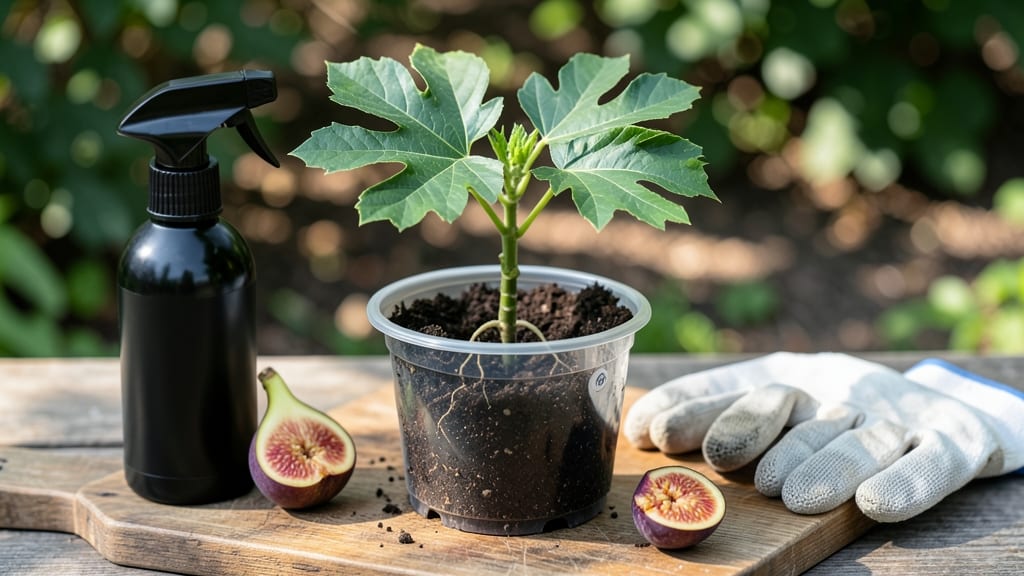
Growing a fig tree from a single fig is easier than you think—no fancy tools or green thumbs required. 🌱 I’ve turned grocery store figs into thriving plants just by following this simple method, and you can too. The key is patience and keeping things moist while roots form.
Start with a ripe, organic fig (the fresher, the better). Remove the stem from the top, dip it in rooting hormone, and place it in water or moist soil.
Within 4-6 weeks, you’ll see tiny roots forming—proof your little cutting is waking up. The whole process feels like watching magic happen in a jar.
Once roots reach 1-2 inches, transplant into well-draining soil and give it bright, indirect light. Your fig tree will grow 6-12 inches in its first year, and by year two, you’ll have a sturdy plant ready for the garden.
The best part? Homegrown figs taste sweeter and ripen months earlier than store-bought.
Common pitfalls? Overwatering (root rot) or too much shade (leggy growth). Keep soil damp but not soggy, and move your cutting to a sunnier spot if it stretches. With these tweaks, your fig tree will thrive—no guesswork needed.
📚 In This Guide
- What you need
- Instructions
- Tips and common mistakes
- Wrapping up and next steps
What you need
- ● 1 ripe fig – Choose a firm, plump fig with a small stem (the "eye") still attached.
- ● 1 small pot (4-6 inches wide) – Use a container with drainage holes.
- ● Well-draining potting mix – A blend of 50% peat or coconut coir, 30% perlite or vermiculite, and 20% compost works best.
- ● Watering can or spray bottle – For gentle hydration.
- ● Plastic wrap or humidity dome – To maintain moisture while roots develop.
- ○ Rooting hormone (optional but helpful) – Speeds up root growth.
- ● Scissors or pruning shears – For trimming the fig stem cleanly.
- ● Small tray or saucer – To catch excess water.
- ● Grow lights or sunny windowsill – Figs need 6+ hours of light daily.
- ● Fertilizer (balanced, low-nitrogen) – Like a 10-10-10 or 5-5-5 blend, diluted to half-strength.
- ○ Mulch (optional) – A thin layer of straw or bark to retain moisture.
Step-by-step instructions for growing a fig tree from a single fig
Here's how I turn a grocery store fig into a thriving tree—no fancy tools or green thumb required.
🌱 Step 1: Select and Prepare Your Fig
Pick a firm, ripe fig that hasn't been refrigerated—cold temperatures damage the potential rooting zone. Look for one with a short stem (about 1-2 inches) still attached. I like to choose figs with a slight curve in the stem, as they tend to have more energy stored for rooting.
Wash the fig gently with water to remove any residue, then pat dry. Using a sharp knife, cut the stem at a 45-degree angle just below a node (that little bump where leaves or roots might grow). This angled cut gives you more surface area for roots to emerge later. Don't worry if it looks messy—we're making space for nature to work its magic.
💧 Step 2: Root the Stem in Water
Fill a clean glass with room-temperature water—tap water works fine, but avoid distilled water, which lacks minerals. Place the cut end of the fig stem into the water, submerging about 1 inch of the stem. The fig won't drown; it just needs moisture to activate root growth.
Change the water every 2-3 days to prevent bacteria buildup. Place the glass in a spot with bright, indirect light—think east-facing window or under a grow light. You'll see tiny white bumps forming along the submerged stem in about 2-3 weeks. These are your roots taking shape! Keep the water level consistent—never let the stem dry out.
☀️ Step 3: Plant the Rooted Stem
Once roots reach about 1-2 inches long, it's time to plant. Fill a 6-inch pot with well-draining potting mix—figs hate soggy feet. Make a hole in the center, then gently place your rooted fig stem in, covering the roots but leaving the top half exposed. Press the soil lightly around the stem to secure it.
Water thoroughly until water runs out the drainage hole, then let the top inch of soil dry out before watering again. Place the pot in a spot with full sun (6+ hours daily), but protect it from harsh afternoon sun for the first week to avoid shock. You'll notice new leaves forming in about 4-6 weeks—that's your sign the tree is settling in.
🌿 Step 4: Care for Your Young Tree
After the first month, fertilize lightly with a balanced, water-soluble fertilizer (half-strength) every 4-6 weeks during the growing season. Figs are heavy feeders but don't overdo it—too much fertilizer burns roots. Water deeply when the top 2 inches of soil feel dry, but never let the soil stay soggy.
When your tree reaches 12-18 inches tall, it's ready for a larger pot or the ground. Figs love warmth and struggle in cold climates, so if you live in a chilly zone, keep it in a container and bring it indoors before frost. With patience, your grocery store fig will grow into a productive tree—just like the one that started this whole process!
Tips & tricks for growing a fig tree from a single fig
A few simple tricks can make all the difference when transforming a grocery store fig into a thriving tree. Here's what I've learned from turning store-bought figs into productive plants.
Selection Tip: Don't overlook the stem length when choosing your fig. The ideal stem should be about 1-2 inches long—this gives you enough working space for rooting while ensuring the fig has enough stored energy. I've found that figs with a slight curve in the stem tend to root more successfully because they've already begun to store energy for growth. If your fig has a longer stem, you can trim it down to this length during preparation.
Rooting Environment: While room-temperature tap water works perfectly for rooting, you can give your fig stem a little extra boost by adding a tiny pinch of cinnamon to the water. Cinnamon has natural antifungal properties that help prevent bacteria buildup between water changes. I start seeing those first white root bumps around 2-3 weeks, but adding cinnamon can help them appear slightly sooner. Just use a very small amount—about 1/8 teaspoon per glass of water—to avoid overwhelming the delicate stem.
Planting Strategy: When it's time to plant your rooted stem, don't be afraid to get your hands a little dirty. Pressing the soil firmly around the stem helps create good contact between roots and soil, which is crucial for establishing a strong foundation. I like to make a small well in the center of my 6-inch pot, place the stem in, and then gently pat the soil around it. This creates a snug fit that helps prevent the stem from shifting during watering. After planting, give it a thorough watering until it drains from the bottom—this helps settle the soil and removes any air pockets around the roots.
Sunlight Transition: The first week after planting is critical for your young fig tree's adjustment to sunlight. While figs eventually need full sun, sudden exposure can shock the delicate new leaves. I recommend placing your pot in a spot that gets bright, indirect light for the first week, then gradually moving it to sunnier locations. This gradual transition helps prevent leaf scorch, which can happen when leaves aren't acclimated to intense sunlight. You'll notice new leaves forming in about 4-6 weeks as your tree settles into its new home.
Pro Tips for Grow A Fig Tree From A Fig
- A few simple tricks can make all the difference when transforming a grocery store fig into a thriving tree. Here's wh...
- Selection Tip: Don't overlook the stem length when choosing your fig. The ideal stem should be about 1-2 inches long—...
- Rooting Environment: While room-temperature tap water works perfectly for rooting, you can give your fig stem a littl...
Frequently asked questions
Got questions about growing a fig tree from a single fig?
You’re not alone! Here are answers to the most common queries to help you succeed—no green thumb required.
Can I grow a fig tree from any fig I buy at the grocery store?
Unfortunately, most store-bought figs are cultivar hybrids (like ‘Black Mission’ or ‘Brown Turkey’) and won’t sprout reliably. For best results, use fresh, organic figs from a local market or homegrown varieties. Look for plump, firm figs with a visible stem end—this is where roots will emerge!
How long does it take for a fig cutting to root and grow into a tree?
Patience is key! Roots typically appear in 4–8 weeks if kept in warm, moist conditions. Once rooted, your cutting may take 1–2 years to mature enough to bear fruit. During this time, focus on providing bright indirect light and consistent watering to speed up growth.
What do I do if my fig cutting rots before roots form?
Rotting is usually caused by overwatering or poor drainage. If you notice mushy stems or foul smells, act fast:
- Remove the cutting from water.
- Trim any blackened or soft tissue with sterilized scissors.
- Let it dry for 1–2 days in a shady spot.
- Repot in fresh, dry perlite or sand to prevent further rot.
Can I grow a fig tree indoors, or does it need to be outside?
Yes! Fig trees thrive indoors near a south-facing window or under grow lights. Just ensure:
- Temperatures stay above 50°F (10°C)—figs hate cold drafts!
- You provide 6+ hours of sunlight daily (a sunny windowsill works).
- You move it outdoors in spring/summer for faster growth.
Will my homegrown fig tree produce fruit the same as the parent plant?
Not always! While your tree may resemble the parent fig, fruit quality can vary due to:
- Pollination differences (some figs are self-pollinating, others need help from wasps or cross-pollination).
- Growing conditions (sunlight, soil, and water affect flavor and size).
Wrapping up and next steps
Growing a fig tree from a single fig is a rewarding journey that connects you to nature’s bounty—and you’ve got all the tools to succeed! 🌱 With patience, the right care, and a little green thumb love, your fig cutting will soon sprout roots and flourish into a lush, fruiting tree.
Whether you’re a beginner or a seasoned gardener, this method proves that great things truly come from small beginnings.
Now that you’re armed with knowledge, take the next step: grab that fig, follow the steps, and watch your garden transform! Share your progress with fellow plant lovers—every new fig tree is a celebration of growth. Happy planting! 🌿✨