
Pruning
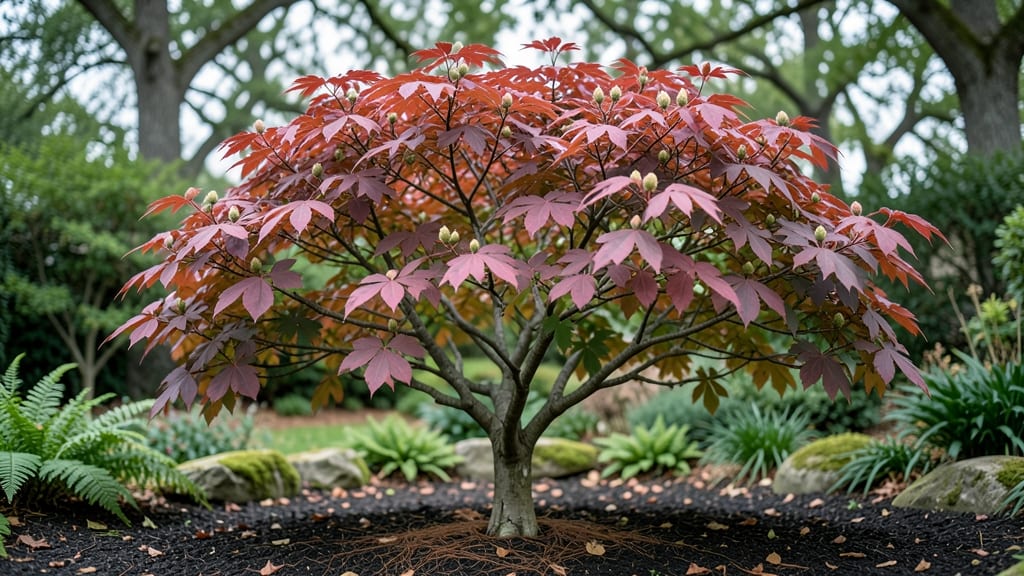
Fall is when your pink dogwood tree puts on its most stunning show—but that vibrant foliage and fruit come with a pruning deadline. ✨ I’ve learned the hard way that waiting too long means winter damage, but trimming too early can stress the tree.
The key is timing: prune in late fall after leaves drop but before hard frost sets in, when the tree’s energy shifts inward for dormancy.
Your goal isn’t just to shape the branches—it’s to encourage next year’s blooms and fruit. Focus on removing dead, crossing, or weak limbs first, then thin out crowded branches to improve airflow.
A sharp bypass pruner makes clean cuts that heal faster, and sterilizing it with rubbing alcohol between cuts prevents disease spread. This is the time to also remove any remaining fruit that didn’t ripen, so the tree doesn’t waste energy on it.
What you’ll end up with is a tree that looks effortlessly elegant in winter and bursts back to life in spring. The strategic cuts now mean fewer surprises later—no sudden dead branches in summer or weak growth when blooming season arrives.
Plus, the open canopy lets sunlight reach the ground, which is great if you’re growing shade-tolerant plants beneath it.
Works for both young trees and mature specimens, though the approach differs slightly. For established trees, prioritize structural health over aesthetics—think long-term strength, not just immediate looks.
And if your dogwood is near a sidewalk or driveway, now’s the time to check for any branches that might become hazards in winter storms.
📚 In This Guide
- What you need
- Instructions
- Tips and common mistakes
- Wrapping up and next steps
What you need
- ● Pruning shears: Bypass pruners (sharp, clean, and 5- to 8-inch blades for precision cuts).
- ● Loppers: For thicker branches (1.5- to 2-inch cutting capacity).
- ● Pruning saw: 8-inch curved-tooth saw for branches over 2 inches in diameter.
- ● Disinfectant: 70% isopropyl alcohol or rubbing alcohol (1 small bottle).
- ● Garden gloves: Cut-resistant (1 pair) to protect your hands.
- ● Ladder: Sturdy, extendable (if your tree exceeds 6 feet).
- ● Trash bags: Heavy-duty, 30-gallon size (2-3 bags) for debris.
- ○ Tree wound dressing (optional but recommended): Pruning sealant (small jar) to prevent disease entry.
- ● Check the weather: Prune on a dry, calm day (avoid rain for 24 hours before/after).
- ● Gather safety gear: Safety glasses (if sawing large branches).
- ● Review your tree’s health: Look for dead, diseased, or crossing branches to target first.
Instructions for pruning a pink dogwood tree in fall
Here's how to give your tree a healthy start for next season.
✂️ Step 1: Assess the Tree and Remove Dead or Diseased Branches
Start by examining every branch carefully. Look for limbs that are completely brown and brittle—these are dead and need removal. Diseased branches often have discolored bark, oozing sap, or fungal growth. Use sharp pruning shears to cut these branches back to a healthy bud or branch collar, making clean cuts at a 45-degree angle to prevent water from pooling.
I always work from the bottom up, removing the lowest branches first. This makes it easier to see what's left and prevents accidentally cutting off healthy branches that are hidden behind dead ones. If a branch is larger than ½ inch in diameter, use a pruning saw instead of shears to avoid tearing the bark.
✂️ Step 2: Thin Out Crowded Branches for Better Airflow
Pink dogwoods grow best when they have good airflow around their branches. Look for areas where branches are growing too close together or crossing each other. These crowded spots can trap moisture, leading to disease. Select the weaker of the two branches and cut it back to the main trunk or a larger branch, always cutting just outside the branch collar.
I focus on removing branches that grow inward toward the center of the tree. This opens up the canopy and lets sunlight reach the inner branches, which encourages more blooms next spring. Never remove more than 25% of the tree's foliage in one season—this can stress the tree and reduce its ability to flower.
☀️ Step 3: Shape the Tree and Encourage Strong Growth
Now it's time to shape the tree to maintain its natural form. Pink dogwoods have a beautiful, rounded shape, so I aim to preserve that silhouette. Look for branches that are growing in odd directions or spoiling the tree's symmetry. Cut these back to a lateral branch or bud that will grow in a more pleasing direction.
Pay special attention to the lower branches. If they're too dense, they can block sunlight from reaching the ground below. Removing a few of these allows sunlight to reach the base of the tree, which can encourage new growth and make it easier to care for the area around it. Always step back occasionally to check your progress—this helps you see the tree as a whole rather than focusing on individual branches.
🌿 Step 4: Prune for Next Season’s Blooms and Health
Pink dogwoods bloom on old wood, meaning the flowers form on branches that grew the previous season. To encourage the best blooms next year, avoid heavy pruning of the outer branches where the flowers will develop. Instead, focus on removing only the dead, diseased, or crossing branches you identified earlier. This keeps the tree healthy without sacrificing next season’s stunning pink flowers.
After pruning, clean up all the debris from the ground. This helps prevent pests and diseases from overwintering in the fallen branches. I also like to apply a thin layer of mulch around the base of the tree, keeping it 2-3 inches deep and 3 inches away from the trunk. This protects the roots from freezing temperatures and retains moisture for the tree.
⏰ Step 5: Time Your Pruning for Fall Success
Fall is the ideal time to prune pink dogwoods because it allows the tree to heal before winter. Aim to finish pruning 4-6 weeks before the first hard frost in your area. This gives the tree enough time to seal its wounds and prepare for dormancy. Avoid pruning in late fall or winter, as the tree is less able to heal and more susceptible to disease.
If you notice any large wounds after pruning, you can apply a wound dressing to protect them. However, I’ve found that dogwoods heal well on their own, so I only use dressing for very large cuts. Water the tree deeply after pruning to help it recover and encourage new root growth before winter sets in.
Tips & tricks for pruning a pink dogwood tree in fall
Here’s what I’ve learned after years of pruning these beautiful trees—details that make all the difference between a healthy dogwood and one that struggles.
Tool Prep: Always sterilize your pruning shears and saw with rubbing alcohol between cuts, especially when removing diseased branches. I learned this the hard way after accidentally spreading fungal spores to healthy branches. Sharp tools also make cleaner cuts that heal faster—dull blades tear bark, creating larger wounds that invite infection.
Branch Selection Strategy: In Step 2, when thinning crowded branches, focus on removing those that grow inward or downward. These branches compete with others for sunlight and nutrients, weakening the tree over time. I’ve noticed that after removing just 10-15% of the foliage (within the 25% guideline), the remaining branches grow stronger and produce more vibrant pink blooms the following spring.
Mulching Wisdom: After pruning, spread that 2-3 inch layer of mulch in a ring around the trunk, but keep it 3 inches away to prevent rot. I’ve found that adding a slow-release fertilizer to the mulch right after pruning gives the tree an extra boost before winter. The key is to water it in well so the nutrients reach the roots.
Seasonal Timing: The 4-6 week window before hard frost is critical—this gives the tree time to callus over wounds before dormancy. If you’re in a region with unpredictable weather, check your local frost dates and plan accordingly. I always mark my calendar 6 weeks before the average first frost to ensure I finish on time.
Pro Tips for Pink Dogwood Tree In Fall
- Here’s what I’ve learned after years of pruning these beautiful trees—details that make all the difference between a healthy dogwood and one that struggles.
- Tool Prep: Always sterilize your pruning shears and saw with rubbing alcohol between cuts, especially when removing diseased branches.
- Branch Selection Strategy: In Step 2, when thinning crowded branches, focus on removing those that grow inward or downward.
Frequently asked questions
about pruning your pink dogwood tree in fall—because even pros need a little clarity!When is the absolute latest I can prune my pink dogwood in fall?
Prune your pink dogwood before the first hard frost (usually by late November in most U.S. zones), but avoid cutting too late—dormant pruning after mid-winter (Dec–Feb) risks winter dieback. If you miss fall, wait until early spring (March–April) before buds swell. Pro tip: Check your local frost dates to avoid cutting into dormancy!
Will pruning in fall hurt my pink dogwood’s flowers next spring?
No—fall pruning actually boosts next year’s blooms! Pink dogwoods flower on old wood, so removing dead/diseased branches now won’t affect spring flowers. Just avoid heavy pruning (over 25% of the canopy) in one season. Key: Focus on shaping and removing suckers to redirect energy to vibrant blooms!
Can I prune my pink dogwood if it’s diseased? What should I do?
Yes, but sanitize your tools first! Use 70% rubbing alcohol or a 10% bleach solution to kill pathogens. Prune out all infected branches (look for oozing, discolored bark, or fungal spots) and dispose of them in a sealed bag. Avoid pruning during wet weather to prevent spreading spores. Warning: If powdery mildew or anthracnose is severe, consult an arborist.
What’s the best way to prune a young pink dogwood (under 5 years old)?
For young trees, focus on structure:
- Remove only dead, crossing, or rubbing branches.
- Avoid “lion’s tailing” (cutting back to stubs)—prune just above a bud or branch collar.
- Thin the canopy by 10–15% to improve airflow and reduce disease risk.
Are there alternatives if my pink dogwood’s leaves turn brown in fall?
Brown fall leaves are normal, but if they’re prematurely dropping or accompanied by wilting, check for:
- Underwatering (dogwoods hate dry soil—water deeply 1–2x/week in fall).
- Fungal issues (like powdery mildew—treat with neem oil if confirmed).
- Root stress (from compacted soil or construction—amend soil with compost).
Wrapping up and next steps
The pink dogwood tree in fall is a stunning sight, but its beauty thrives on the care you give it—especially through strategic pruning! By trimming in the cooler months, you’re not just shaping its growth; you’re ensuring vibrant blooms and robust health for years to come. 🌸
Now that you’re armed with the when, how, and why of fall pruning, it’s time to roll up your sleeves and give your tree the TLC it deserves. Grab your tools, follow the steps, and watch your pink dogwood shine brighter than ever! Ready to transform your yard into a fall masterpiece? Check out our pruning checklist to stay on track.