
Trees
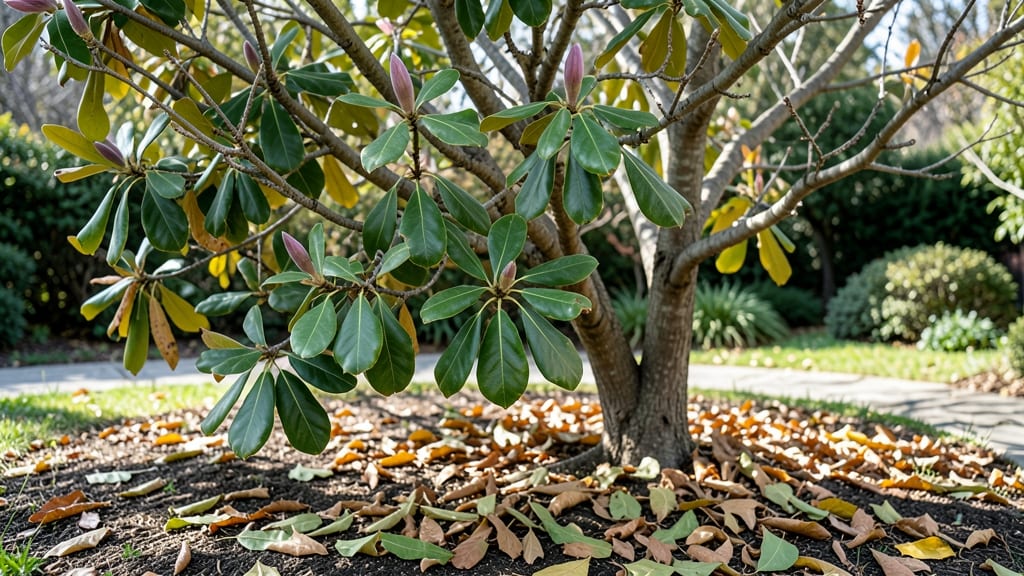
When your magnolia tree’s leaves start falling off like autumn leaves in May, it’s not just a cosmetic issue—it’s a cry for help. 🌿 I’ve seen this happen after a particularly wet spring, and the culprit was often something fixable: fungal diseases, pests, or even simple environmental stress.
The key is catching it early, because once those leaves are gone, the tree’s energy plummets.
Most of the time, the problem boils down to five common causes: anthracnose (that dark, velvety fungus), spider mites hiding on the undersides of leaves, sudden temperature swings, nutrient deficiencies, or even overwatering.
Each one leaves its own clues—like brown spots for anthracnose or yellowing edges for mites—so the first step is examining the leaves closely. No microscope needed; just your eyes and a little patience.
Once you’ve identified the issue, the fixes are straightforward: prune affected branches, apply neem oil for pests, or adjust your watering schedule. I’ve restored trees that looked hopeless in just a few weeks by tackling the root cause—sometimes literally.
The goal isn’t just to stop the leaf drop but to get your magnolia back to its glossy, vibrant self by next season.
Here’s the thing—magnolias are tougher than they look. With the right care, they bounce back faster than you’d expect. Let’s get your tree back to thriving, because a healthy magnolia isn’t just beautiful—it’s a statement piece for your landscape.
And trust me, you’ll want to show off those big, fragrant blooms again.
Root Causes Behind Leaf Loss
Understanding why your magnolia tree’s leaves are falling off starts with identifying the underlying stressor. These trees are generally resilient, but when their leaves drop prematurely, it’s usually a sign of environmental, biological, or physiological distress.
Below, we break down the five most common culprits—each with a clear scientific explanation and actionable insights to help you diagnose the issue.
Magnolias thrive in USDA Hardiness Zones 4–9, but sudden temperature swings—especially late frosts after bud break or heatwaves—can shock the tree. When temperatures drop below 28°F (-2°C) after buds form, flower and leaf buds may blacken and desiccate, causing leaves to curl and fall.
Conversely, prolonged heat above 90°F (32°C) can scorch leaves, leading to premature drop.
Why it happens:
- Cold damage: Ice crystals form in leaf cells, rupturing membranes and triggering abscission (the natural process of leaf shedding).
- Heat stress: High temperatures increase transpiration rates, drying out leaves faster than roots can replenish moisture.
- Sunburn: Young, tender leaves lack protective pigments and can bleach or crisp under intense midday sun.
Actionable fix:
- Mulch heavily (3–4 inches of organic mulch) to regulate soil temperature.
- Water deeply during heatwaves (1–1.5 inches per week) to reduce stress.
- Use shade cloth (30–50% coverage) if planting in hot, exposed areas.
Magnolias have shallow but extensive root systems that hate waterlogged soil or drought stress. Both extremes disrupt nutrient uptake and photosynthesis, leading to chlorosis (yellowing) and leaf drop.
Why it happens:
- Overwatering: Soggy soil deprives roots of oxygen, causing root rot (often from Phytophthora fungi). The tree prioritizes root health over leaves, shedding them to conserve energy.
- Underwatering: Dry soil triggers wilting, and if prolonged, leaves abscise to prevent further moisture loss.
- Salt buildup: Over-fertilizing or using hard water for irrigation can create salinized soil, poisoning roots.
Actionable fix:
- Test soil moisture before watering—stick your finger 2–3 inches deep; if dry, water slowly until soil is moist 6 inches down.
- Improve drainage by amending clay soil with compost or sand.
- Avoid overhead watering to prevent fungal diseases (like Botrytis) that thrive in damp leaves.
Magnolias are susceptible to sap-sucking insects and fungal pathogens, both of which weaken the tree and cause defoliation.
Pests:
- Magnolia Scale (Neolecanium cornuparvum): These armored scale insects suck sap, causing sticky honeydew and sooty mold (a black fungal growth). Infested leaves yellow, curl, and drop.
- Webworms (Family: Crambidae): Larvae strip leaves, leaving only veins.
Heavy infestations can defoliate branches entirely. - Japanese Beetles: Adults skeletonize leaves, reducing photosynthesis and forcing early leaf drop.
Diseases:
- Anthracnose (Colletotrichum spp.): A fungal leaf spot that thrives in wet, humid conditions. Leaves develop target-like lesions, turn brown, and fall prematurely.
- Powdery Mildew (Oidium spp.): Creates a white, powdery coating on leaves, blocking sunlight and causing premature abscission.
Actionable fix:
- Prune and destroy heavily infested leaves (bag and dispose of them).
- Apply horticultural oil (for scale) or neem oil (for webworms) before buds swell in early spring.
- Fungicide sprays (copper-based or myclobutanil) can treat anthracnose; apply at bud break and after rains.
- Encourage beneficial insects (ladybugs, lacewings) by planting companion flowers like alyssum or dill.
Magnolias are heavy feeders and require balanced nutrients for leaf retention. Deficiencies or excesses in key elements can trigger chlorosis, stunted growth, and leaf drop.
| Nutrient Issue | Symptoms | Cause | Solution |
|---|---|---|---|
| Iron (Fe) Deficiency | Yellowing between veins (chlorosis) | Alkaline soil (pH > 7.0) locks out iron. | Apply chelated iron or acidify soil with sulfur. |
| Nitrogen (N) Deficiency | Pale green/yellow entire leaves | Poor soil or over-pruning. | Slow-release fertilizer (10-10-10) in spring. |
| Magnesium (Mg) Deficiency | Yellow edges with green veins | Over-fertilizing with high potassium. | Epsom salt spray (1 tbsp/gallon water) or dolomitic lime. |
| Boron (B) Toxicity | Brown, crispy leaf edges | Over-application of boron supplements. | Flush soil with water; avoid boron treatments. |
Actionable fix:
- Test soil pH (ideal: 5.5–6.5 for magnolias). Adjust with elemental sulfur (to lower pH) or lime (to raise pH).
- Avoid high-salt fertilizers; opt for organic matter (compost, worm castings) instead.
- Mulch with pine needles (acidifying) if your soil is alkaline.
Magnolias hate aggressive pruning, especially during active growth phases. Poor cuts or mechanical damage can stress the tree, leading to leaf drop.
Why it happens:
- Pruning at the wrong time: Cutting in late summer/fall encourages new growth that won’t harden before winter, making leaves vulnerable to frost.
- Over-pruning: Removing >25% of foliage in one season disrupts photosynthesis, forcing the tree to shed leaves to survive.
- Improper cuts: Topping (cutting back to a stub) or shearing creates weak growth points prone to disease.
- Lawnmower/string trimmer damage: Girdling roots (ringing the trunk with cuts) strangles the tree, causing wilting and leaf drop.
Actionable fix:
- Prune only in late winter/early spring (before buds swell).
- Use sharp, clean tools to make 45° cuts just above a bud or branch collar.
- Avoid "thinning out" too much—remove only dead, diseased, or crossing branches.
- Protect the trunk with mulch or a guard to prevent mower damage.
How to Fix Dropping Magnolia Leaves
Now that you’ve identified why your magnolia tree’s leaves are falling off, it’s time to take action! Below are practical, step-by-step solutions tailored to each cause—plus tips to keep your tree healthy long-term. 🌿💪
Problem: Leaves drop when magnolias struggle with extreme conditions. Solution: Adjust care to reduce stress and restore balance.
💧 Step 1: Water Deeply and Consistently
- How: Water deeply 1–2 times per week (not daily shallow watering) to encourage strong root growth.
- When: Early morning or late evening to minimize evaporation.
- How much? Aim for 1–1.5 inches of water per week (check soil moisture 2–3 inches down—if dry, water more).
- Pro tip: 🌡️ Mulch heavily (3–4 inches of organic mulch like pine straw or shredded bark) to retain moisture and regulate soil temperature.
🌿 Step 2: Provide Shade During Heatwaves
- How: If your tree is in full sun, temporarily shade it (use shade cloth or move potted magnolias to a shadier spot) during prolonged heatwaves (90°F+).
- Alternative: Plant fast-growing shade trees (like crape myrtles) nearby for long-term relief.
💨 Step 3: Protect from Wind Damage
- How: If wind is the culprit, plant windbreaks (like bamboo or evergreen shrubs) on the exposed side.
- For potted magnolias: Move them to a sheltered spot (e.g., against a wall or fence) during storms.
✨ Prevention Tips:
- Choose the right location: Magnolias thrive in partial shade (especially in hot climates). Avoid planting them in scorching afternoon sun.
- Test soil moisture: Use a soil moisture meter to track watering needs accurately.
Problem: Pests suck sap, weaken leaves, and cause premature drop. Solution: Remove pests mechanically and chemically for a swift recovery.
🔪 Step 1: Blast Off Pests with Water
- How: Use a strong hose spray (40 PSI+) to dislodge scale insects and Japanese beetles from leaves and branches.
- When: Early morning or evening to avoid shocking the tree.
- Frequency: Repeat every 3–5 days until pests are gone.
🧴 Step 2: Apply Horticultural Oil or Insecticidal Soap
- Best for: Scale, spider mites, and aphids.
- How to apply: 1. Choose a calm, cloudy day (avoid direct sun—it can burn leaves). 2. Mix 2.5% horticultural oil or insecticidal soap with water (follow label rates).
- Spray thoroughly (top and bottom of leaves) until glossy wet.
- Reapply every 7–10 days for severe infestations. - Pro tip: 🌿 Add neem oil (1 tsp per gallon of water) for extra pest-deterrent properties.
🐞 Step 3: Handpick Japanese Beetles
- How: Fill a bucket with soapy water, then shake beetles off branches into the bucket (wear gloves!).
- Best time: Early morning when beetles are sluggish.
- Alternative: Use milky spore powder (organic) to reduce beetle populations long-term.
🛡️ Prevention Tips:
- Encourage natural predators: Plant dill, fennel, or marigolds nearby to attract ladybugs and parasitic wasps.
- Inspect regularly: Check for pests weekly during spring/summer (use a magnifying glass for tiny mites).
- Avoid over-fertilizing: Too much nitrogen attracts pests—stick to a balanced 10-10-10 fertilizer in early spring.
Problem: Fungal diseases clog pores, causing leaves to yellow and drop. Solution: Improve airflow, apply fungicides, and clean up debris.
🌬️ Step 1: Prune for Better Airflow
- How: Remove crossing branches, dead wood, and dense foliage to reduce humidity around the tree.
- When: Late winter or early spring (before new growth).
- Tool tip: Use sterilized pruners (wipe with rubbing alcohol) to avoid spreading disease.
🍄 Step 2: Apply Fungicide
- Best fungicides for magnolias:
- Neem oil (preventative) – Mix 1 tbsp per gallon of water, spray every 10–14 days.
- Copper fungicide (for anthracnose) – Follow label instructions.
- Baking soda spray (organic) – Mix 1 tbsp baking soda + 1 tsp oil + 1 gallon water + a drop of dish soap.
- When to apply: At first sign of fungus (white powdery spots or dark lesions) and every 7–10 days until cured.
🧹 Step 3: Clean Up Debris
- How: Remove fallen leaves, twigs, and mulch from the base of the tree (fungi thrive in damp debris).
- Pro tip: 🔥 Solarize the area (cover soil with clear plastic for 4–6 weeks in summer) to kill fungal spores.
🌱 Prevention Tips:
- Space trees properly: Plant magnolias at least 15–20 feet apart to prevent overcrowding.
- Water at the base: Avoid wetting leaves (use drip irrigation or soaker hoses).
- Choose resistant varieties: Some magnolias (like ‘Little Gem’ or ‘Ann’) are less prone to fungal diseases.
Problem: Yellowing leaves (chlorosis) signal a lack of essential nutrients. Solution: Test soil and apply targeted fertilizers for a quick fix.
📊 Step 1: Test Your Soil
- How: Use a home soil test kit (or send a sample to a local extension office).
- What to look for:
- pH level (magnolias prefer 5.0–6.5).
- N-P-K levels (nitrogen, phosphorus, potassium).
- Micronutrients (iron, magnesium, manganese).
💪 Step 2: Apply the Right Fertilizer
| Issue | Symptoms | Solution |
|---|---|---|
| Iron deficiency | Yellow leaves with green veins | Apply chelated iron (spray or soil drench) or iron sulfate granules. |
| Nitrogen deficiency | Pale green/yellow leaves, stunted growth | Use slow-release nitrogen fertilizer (like blood meal or fish emulsion). |
| Magnesium deficiency | Yellow patches between leaf veins | Apply Epsom salt (1 tbsp per gallon of water, spray foliage). |
- When to fertilize: Early spring (before new growth) and mid-summer (for a second boost).
- Pro tip: 🌡️ Avoid fertilizing in extreme heat—it can burn roots.
🌱 Prevention Tips:
- Mulch annually: Adds organic matter and slowly releases nutrients.
- Use compost tea: Boosts microbial activity in soil for better nutrient uptake.
- Avoid over-fertilizing: Too much salt (from fertilizers) can harm roots—follow package rates.
Problem: Shock from moving or restricted roots causes leaf drop. Solution: Give the tree time to recover with proper aftercare.
🌱 Step 1: Prune Damaged Roots (If Recently Transplanted)
- How: If roots were
Frequently asked questions
Why do magnolia leaves turn brown before falling off?
Brown leaves usually signal fungal diseases like anthracose or environmental stress from heat/sunburn. Check for dark spots (anthracose) or crispy edges (sun damage). Prune affected branches immediately and apply fungicide if needed.
Can I save my magnolia if half its leaves are already gone?
Yes! Focus on watering deeply (1-1.5 inches weekly) and reducing stress by mulching (3-4 inches). If pests/disease caused the drop, treat with neem oil or copper fungicide. Most magnolias recover well if roots stay healthy.
How do I tell if my magnolia has scale insects vs. fungal disease?
Look closely: Scale insects appear as small bumps or white cottony masses on stems/leaves, often with sticky honeydew. Fungal diseases show as powdery white coatings (mildew) or dark brown spots (anthracose). Use a magnifying glass if needed!
Is it normal for magnolias to lose leaves in early spring?
Not usually! While some natural leaf drop occurs, excessive shedding in spring often means late frost damage or nutrient deficiency. Protect young leaves with frost cloth if frost is forecasted, and fertilize with balanced 10-10-10 in early spring.
How often should I fertilize a magnolia with dropping leaves?
Fertilize only twice a year: early spring (before buds swell) and mid-summer (after leaf drop). Use slow-release fertilizer (like 10-10-10) and avoid high-nitrogen products that attract pests. Always water thoroughly after applying!