
Pruning
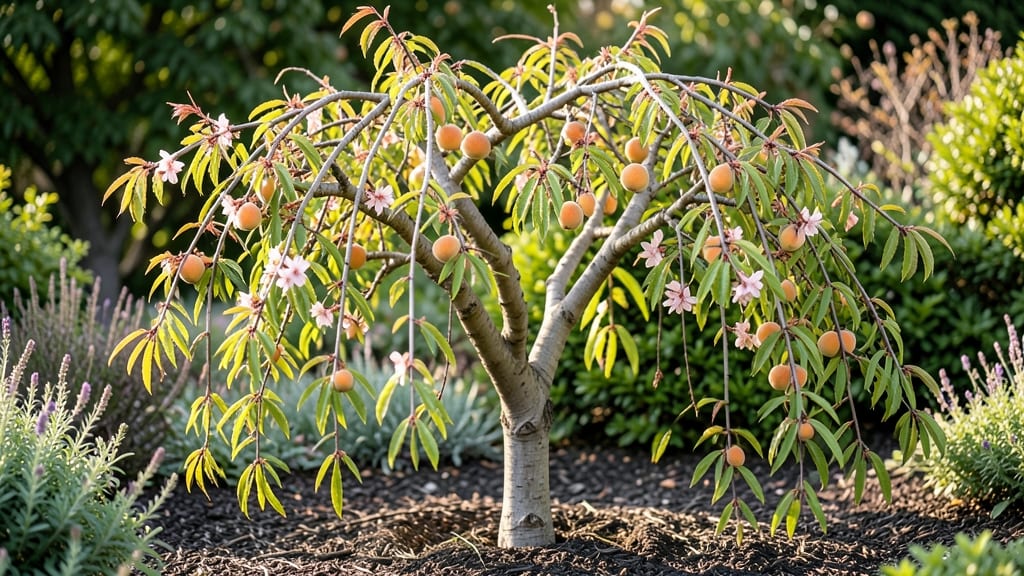
Browse weeping peach tree images to see how these living watercolor paintings transform any garden. Their graceful branches spill like silk ribbons, creating a focal point that feels both wild and refined—perfect for turning a plain backyard into a showstopper.
The real magic happens when you place them near patios or pathways, where their cascading blooms frame every step. In spring, pink blossoms shower the ground, while summer’s lush foliage provides shade.
Pair them with lavender for contrast or boxwoods for structure, and you’ve got a scene straight out of a garden magazine. What makes them special is their year-round interest: winter’s bare branches create delicate silhouettes, while new growth in spring feels like a fresh start.
They’re not just trees—they’re living art installations that evolve with the seasons. For best results, plant them where they’ll get 6+ hours of sun and have room to spread their dramatic branches. Urban gardens? No problem. Formal landscapes? Even better.
Here’s how to make them the star of your outdoor space.
📚 In This Guide
- What you need
- Instructions
- Tips and common mistakes
- Wrapping up and next steps
What you need
- ● Pruning shears: Bypass shears (sharp, 6-8" blade) – for clean cuts on small branches.
- ● Loppers: 10-14" bypass or anvil type – for thicker branches (up to 2" diameter).
- ● Pruning saw: Curved blade, 8-10" – for stubborn, larger limbs.
- ● Gloves: Heavy-duty, cut-resistant – protects hands from thorns and rough bark.
- ● Disinfectant: 70% isopropyl alcohol or 10% bleach solution – sterilizes tools between cuts.
- ● Rubbing alcohol (70%): Small bottle – for quick tool cleaning in the field.
- ○ Pruning sealant: Optional, latex-based – helps prevent disease on large cuts.
- ● Ladder or step stool: Stable, 6-8 ft tall – for high branches (safety first!).
- ● Trash bags: Heavy-duty, 30-gallon – for collecting pruned branches.
- ● Notebook & pen: – to sketch your pruning plan or mark cuts.
- ● Extension pole pruners: – for hard-to-reach branches without a ladder.
- ● Tree wound dressing: – Controversial but some gardeners swear by it for extra protection.
- ● Camera or phone: – capture your before-and-after weeping peach tree images for inspiration!
- ● Pruning rope or twine: – temporarily supports branches during heavy pruning.
How to create a stunning weeping peach tree display
Transform your landscape with these cascading peach trees that blend fruit production with artistic flair.
Choose the Right Location for Maximum Impact
Select a spot with full sun exposure (6-8 hours daily) and well-draining soil. Weeping peach trees need room to spread their dramatic branches—plan for at least 15 feet of space between trees or structures. I always check the mature height (typically 12-15 feet) to ensure it fits your design vision.
Sheltered locations protect the delicate branches from harsh winds that can break them. If planting near a patio or deck, position it where the cascading branches will frame seating areas beautifully. The tree's natural weeping habit makes it perfect for creating living privacy screens or focal points in garden rooms.
Prepare the Planting Site for Optimal Growth
Dig a hole twice as wide as the root ball but no deeper. Weeping peach trees appreciate loose, fertile soil with good drainage—amend heavy clay with 2-3 inches of compost mixed into the native soil. The tree's unique growth habit means it needs consistent moisture without waterlogging.
Create a small mound in the center of the hole to position the root flare (where roots meet trunk) slightly above ground level. This prevents water from pooling around the trunk. Gently loosen the roots if they're circling before placing the tree in the hole. Backfill with native soil mixed with compost, tamping lightly as you go.
Plant and Stake for Support
Place the tree in the hole and spread roots evenly in all directions. Fill the hole with the remaining soil mixture, pressing firmly to eliminate air pockets. Water thoroughly to settle the soil around the roots. Weeping peach trees need staking for the first 1-2 years to support their heavy, cascading branches.
Use 2-3 stakes positioned 6-8 inches from the trunk at a 45-degree angle. Attach them with flexible ties (not wire) to allow for trunk movement. The goal is to prevent wind rock while letting the tree develop natural strength. Mulch around the base with 2-3 inches of organic mulch, keeping it 2 inches away from the trunk to prevent rot.
Prune and Train for Dramatic Form
Prune in late winter before buds swell to shape the tree's weeping habit. Remove any upright-growing branches that disrupt the cascading effect. Make cuts just outside the branch collar at a 45-degree angle. The tree's natural growth pattern will create the artistic, flowing branches you're after.
During the first growing season, focus on developing the main scaffold branches. Select 3-4 well-spaced branches to form the primary structure, removing competing growth. This early pruning establishes the tree's signature weeping form while maintaining its fruit production potential. Regular pruning keeps the branches flexible and encourages that artistic cascade.
Maintain Through the Seasons
Water deeply 1-2 times per week during the first growing season, then taper to 1 inch per week once established. Weeping peach trees need consistent moisture to support their extensive canopy. Apply a 2-3 inch layer of mulch annually to retain moisture and regulate soil temperature.
Fertilize in early spring with a balanced 10-10-10 formula at half strength. The tree's unique growth habit means it needs regular feeding to maintain both its artistic form and fruit production. Watch for signs of stress like leaf curl or fruit drop—these often indicate either water issues or nutrient deficiencies that need immediate attention.
Tips & tricks for perfect weeping peach tree displays
Here's what nobody tells you about getting those dreamy, cascading branches that look like living art.
Location is Everything: That 6-8 hours of full sun isn't just a suggestion—it's non-negotiable for those dramatic branches. If your spot gets less light, you'll end up with sparse growth and fewer peaches. I've seen weeping peach trees in partial shade develop weak, leggy branches that lose their artistic form. For maximum impact, position your tree where it gets morning sun and afternoon shade if you're in a hot climate. The cascading effect will be far more pronounced with proper light exposure.
Pruning Secrets: When you're pruning in late winter to shape those branches, focus on the 45-degree angle cuts—this isn't just about aesthetics, it's about how the tree heals. I've learned the hard way that vertical cuts can invite disease. Also, don't be afraid to be aggressive with upright-growing branches—they'll compete with your desired weeping form. Aim to remove about 20-30% of the tree's growth each year to maintain that artistic cascade while keeping it healthy.
Staking Strategy: Those 1-2 years of staking might seem like a hassle, but they're crucial for developing the tree's signature form. I recommend using three stakes positioned at 45-degree angles rather than two—this provides better support for the heavy, cascading branches. The flexible ties are worth the investment over wire, which can cut into the bark as the tree grows. Remember to check the ties every few months and loosen them if they're too tight, allowing the trunk to sway slightly with the wind.
Watering Wisdom: The 1-2 times per week during the first year isn't just about quantity—it's about technique. Water deeply at the base, not overhead, to encourage strong root development. I've found that using a soaker hose for about 30 minutes once or twice a week works better than quick sprinkles. And that 1 inch per week for established trees? Measure it with a rain gauge—your eye can easily overestimate how much water your tree is actually getting, especially in sandy soils.
Pro Tips for Weeping Peach Tree Images
- Here's what nobody tells you about getting those dreamy, cascading branches that look like living art.
- Location is Everything: That 6-8 hours of full sun isn't just a suggestion—it's non-negotiable for those dramatic bra...
- Pruning Secrets: When you're pruning in late winter to shape those branches, focus on the 45-degree angle cuts—this i...
Frequently asked questions
about weeping peach trees—because even the most stunning cascading branches come with questions! Here’s what you need to know:What’s the best time to prune a weeping peach tree for optimal growth?
Prune your weeping peach tree in late winter or early spring (before buds swell) to encourage healthy growth. Avoid heavy pruning in fall, as it can stimulate new growth that’s vulnerable to frost. Light shaping can happen anytime, but major cuts should wait for dormancy. Pro tip: Wear gloves—those thorns don’t play nice!
Why are my weeping peach tree’s branches drooping even when it’s not pruned?
Drooping branches can signal overwatering, root rot, or pest damage. Check soil moisture (it should be slightly dry between waterings) and inspect for signs of borers or aphids. If the tree is young, it might just need staking until roots establish. Troubleshoot: Trim only dead/diseased branches and adjust care to revive it!
Can I train a regular peach tree to grow in a weeping style?
Yes! Start with a young peach tree and selectively prune the strongest upward-growing branches to encourage horizontal growth. Use weights or stakes to guide branches downward over time. Patience is key—it may take 2–3 years to achieve a dramatic weeping shape. Alternative: Graft a weeping cultivar onto a standard rootstock for faster results.
How do I take the best photos of my weeping peach tree’s branches?
Capture the drama with these tips:
- Golden hour: Shoot at sunrise/sunset for soft, flattering light.
- Low angles: Kneel or lie down to emphasize the cascading effect.
- Macro mode: Zoom in on blossoms or bark texture for detail.
- Edit lightly: Boost contrast and warmth in post-processing for a painterly look.
Are weeping peach trees cold-hardy, or do they need extra winter protection?
Most weeping peach trees thrive in USDA Zones 5–9, but young trees or extreme winters may need help. Mulch the base with straw or wood chips (3–4 inches) and wrap the trunk with burlap if temps drop below 10°F. Avoid heavy pruning in late winter if frost is forecasted. Watch for: Bud damage—prune back affected areas in spring.
Wrapping up and next steps
The weeping peach tree isn’t just a stunning landscape feature—it’s a masterpiece of nature’s artistry, with its cascading branches and delicate blooms. Whether you’re captivated by its ethereal beauty or inspired to prune one yourself, remember: patience and precision are key to nurturing its graceful form. 🌸
Ready to bring this dramatic elegance to your garden? Start by reviewing your tools and sketching your vision—then roll up your sleeves and get pruning! Your future self (and your tree) will thank you.