
Pruning
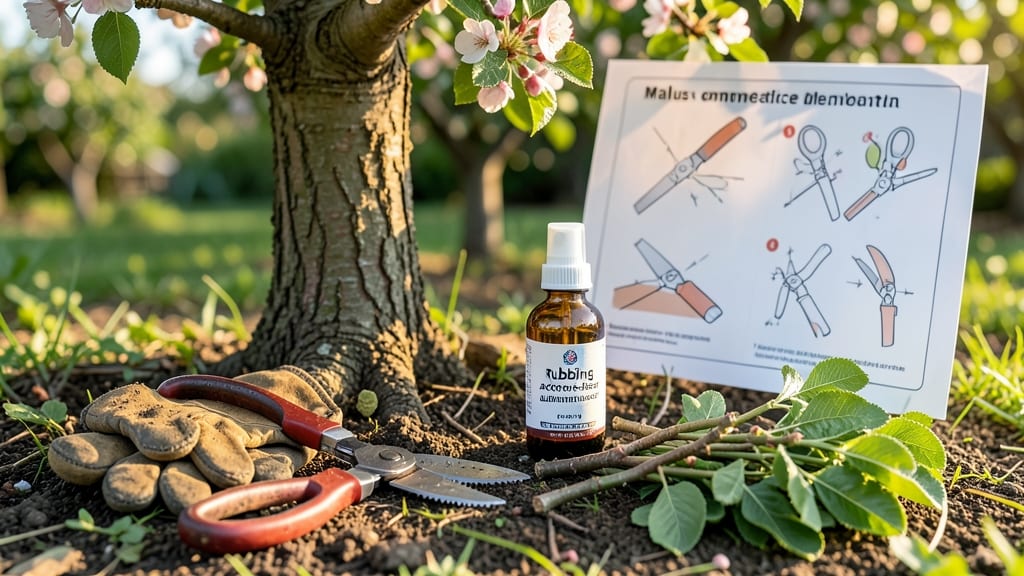
Trimming apple tree branches at the right time boosts fruit production and keeps your 🍎 tree healthy and strong.
Picture this: You’ve spent years nurturing your apple tree, only to watch it produce sparse fruit—or worse, struggle with weak branches. The secret isn’t just how you prune; it’s when. Cutting at the wrong time can stress the tree, invite disease, or even reduce next year’s harvest.
But get the timing right, and you’ll unlock stronger growth, better airflow, and a bounty of apples.
Most gardeners focus on pruning in late winter or early spring, when the tree is dormant—but there’s more to it. Regional climate, branch health, and even the tree’s age play a role.
In USDA Zone 6a, for example, late winter (February-March) is ideal, but summer trimming can also help manage growth. Below, I’ll break down the best windows, tools, and techniques to prune like a pro—so you can avoid common mistakes and set your tree up for success.
Ready to transform your orchard? You’ll learn how to identify the perfect pruning moment, what tools to use, and step-by-step methods to shape your tree for maximum fruit. Let’s get started.
Best times to trim apple tree branches by season (dormant vs. growing season)
Timing your apple tree pruning correctly can mean the difference between a bountiful harvest and a struggling orchard. Most gardeners focus on dormant season pruning—and for good reason—but summer trimming also plays a crucial role in shaping your tree.
The key is understanding when your apple tree is most vulnerable and when it can recover fastest.
Apple trees enter dormancy when temperatures drop below 40°F (4°C), typically in late fall or winter. This is the safest time to remove deadwood, crossing branches, and reshape your tree.
However, summer pruning helps control water sprouts and improve airflow, reducing disease risk. Let's break down the best times for each approach.
🌱 CLIMATE MATTERS: In warmer regions (USDA zones 8-10), apple trees may not fully dormate, so prune in late winter (February-March) to avoid spring frost damage. In colder zones (4-7), wait until late winter when frost risk has passed.
| Pruning Window | Best Time | Primary Goals | Climate Adjustments | Signs to Look For |
|---|---|---|---|---|
| Dormant Season | Late winter to early spring (Feb-Mar) | Remove deadwood, crossing branches, and reshape tree | Warmer zones: Feb-Mar; colder zones: wait until frost risk passes | Leafless branches, bud swell, no frost risk |
| Summer Pruning | June-July (after harvest) | Control water sprouts, improve airflow, reduce disease | Avoid pruning in extreme heat or drought | New growth, water sprouts, crowded branches |
| Fall Pruning | September-October (limited) | Remove only diseased wood; avoid heavy pruning | Stop pruning 6 weeks before first frost | Diseased branches, minimal new growth |
Dormant season pruning—typically in late winter—is when most gardeners focus their efforts. This is when your apple tree is leafless and fully dormant, making it easier to see the tree's structure.
The goal is to remove dead, diseased, or crossing branches while shaping the tree for optimal fruit production.
Look for bud swell as a key indicator that your tree is ready for pruning. This happens when buds begin to plump up in late winter, signaling the tree is nearing active growth. In colder climates, wait until after the last frost to avoid damaging new growth.
Summer pruning, often overlooked, helps control water sprouts—those fast-growing, vertical shoots that steal energy from fruit production. Prune these in June-July after harvest to improve airflow and sunlight penetration, reducing disease risk like apple scab. Avoid heavy pruning during summer heat.
In fall, limit pruning to only removing diseased wood. Heavy fall pruning can stimulate new growth that won’t harden off before winter, making it more vulnerable to frost damage. Stop pruning at least 6 weeks before the first frost to give your tree time to recover.
Regional adjustments are critical. In warmer climates (USDA zones 8-10), apple trees may not fully dormate, so prune in late winter to avoid spring frost damage. In colder zones (4-7), wait until late winter when frost risk has passed but before buds break.
Pro tip: Use a sharp pruning saw for thick branches and disinfect tools between cuts to prevent spreading disease. Always make cuts just outside the branch collar to promote faster healing and reduce infection risk.
Timing your pruning correctly isn’t just about when you cut—it’s about how your tree responds. A well-timed prune in dormant season sets the stage for a healthier, more productive tree, while strategic summer cuts keep it thriving all year.
Step-by-step guide to dormant season pruning for maximum fruit production
Dormant season pruning is your apple tree's secret weapon for bigger harvests and healthier growth. When you prune during dormancy—typically late winter to early spring—you remove competing branches while the tree focuses energy on fruit production.
This is also the best time to shape your tree and improve airflow, reducing disease risks.
Before you grab your pruners, gather the right tools: sharp bypass pruners for clean cuts, loppers for thicker branches, and a pruning saw for large limbs. Don’t forget rubbing alcohol to sterilize tools between cuts and pruning sealant for cuts larger than ½ inch in diameter.
Safety first—wear gloves and eye protection to avoid scratches from thorns.
🌱 Step-by-Step Dormant Season Pruning
- 1 Remove dead or diseased wood: Look for brown, brittle branches or those with fungal growth. Cut these back to the branch collar to prevent disease spread.
- 2 Eliminate water sprouts: These are vertical, fast-growing shoots that steal energy from fruit production. Cut them at the base with a clean, angled cut.
- 3 Prune crossing branches: When two branches rub together, they create wounds and weak spots. Remove the weaker branch at its point of origin to avoid damaging the tree’s structure.
- 4 Thin out crowded branches: Aim for an open-center shape to maximize sunlight and airflow. Remove 1/3 of the smallest branches to reduce competition for nutrients.
- 5 Make proper cuts: Always cut just outside the branch collar at a 45-degree angle. Avoid leaving stubs, which invite pests and disease.
When pruning, always cut just outside the branch collar—the swollen area where the branch meets the trunk. This ensures the tree can seal the wound naturally. For larger branches over 2 inches thick, use a three-cut method to avoid tearing the bark.
Start with an undercut, then a top cut, and finally remove the branch by twisting gently.
After pruning, step back and assess your work. Your goal is a balanced, open-centered tree with no dense clusters of branches. This shape allows sunlight to reach all parts of the tree, ensuring even fruit ripening and reduced disease pressure.
Avoid removing more than 25% of the tree’s foliage in one season to prevent stress.
Once you’ve finished, clean up all pruned debris from the base of the tree to reduce pests and diseases. Dispose of infected branches immediately to prevent spore spread.
With dormant season pruning done right, your apple tree will reward you with stronger growth and heavier fruit loads next season. 🍏✂️