
Blooming
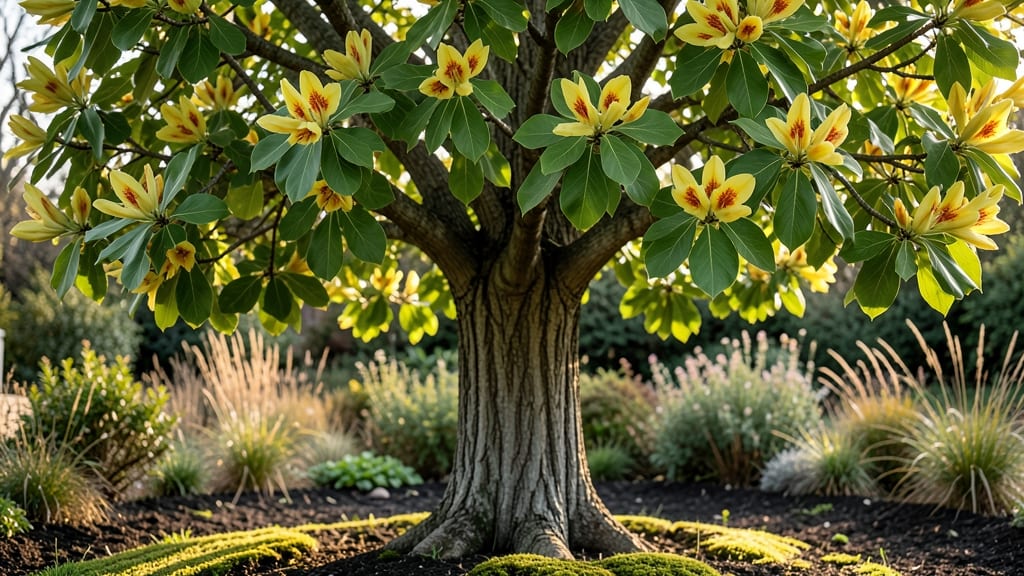
The tulip tree flowering time varies by zone and age, but those iconic yellow-green blooms typically appear in late spring—around May in most regions.
If you’ve ever waited patiently for your 🌳 tulip tree to flower, only to be met with silence, you’re not alone. Many gardeners assume these trees bloom early, but age and climate play a bigger role than you might think.
Young trees (under 10 years) often skip flowering entirely, while mature specimens in USDA Zone 6a or warmer usually burst into bloom between late April and early June. The key? Sunlight, soil health, and a little strategic pruning after the flowers fade.
Below, I’ll break down exactly when to expect blooms in your area, how to encourage earlier flowers, and the one pruning mistake that could delay them for years.
When tulip trees bloom by USDA hardiness zones
The tulip tree (Liriodendron tulipifera) is one of North America’s most striking native trees, known for its showy tulip-shaped flowers that appear in early spring. But when exactly you’ll see those vibrant blooms depends heavily on your USDA hardiness zone and regional climate.
In colder zones like 4-5, blooms may arrive later due to frost delays, while zones 8-9 often see earlier flowering. Let’s break down the typical bloom windows by zone and what affects them.
Tulip trees are spring ephemerals, meaning they bloom early before the canopy fully develops. In most regions, you’ll spot flowers between late March and early May, but the exact timing shifts based on last frost dates and winter severity.
For example, Southern states (zones 7-9) often see blooms as early as February, while Northern zones (4-6) may wait until May. Understanding these patterns helps you plan landscaping and manage expectations for your tree’s performance.
| USDA Zone | Typical Bloom Window | Regional Notes | Climate Factors |
|---|---|---|---|
| Zones 4-5 | Late April - Early May | Northern states (e.g., Minnesota, New York) | Late frosts delay blooms; warmer microclimates may bloom 1-2 weeks earlier. |
| Zones 6-7 | Mid-April - Late April | Mid-Atlantic (e.g., Pennsylvania, Virginia) | Moderate winters; urban heat islands can advance blooms by 10 days. |
| Zones 8-9 | February - Early April | Southeastern states (e.g., Georgia, South Carolina) | Mild winters; early blooms may face frost damage in late February. |
| Zone 10+ | January - March | Florida, coastal California | Year-round growth; blooms may be sporadic due to lack of seasonal dormancy. |
In zones 4-5, tulip trees often wait until late April or May to bloom, as cold snaps can damage buds. For example, in Michigan or Wisconsin, a late frost in April might push blooms into early June.
Meanwhile, zones 8-9—like those in Georgia or North Carolina—typically see flowers by February or March, aligning with their milder winters. These regional differences mean your local last frost date is the best predictor of bloom timing.
Climate plays a critical role in tulip tree flowering. Trees in coastal areas (e.g., South Carolina’s sea islands) often bloom earlier due to milder winters, while inland zones may experience delayed or lighter blooms from frost risks.
Even within a single zone, microclimates—like urban areas or valleys—can shift bloom times by 1-3 weeks. For instance, a tulip tree in Atlanta (zone 8a) might bloom in late February, while one in the nearby Appalachian foothills could wait until April.
Another key factor is tree maturity. Young tulip trees (under 10 years old) rarely bloom, but once they reach 15-25 years, they produce abundant flowers for decades.
In zones 6-7, a mature tree might bloom in mid-April, while a 10-year-old sapling in the same zone could skip flowering entirely.
This age-related pattern explains why some gardeners in zone 7 see blooms in April while others in the same area don’t see any—it’s often a maturity issue, not a climate one.
If your tulip tree is over 20 years old but still not blooming, check for stress signs like yellowing leaves or poor canopy growth. These could indicate soil compaction, nutrient deficiencies, or root damage, all of which delay flowering.
In zones 5-6, for example, a tree might bloom in May one year but skip entirely the next due to a harsh winter or drought stress. Paying attention to these cues helps you troubleshoot and encourage healthier blooms.
For gardeners in zones 8-9, early blooms mean you’ll need to protect flowers from late frosts. A light frost in February
How age and tree health affect tulip tree flowering
Your tulip tree (Liriodendron tulipifera) might not bloom in its first decade, and that’s completely normal. These majestic trees focus their energy on establishing a strong root system and trunk before producing those iconic yellow-green tulip-shaped flowers. Understanding this growth pattern helps manage expectations and care strategies.
Most tulip trees reach their first flowering stage between 15 to 25 years old, though some may bloom earlier in ideal conditions. Factors like soil quality, sunlight exposure, and pruning practices can accelerate or delay this milestone.
For example, a tree planted in full sun with well-draining soil may bloom 2-3 years earlier than one in partial shade.
🌳 Key Factors for Tulip Tree Flowering
Poor tree health is the #1 reason for delayed flowering. Look for yellowing leaves, thin canopy growth, or cracked bark—all signs of stress. Overwatering or compacted soil can suffocate roots, while underwatering in drought-prone areas forces the tree to divert energy to survival rather than blooms.
Pruning plays a crucial role too. Heavy pruning in late winter or early spring can remove next year’s flower buds, which form on old wood. Instead, prune immediately after blooms end (May-June) to shape the tree without sacrificing future flowers.
Never remove more than 25% of the canopy in a single season.
Even mature tulip trees may skip flowering years if conditions aren’t ideal. Drought stress, nutrient deficiencies, or competition from weeds can reduce bloom production. Regular soil testing (aim for a pH of 6.0-7.0) and balanced fertilization in early spring can help restore vigor and encourage consistent flowering.
Patience is key—your tulip tree’s first blooms may take decades, but proper care ensures they’ll arrive in spectacular fashion. With full sun exposure, healthy soil, and minimal stress, you’ll be rewarded with those show-stopping spring flowers for years to come. 🌷