
Blooming
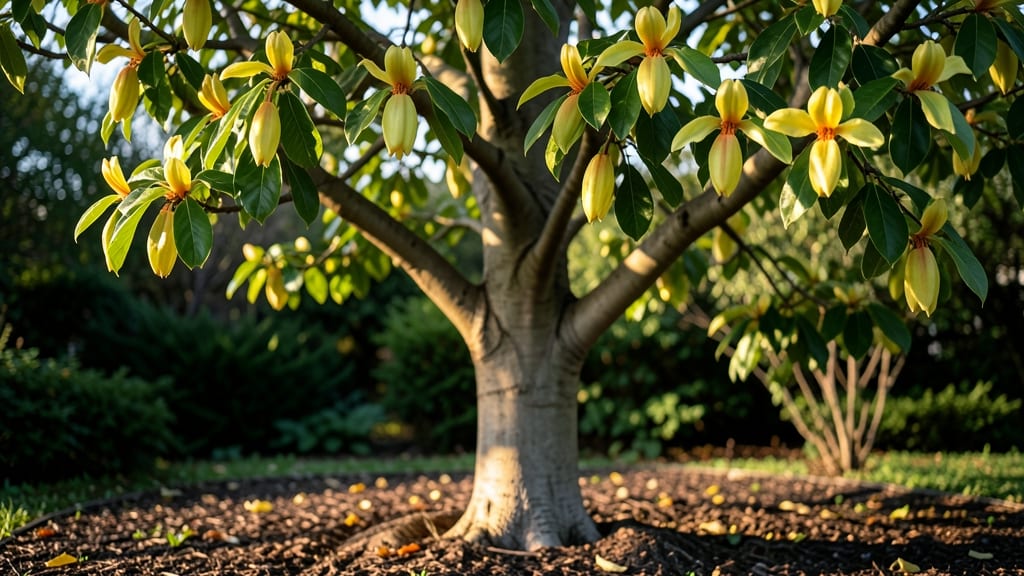
The tulip tree blooms in late spring, with its iconic green-yellow flowers appearing between April and May in most of the U.S. — but the exact timing depends on where you live and how cold your winters were.
If you’ve ever waited impatiently for those striking blooms to appear, you’re not alone. The difference between a Southern garden and a Northern yard can mean weeks of separation in bloom time, and even a mild winter can push flowers earlier. This guide breaks down the science behind it all.
From the chilling hours your tree needs to the sunlight it craves, we’ll show you how to predict bloom time like a pro — even if you’re new to gardening.
You’ll learn the regional patterns, the climate triggers, and the simple tricks to encourage your tulip tree 🌳 to put on its best show.
Ready to set your expectations? By the end, you’ll know exactly when to look up — and how to give your tree the best shot at a stunning display.
Exact tulip tree bloom time by U.s. region (with month-by-month breakdown)
The tulip tree (Liriodendron tulipifera) is one of the most stunning native trees in North America, but its bloom timing varies dramatically depending on your U.S. region.
In warmer southern climates, you might see flowers as early as February, while northern gardeners often wait until late April or May. Understanding these regional differences helps you anticipate when your tree will dazzle with its vibrant green-yellow blossoms.
Latitude plays a critical role in bloom timing. Trees in USDA Zones 7-8 (like Georgia or North Carolina) typically bloom 4-6 weeks earlier than those in Zones 4-5 (like Minnesota or New York).
This guide breaks down the exact month-by-month bloom windows for key regions, so you can plan your garden year accordingly.
Key factors influencing tulip tree blooming:
- Chilling hours (cold winter temperatures required to trigger buds)
- Spring warmth (consistent daytime temps above 50°F)
- Sunlight exposure (full sun accelerates bloom timing)
- Tree maturity (younger trees may bloom later)
| Region | Early Bloom | Peak Bloom | Late Bloom | USDA Zones |
|---|---|---|---|---|
| Southern States (AL, GA, SC, FL) | Late February | March | Early April | 7b-9a |
| Southeast (TN, NC, VA) | Early March | Mid-March | Late March | 6b-8a |
| Mid-Atlantic (MD, PA) | Mid-March | Late March | Early April | 5b-7a |
| Northeast (NY, NJ, CT) | Late March | April | Early May | 4b-6a |
| Midwest (OH, MI, IN) | Early April | Mid-April | Late April | 5a-6b |
| Northern States (MN, WI, IA) | Mid-April | Late April | Early May | 3b-5a |
In southern regions like Florida or Georgia, tulip trees often bloom as early as late February because they experience milder winters and earlier spring warming. These trees may even produce second flushes of blooms in late spring if conditions remain favorable.
For example, in Atlanta (Zone 7b), peak bloom usually occurs in mid-March, while Savannah (Zone 8a) sees flowers as early as February 20th.
Moving north, the timeline shifts dramatically. In Chicago (Zone 5b), tulip trees typically don’t bloom until mid-April, with peak flowering in late April. The Great Lakes region often experiences delayed blooming due to late spring frosts, which can damage early buds.
If you're in Zone 4 or colder, expect blooms to arrive in May, sometimes even June in particularly cold years.
One surprising factor is that younger tulip trees (under 10 years old) may bloom 1-2 weeks later than mature specimens. This is because they require more energy reserves to produce flowers.
If you’ve recently planted a tulip tree, don’t be alarmed if it takes a few years to reach its full bloom potential—patience is key! For container-grown trees, blooming may also be delayed due to root restriction.
Climate change is also altering bloom timing. Over the past decade, gardeners in northern states report tulip trees blooming 7-10 days earlier than historical records. In New England, some trees now bloom in early April instead of late April.
To track changes in your area, consider joining local gardening groups or using apps like iNaturalist to log bloom dates.
If you're eager to encourage earlier blooming, focus on providing consistent moisture during the previous summer and fall. Tulip trees store water in their roots, and adequate hydration helps them build the energy reserves needed for spring blooming.
Avoid over-fertilizing with high-nitrogen products, as this can delay flowering while promoting leafy growth instead.
For gardeners in cooler climates, protecting young buds from late frosts is crucial. If a frost warning appears after buds form, consider covering the tree with a lightweight frost cloth during the night. This simple step can save your tulip tree’s blooms and ensure a stunning spring display.
Climate triggers that control tulip tree blooming (and how to influence them)
The tulip tree (Liriodendron tulipifera) relies on precise climate triggers to bloom, making it a fascinating study in nature's timing. Unlike many trees, its flowers emerge based on a combination of temperature thresholds, chilling hours, and sunlight exposure.
Understanding these factors lets you influence bloom timing—whether you're in Zone 5 or Zone 9. The key? Mastering the balance between dormancy and growth cues.
First, tulip trees need 600-1,000 chilling hours below 45°F during winter to break dormancy. Without enough cold, buds may fail to open entirely. Then, as temperatures rise above 50°F in spring, the tree shifts into bloom mode—provided it’s received adequate sunlight.
Too much shade or drought can stall this process, while excess moisture may delay flowering. Let’s break down the exact triggers and how to optimize them.
- Chilling Hours: 600-1,000 hours below 45°F to break dormancy. Monitor your local winter lows—if temps stay above 50°F for weeks, blooms may be sparse.
- Temperature Threshold: Buds open when daytime temps hit 55-60°F consistently. Early springs (like in Zone 7) trigger blooms by March, while colder zones (like Zone 5) may see flowers in late April.
- Sunlight Exposure: 6+ hours of direct sun daily is critical. Partial shade can delay blooming by 2-3 weeks. Prune nearby trees to ensure unobstructed light.
- Moisture Balance: Drought stress halts blooming, but soggy soil rots roots. Aim for deep watering every 7-10 days in dry spells. Mulch helps retain moisture without suffocating roots.
- Age Maturity: Young trees (5 years old) bloom sparsely. Focus on balanced fertilization (10-10-10) in early spring to encourage future blooms.
If your tulip tree isn’t blooming on schedule, check for nutrient deficiencies—yellowing leaves often signal a need for iron or nitrogen. Apply a slow-release fertilizer in late winter to give roots a head start.
For established trees, prune dead branches in dormant season to redirect energy toward flowering. Even a 10% increase in sunlight can shift bloom time by 1-2 weeks.
Extreme weather throws off timing too. A late frost after buds form can kill flowers, while unseasonably warm winters may prevent chilling hours. In Zone 8+, I’ve seen tulip trees bloom as early as February if winter was mild, but heavy rains in March can push blooms back.
Keep a gardening journal to track local patterns and adjust care accordingly.
For gardeners in urban areas, pollution and heat islands can stress trees, delaying blooms. If your tulip tree is near a paved surface, water 20% more frequently to counteract heat stress.
In coastal climates, salt spray may also inhibit flowering—rinse leaves with fresh water during dry spells. Small adjustments like these can make a big difference in bloom timing.
Remember, tulip trees are perennial bloomers, but their first flowers often appear after 10-15 years. Patience pays off—once established, they reward you with vibrant spring displays for decades. By tuning into these climate triggers, you’ll turn your tulip tree into a predictable, show-stopping feature in your landscape. 🌳