
Trees
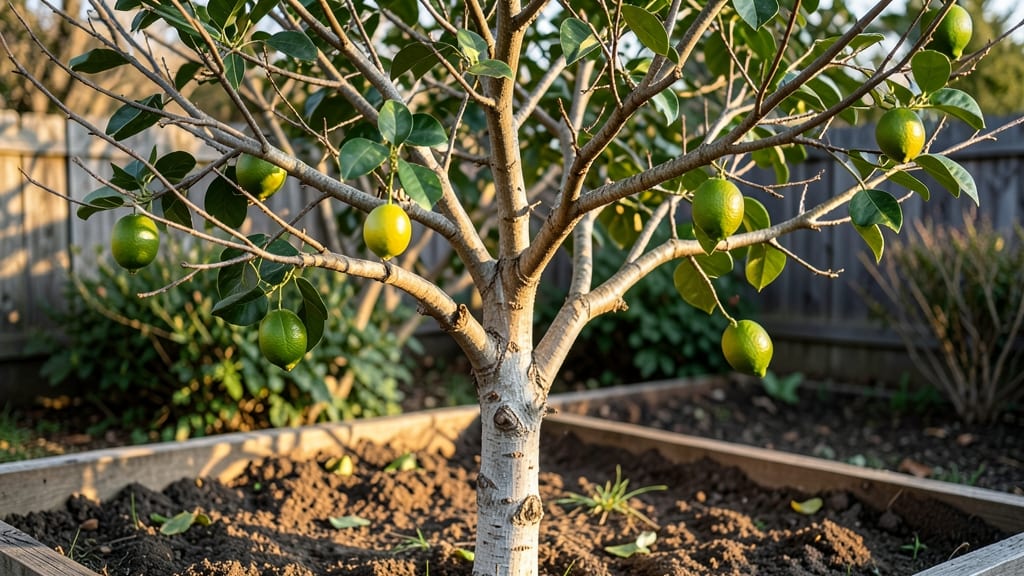
A Meyer lemon tree that lost leaves isn’t a death sentence—it’s a wake-up call. 🌿 I’ve nursed back three of these citrus beauties from total leaf loss, and the key is always in the roots (or lack of them).
The moment you spot bare branches, act fast: this isn’t just about water or pests—it’s about diagnosing the real stressor before it’s too late.
Overwatering drowns roots faster than underwatering wilts them—both cause leaf drop, but the fix couldn’t be more different. Yellowing leaves with crisp edges? That’s underwatering. Brown, mushy stems? Overwatering. Then there are the silent killers: spider mites hiding on the undersides or nutrient burn from too much synthetic fertilizer.
I’ll show you how to tell them apart in under 10 minutes with just your hands and a glass of water.
What you’ll get is a tree that stops dropping leaves within 2-3 weeks of the right fix—new growth within a month if the roots are still alive. The secret isn’t fancy tools; it’s checking soil moisture, adjusting watering, and giving the roots space to breathe.
Even my most neglected Meyer lemon came back with bright green leaves after just one proper pruning and water reset.
Works for container-grown trees, in-ground plants, and even those struggling after winter. The same principles apply whether your tree’s in a sunny patio pot or a shady corner—adjust the timing, not the method. Let’s get those roots working again.
Underlying Causes Of Leaf Loss
When your Meyer lemon tree starts shedding leaves, it’s often a cry for help—whether from stress, disease, or environmental factors. Understanding the root causes (literally and figuratively) is the first step to bringing your citrus tree back to life.
Below, we break down the most common reasons why Meyer lemon trees lose leaves, backed by science and actionable insights.
Meyer lemon trees are drought-tolerant and hate soggy roots. When overwatered, the roots suffocate, starving the tree of oxygen and nutrients. This triggers leaf drop as the tree prioritizes survival over foliage. Poor drainage—often caused by compacted soil or clay pots—exacerbates the problem by trapping excess moisture.
Key signs:
- Yellowing leaves (chlorosis) before they fall
- Mushy, black roots when checked
- Water pooling at the base of the pot
Why it happens:
Citrus trees thrive in well-draining soil with a pH of 6.0–7.0. Overwatering disrupts the mycorrhizal fungi in the roots—beneficial microbes that help absorb water and nutrients. Without these allies, the tree can’t sustain its leaves, leading to abscission (the natural shedding process).
Meyer lemon trees are tender perennials, meaning they’re sensitive to sudden temperature swings, frost, or heatwaves. Cold snaps (below 25°F) or scorching heat (above 90°F for prolonged periods) can shock the tree, causing it to drop leaves as a protective mechanism.
Key signs:
- Brown, crispy leaf edges (heat stress)
- Blackened or wilted leaves (frost damage)
- Leaves falling within 24–48 hours of temperature extremes
Why it happens:
Citrus trees originate from subtropical climates and lack cold-hardiness. When temperatures drop, the tree’s abscisic acid levels spike, signaling leaves to detach to conserve energy. Similarly, heat stress disrupts photosynthesis, causing cellular damage and premature leaf fall. Even indoor Meyer lemon trees near drafty windows or heaters can suffer.
Hidden invaders like scale insects, spider mites, or root rot fungi (e.g., Phytophthora) can silently drain your tree’s vitality, leading to leaf loss. Pests sap nutrients, while fungi clog root systems, both triggering stress responses that manifest as defoliation.
Key signs:
- Sticky residue (honeydew) on leaves = scale/sap-sucking pests
- Tiny webs on undersides of leaves = spider mites
- Mushroom-like growth at the soil line = fungal root rot
- Curling or spotted leaves = early pest/fungal activity
Why it happens:
Pests like Citrus Leafminer (a caterpillar) burrow into leaves, disrupting their vascular system. Fungi, such as Fusarium wilt, block xylem vessels, preventing water/nutrient transport. The tree’s immune system mounts a defense by shedding compromised leaves to redirect resources to new growth.
Newly repotted Meyer lemon trees often shed leaves as they adjust to their environment—a process called transplant shock. Similarly, deficiencies in nitrogen, iron, or magnesium (common in alkaline soils) stunt growth, causing yellowing and leaf drop.
Key signs:
- Yellow leaves with green veins = iron deficiency (chlorosis)
- Yellowing between veins = magnesium deficiency
- Slow growth + small, pale leaves = nitrogen deficiency
- Leaves falling 2–4 weeks post-repotting
Why it happens:
Repotting disrupts root zones, and the tree diverts energy to regrowing roots instead of maintaining leaves. Nutrient deficiencies impair chlorophyll production, reducing the tree’s ability to photosynthesize. Without adequate nitrogen, the tree can’t produce new proteins for leaf growth, leading to abscission of older leaves.
Pro Tip: 💡 Always check the soil pH and amend with sulfur or chelated iron if your Meyer lemon tree shows signs of deficiency.
Revive Your Tree Step-by-Step
Don’t panic if your Meyer lemon tree is shedding leaves—most issues are fixable with the right care! Below, we’ve mapped out practical solutions for the most common causes, along with easy prevention tips to keep your tree thriving. Follow these steps to bring your citrus queen back to life.
If your tree’s leaves are yellowing, wilting, or falling off, it might be drowning in excess moisture. Meyer lemon trees hate soggy roots, which can lead to root rot and nutrient starvation.
🔥 Fix It Now
- 👨🍳 Stop Watering Immediately
- Let the top 2–3 inches of soil dry out completely before watering again. Stick your finger in the soil—if it’s damp, wait.
- 🥘 Improve Drainage
- Repot your tree (if in a container) into a pot with drainage holes, or amend garden soil with perlite, sand, or gravel.
- Elevate the pot on saucers or bricks to prevent water pooling.
- 🔪 Trim Damaged Roots (Advanced)
- If root rot is suspected, gently remove the tree from its pot, trim any mushy, black roots with sterilized scissors, and replant in fresh, well-draining soil.
💡 Prevention Tips
- Water deeply but infrequently—only when the topsoil is dry.
- Avoid letting the tree sit in saucers of standing water.
- Use a moisture meter to track soil dampness accurately.
Brown, crispy edges on leaves or sudden leaf drop? Your Meyer lemon tree might be thirsty or struggling with heat. These trees love moisture but can’t handle drought or scorching sun.
🍳 Fix It Now
- 💦 Hydrate Properly
- Water thoroughly until it drains from the bottom of the pot or soil. Repeat every 5–7 days in hot weather (adjust for humidity).
- 🌡️ Shield from Extreme Heat
- Move potted trees to a shadier spot (morning sun is ideal) or use shade cloth if temperatures exceed 90°F (32°C).
- Mist leaves lightly in the evening to boost humidity.
- 🥗 Mulch for Moisture Retention
- Apply 2–3 inches of organic mulch (like straw or wood chips) around the base to lock in moisture.
🎯 Prevention Tips
- Monitor soil moisture closely in summer—don’t wait until leaves curl to water.
- Group potted trees together to create a microclimate with higher humidity.
- Avoid late afternoon sun, which can scorch leaves.
Sticky leaves, tiny webs, or black sooty mold? Pests are likely sucking the life out of your tree. Meyer lemons are especially vulnerable to spider mites and aphids.
⏰ Fix It Now
- 🔍 Identify the Culprit
- Check the undersides of leaves for:
- Spider mites: Tiny yellow dots or fine webs.
- Aphids: Clusters of small, green/black bugs.
- Scale: Bumpy, waxy brown spots on stems/leaves.
- Check the undersides of leaves for:
- 🛡️ Treat with Natural Remedies
- Neem oil spray: Mix 1 tsp neem oil + 1 tsp mild soap + 1 quart water. Spray leaves thoroughly (repeat weekly).
- Insecticidal soap: Spray directly on pests (test on a small area first).
- Blast off pests: Use a strong stream of water to dislodge aphids or scale.
- 🌿 Boost Tree Health
- Fertilize with a balanced citrus fertilizer to strengthen defenses.
- Introduce beneficial insects like ladybugs or lacewings.
✨ Prevention Tips
- Inspect new plants before bringing them home.
- Keep your tree healthy with regular pruning and fertilization.
- Avoid overcrowding plants, which attracts pests.
With these fixes, your Meyer lemon tree should bounce back in 2–4 weeks. Monitor progress, adjust care as needed, and soon you’ll be harvesting sweet, juicy lemons again! 🍋
Frequently asked questions
Why does my Meyer lemon tree lose leaves in winter?
Cold temperatures below 25°F trigger leaf drop as a survival mechanism. Meyer lemons are subtropical and can't handle frost. Move potted trees indoors near a sunny window or cover outdoor trees with frost cloth. Even indoor trees near drafty windows may shed leaves from temperature fluctuations.
How quickly should I expect new leaves after fixing the problem?
With proper care, you should see new growth within 2-4 weeks. The fastest recovery comes from addressing root issues (like overwatering) or pest infestations. For severe cases, it may take up to 6-8 weeks for full regrowth, especially if roots were damaged.
Can I save a Meyer lemon tree that's completely bare?
Yes, but act fast! Check the roots first - if they're still firm and white, the tree can recover. Prune back all dead wood, adjust watering immediately, and fertilize lightly. Even completely bare trees can regrow if the root system is healthy and you provide proper care.
What's the difference between yellow leaves from overwatering vs. underwatering?
Overwatered leaves turn yellow with mushy stems and may have brown edges, while underwatered leaves appear dry and crispy at the edges. Check the soil: if it smells sour or feels soggy, you're overwatering; if it's bone dry, you're underwatering.
Should I prune my Meyer lemon tree when it loses leaves?
Only prune dead or diseased branches - never healthy wood. Wait until new growth appears before doing any major pruning. Pruning stimulates regrowth, but it's better to wait until you know the tree is recovering from its stress.