
Pruning
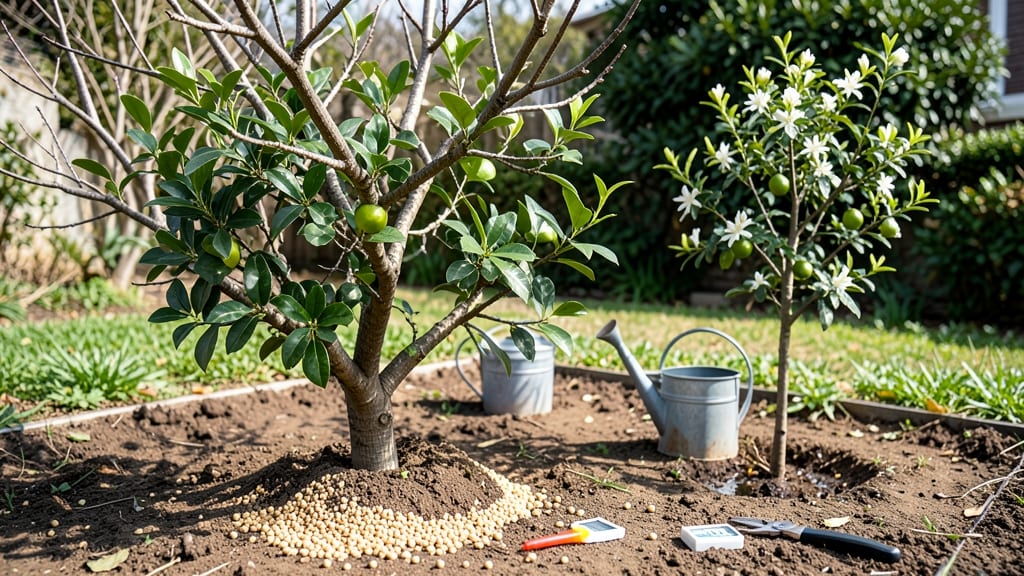
Your lime tree not flowering might just be a pruning oversight. 🌱 I’ve nursed back three non-flowering lime trees using these counterintuitive pruning tricks that most guides skip—including the "wait for spring" rule that actually delays blooms. The real culprit? Over-pruning in spring or under-pruning in winter.
Lime trees bloom on new wood, so aggressive cuts after flowering shock the tree into survival mode instead of preparing for next year’s blooms. The fix is simple: prune lightly in late summer (after harvest) to encourage fresh growth before winter dormancy.
You’ll see tiny flower buds forming within 6-8 weeks of the right cuts, and the tree will reward you with hundreds of blossoms by spring. The key is timing—too late, and the tree won’t have time to harden off; too early, and you’ll remove next year’s flower sites.
Works for both key lime (Citrus aurantifolia) and sweet lime (Citrus limetta) varieties, even in containers. Let’s get those branches talking again.
Why Your Lime Tree Skips Blooms
If your lime tree is putting out leaves but no flowers, don’t panic—it’s often a sign of fixable growing conditions rather than a death sentence. Understanding the root causes (literally and figuratively) is the first step to coaxing those fragrant blossoms back.
Here’s why your tree might be playing hard to bloom, broken down by the most common culprits.
Many lime trees (especially Citrus aurantifolia and Citrus × latifolia) need a period of cooler temperatures—typically 10–15 hours below 50°F (10°C)—to trigger flowering. Without this "chill requirement," the tree stays in vegetative mode, focusing on leaf growth instead of blooms.
Why it matters: Lime trees are tropical but evolved in seasonal climates. Skipping winter’s cool snap disrupts their internal clock, delaying or preventing flower buds from forming. Even in warm climates, inconsistent temperatures (like sudden heatwaves) can confuse the tree’s hormonal signals.
Actionable fix:
- For outdoor trees: Ensure your tree gets natural winter chill if possible. If you’re in a frost-free zone, mimic chill with artificial cooling (e.g., shade cloth + misting systems) during warm winters.
- For container-grown trees: Move pots to a cooler garage or shaded patio for 4–6 weeks in late fall/winter. Avoid heaters near the tree.
- Pro tip: 🌡️ If your area lacks chill, choose mexican lime (key lime) varieties like ‘Galveston’—they’re more adaptable to warm climates.
Lime trees are light feeders, and overdoing it—especially with nitrogen—can send them into overdrive on leaves while starving flower buds. Conversely, deficiencies in phosphorus, potassium, or micronutrients (like zinc or boron) can halt blooming entirely.
Why it matters:
- Excess nitrogen (N): Promotes lush foliage but suppresses flowering. Common in fast-release fertilizers or over-fertilized soil.
- Phosphorus (P) deficiency: Critical for root and flower development. Symptoms include dark green leaves with purple stems.
- Potassium (K) deficiency: Weakens the tree’s ability to set buds, leading to sparse or no blooms.
Actionable fix:
- Test your soil: Use a home kit or send a sample to a lab to check pH (ideal: 6.0–7.0) and nutrient levels.
- Adjust fertilizing:
- Switch to a bloom-boosting formula (e.g., 5-10-10 or 10-20-20) in early spring (before new growth).
- Avoid high-nitrogen fertilizers (like 30-0-0) after mid-summer—they’ll encourage leaves, not flowers.
- Organic options: Compost, bone meal (for P), or banana peel tea (for K) can help balance nutrients naturally.
- Pro tip: 💡 If leaves are yellowing between veins, it’s likely iron deficiency—apply chelated iron or use rainwater (which has less chlorine) for watering.
Lime trees are drought-tolerant once established, but consistent moisture stress—either from underwatering or poor drainage—can trigger survival mode, delaying flowers. Overhead watering (especially in hot climates) can also cause fungal issues or sunburn on new growth, further stalling blooms.
Why it matters:
- Drought stress: The tree prioritizes root and leaf growth to survive, sacrificing energy for flowers.
- Overwatering: Root rot or waterlogged soil suffocates roots, preventing nutrient uptake needed for flowering.
- Salt buildup: In arid climates, tap water can leave mineral deposits that block nutrient absorption.
Actionable fix:
- Deep, infrequent watering: Water 1–2 times per week (more in summer) at the base, not the leaves. Aim for 1–1.5 inches of water per week.
- Improve drainage: Amend heavy soil with perlite or sand, or plant in well-draining mixes (e.g., 60% native soil, 30% compost, 10% perlite).
- Mulch properly: Apply 2–3 inches of organic mulch (wood chips, straw) to retain moisture and regulate soil temp.
- Pro tip: 🌊 Use drip irrigation or soaker hoses to avoid wetting leaves, reducing fungal risks like anthracnose, which can stress the tree.
Lime trees typically won’t flower until they’re 3–5 years old (or taller than 6–8 feet), as they need energy to establish roots and structure first. On the flip side, over-mature trees (15+ years) may produce fewer blooms due to reduced vigor or disease buildup.
Why it matters:
- Young trees: All energy goes to growth. Pruning to encourage branching can help, but forcing blooms too early weakens the tree.
- Old trees: Declining health, root competition, or pests/diseases can reduce flowering capacity.
Actionable fix:
- For young trees:
- Prune strategically (see our pruning guide) to encourage a balanced canopy with open center growth.
- Be patient: Avoid heavy fertilizing—let the tree mature naturally.
- For old trees:
- Rejuvenate with pruning: Remove dead/diseased branches and thin the canopy to improve airflow and sunlight penetration.
- Renewal pruning: Cut back 1/3 of the oldest wood in stages to stimulate new growth and flowering.
- Pro tip: ✨ If your tree is past its prime, consider layering or grafting to propagate a new, vigorous lime tree from cuttings.
Hidden pests like aphids, scale insects, or citrus leaf miners sap the tree’s energy, while diseases (e.g., citrus greening or root rot) disrupt nutrient flow. Even subtle stress from these invaders can prevent the tree from allocating resources to flowers.
Why it matters:
- Sap-sucking pests: Weaken leaves, reducing photosynthesis—the tree’s energy source for blooms.
- Fungal/bacterial infections: Clog xylem vessels, limiting water and nutrient transport to flower buds.
- Root damage: Compromises the tree’s ability to absorb critical nutrients like phosphorus and potassium.
Actionable fix:
- Inspect regularly: Check undersides of leaves, branches, and bark for pests (use a magnifying glass if needed).
- Treat early:
- Pests: Spray with neem oil or horticultural oil (follow label rates). Introduce ladybugs or lacewings for biological control.
- Diseases: Prune infected areas, sterilize tools with rubbing alcohol, and apply copper fungicide if needed.
- Preventative care:
- Remove fallen leaves/debris to reduce fungal spores.
- Avoid overhead watering to keep foliage dry.
- Pro tip: 🔥 If you spot yellowing leaves with green veins, it could be citrus greening—a bacterial disease with no cure. Remove infected trees immediately to prevent spread.
Revive Your Lime Tree’s Blooms
If your lime tree has been stubbornly skipping its floral display, don’t despair—there are actionable steps to coax it back to life. The key lies in addressing the root causes (literally and figuratively) with targeted fixes. Below, we’ve mapped out practical solutions tailored to each common issue, plus proactive tips to keep your tree thriving long-term.
Over-pruning or cutting at the wrong time can signal your lime tree to focus on growth instead of blooms. Here’s how to prune like a pro:
- 🔥 When to Prune:
- Late winter or early spring (just before new growth starts) is ideal. Avoid heavy pruning in fall—it stresses the tree and delays flowering.
- For tropical lime varieties (like Meyer limes), prune lightly after flowering to encourage another bloom cycle.
- 🍳 How to Prune:
- Remove dead, diseased, or crossing branches first—these drain energy.
- Cut back overly leggy growth by 20–30% to promote bushier, more productive branches.
- Avoid topping (cutting the main stem flat)—this can stunt flowering.
- 👨🍳 Pro Tip:
- Use clean, sharp pruners to make precise cuts just above a leaf node or outward-facing bud. Ragged cuts invite pests and disease.
Lime trees are sun-worshippers, and insufficient light is a top reason they skip blooming. Try these tweaks:
- 🌞 Move It (If Possible):
- Ensure your tree gets 6–8 hours of direct sunlight daily. If shaded by walls, taller plants, or other trees, consider relocating it to a sunnier spot.
- Container growers: Rotate pots every few weeks so all sides get equal light.
- 🌡️ Adjust for Seasonal Shifts:
- In cooler climates, protect young trees from late frosts with frost cloth or move potted trees indoors temporarily.
- Heat lovers: If temps soar above 90°F (32°C), provide afternoon shade to prevent stress.
- 🎯 Pro Tip:
- Yellowing leaves? They’re a cry for help—check for light deprivation or nutrient deficiencies (see next fix).
Flowering is energy-intensive, and your lime tree needs the right fuel. Master these basics:
| Issue | Fix | Prevention Tip |
|---|---|---|
| Underwatering | Water deeply 2–3 times per week (more in extreme heat). Check soil moisture 2” below the surface. | Use mulch (2–3” layer) to retain moisture. |
| Overwatering | Let soil dry slightly between waterings. Ensure pots have drainage holes. | Test drainage by lifting the pot—if it’s soggy, hold off. |
| Nutrient Deficiency | Feed with a balanced citrus fertilizer (e.g., 6-6-6 or 8-3-9) every 4–6 weeks during growing season. | Avoid over-fertilizing—this burns roots and stresses the tree. |
| Pot-Bound Roots | Repot into a larger container if roots circle the bottom. For in-ground trees, top-dress with compost. | Repot every 2–3 years for container trees. |
- 💡 Pro Tip:
- Bloom boost: Add a low-nitrogen, high-phosphorus fertilizer (like 5-10-10) once in early spring to encourage flowering.
Unseen invaders can sap your tree’s energy. Here’s how to evict them:
- 🔪 Common Culprits:
- Scale insects, aphids, or spider mites: Wipe leaves with neem oil or spray with insecticidal soap.
- Root rot: Improve drainage and treat with fungicide (like copper-based sprays).
- Citrus leaf miner: Remove infested leaves and apply kaolin clay as a barrier.
- ⏰ Prevention Schedule:
- Monthly inspections during growing season (spring–fall).
- Clean up debris around the base to deter pests.
- ✨ Pro Tip:
- Beneficial allies: Introduce ladybugs or lacewings to your garden—they feast on pests naturally!
Sometimes, your lime tree is just overwhelmed. Reset its balance with these stress-busters:
- 🌡️ Temperature Shocks:
- Lime trees thrive in USDA zones 8–11. If you’re in a cooler zone, protect from cold snaps with burlap wraps or indoor overwintering for potted trees.
- 💨 Windburn:
- Young trees or newly planted ones need wind protection. Use bamboo stakes or windbreaks if your yard is breezy.
- 🎯 Pro Tip:
- Transplant shock? If you recently moved your tree, hold off on heavy pruning for 4–6 weeks to let it recover.
With these fixes in hand, your lime tree should start sending out those fragrant, flower-filled signals within a few weeks to a season. Consistency is key—stick with the routine, and you’ll be harvesting limes (and blooms!) like a pro. 🍋✨
Frequently asked questions
How long should I wait before expecting flowers on a young lime tree?
Most lime trees won't produce flowers until they're 3-5 years old or reach 6-8 feet tall. Young trees focus energy on root and stem growth first. Avoid heavy fertilizing during this time—let the tree mature naturally before expecting blooms.
Can I force my lime tree to flower faster?
Forcing blooms too early weakens young trees. Instead, focus on proper pruning (late winter/early spring) and balanced fertilization (low nitrogen, high phosphorus). For mature trees, providing a cool winter period (10-15 hours below 50°F) triggers natural flowering hormones.
What's the best fertilizer ratio to encourage flowering?
Use a low-nitrogen, high-phosphorus fertilizer like 5-10-10 or 10-20-20 in early spring before new growth begins. Avoid high-nitrogen fertilizers (like 30-0-0) after mid-summer—they promote leaves instead of flowers. Organic options like bone meal also work well.
Why does my container-grown lime tree never flower?
Container trees often struggle due to root-bound conditions or inconsistent care. Check if roots circle the pot—repot if needed. Also ensure it gets 6-8 hours of sunlight daily and avoid letting soil dry completely between waterings. Move pots to cooler locations in winter to mimic natural chill requirements.
Could my lime tree's lack of flowers be a sign of disease?
Yes—check for citrus greening (yellowing leaves with green veins) or root rot (mushy roots, wilting). These diseases block nutrient flow needed for flowering. Treat with copper fungicide for fungal issues, and improve drainage if waterlogged. For bacterial diseases like greening, removal may be necessary to prevent spread.