
Pruning
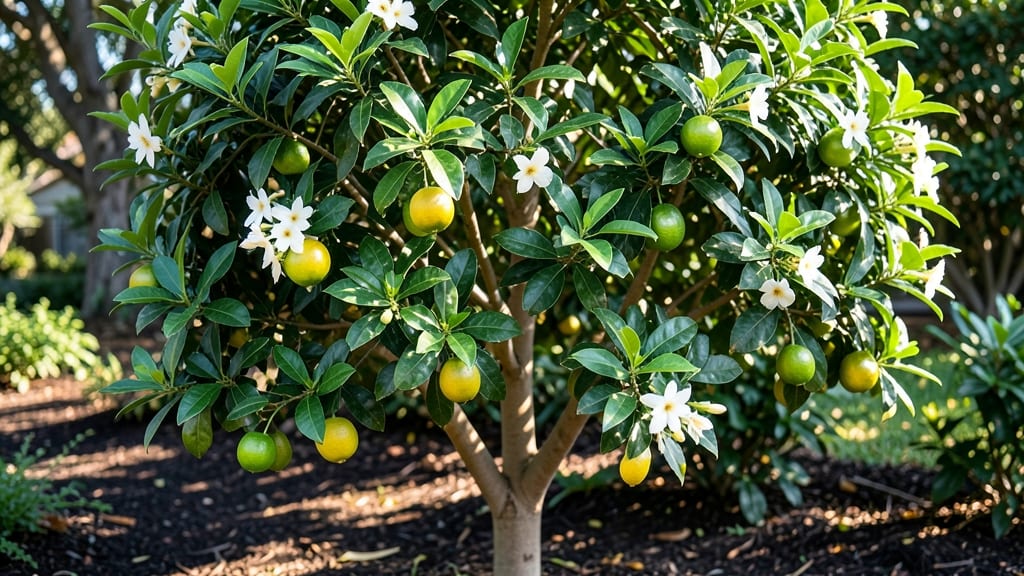
Spring is when your lime tree wakes up from winter dormancy—and the right cuts now mean year-round lushness and heavy fruit. 🌿 I’ve pruned my Meyer lime tree every spring for five years, and the difference between a neglected tree and one that produces pounds of fruit comes down to timing, technique, and a few key cuts.
The best time to prune is right after flowering, when the tree has set fruit but before summer heat stresses it. You’re shaping the tree’s energy toward growth, not just foliage—so focus on opening the canopy for sunlight and air circulation.
Remove dead wood first, then thin out crowded branches to let light reach the center. What you’ll end up with is a tree that flowers more reliably each spring and produces fruit throughout the year.
The branches stay strong, the fruit ripens faster, and pests can’t hide in dense, shaded spots. Just watch for aphids on new growth and sooty mold if you’re in a humid climate. This works for dwarf, standard, or grafted lime trees—just adjust the scale.
Grab your pruners and let’s get to it!
📚 In This Guide
- What you need
- Instructions
- Tips and common mistakes
- Wrapping up and next steps
What you need
- ● Pruning shears: Sharp, bypass pruners (for cuts up to ½ inch in diameter). Example: Felco F-2 or Corona 4-in-1.
- ● Loppers: For thicker branches (½ to 2 inches in diameter). Example: Fiskars X27 or Bahco Forester.
- ● Pruning saw: For branches larger than 2 inches. Example: Felco F-21 or Corona CS9100.
- ● Gloves: Heavy-duty, cut-resistant gloves (e.g., Mechanix or Dr. McGill’s).
- ● Disinfectant: 70% isopropyl alcohol or a 10% bleach solution (1 part bleach to 9 parts water) to sterilize tools between cuts.
- ○ Pruning sealant (optional but helpful): For larger wounds (e.g., Tanglefoot Tree Wound Pruning Sealer).
- ● Ladder or step stool: If your tree is taller than 6 feet.
- ● Heavy-duty trash bags: For collecting pruned branches (2–3 bags, depending on tree size).
- ● Notebook & pen: To sketch a quick map of cuts (if needed).
- ● Safety glasses: To protect against debris.
- ● Long sleeves & pants: For extra protection from thorns or sap.
- ● Extension pole pruners: For high branches (e.g., Fiskars 22-inch Telescopic Pruner).
- ○ Tree growth regulator (optional): Such as dormant oil spray to promote healthier regrowth.
- ● Camera or phone: To document "before" and "after" shots for tracking progress!
Instructions for pruning a lime tree in spring
Spring is the best time to shape your lime tree—here’s how to do it right for healthy growth all year.
🌱 Step 1: Wait for New Growth to Begin
Hold off pruning until you see new leaf buds forming on your lime tree, usually in late winter or early spring. This timing ensures you’re not cutting back growth that could have happened during the dormant season. If your area has frost risks, wait until after the last frost date to avoid damaging tender new shoots.
Look for small, swollen buds along the branches—these signal the tree is waking up. Avoid pruning too early, as cold snaps can stress freshly cut branches. If you’re unsure, check your local frost dates or observe when neighboring citrus trees begin leafing out.
✂️ Step 2: Remove Dead, Diseased, or Crossing Branches
Start by cutting out any branches that are dead, diseased, or rubbing against others. Use clean, sharp pruning shears to make cuts just outside the branch collar—the swollen area where the branch meets the trunk. This prevents unsightly stubs and promotes faster healing.
For diseased branches, sterilize your tools with rubbing alcohol between cuts to avoid spreading pathogens. If you spot brown, mushy wood or black spots, remove the entire branch and dispose of it in the trash—not your compost bin. Healthy branches should be firm, green on the inside, and free of lesions.
☀️ Step 3: Thin the Canopy for Better Airflow
Next, focus on thinning the tree’s canopy by removing 10-20% of the total branches, starting from the inside. This improves airflow and sunlight penetration, which reduces humidity-related diseases like fungal infections. Aim to create an open, vase-like shape with a central leader (main upward-growing branch).
Cut branches back to a lateral branch or bud, making your cuts at a 45-degree angle just above an outward-facing bud. Avoid leaving stubs—these can trap moisture and invite rot. If you’re unsure which branch to keep, choose the one growing in the direction you want the tree to fill.
🌿 Step 4: Shape the Tree for Balance and Fruit Production
Now, lightly shape the tree by trimming back overly long branches to encourage bushier growth. Lime trees produce fruit on new wood, so avoid heavy pruning of fruiting branches—just trim to maintain an open structure. Focus on removing branches that grow inward or downward, as these block light and air.
Step back often to visualize the tree’s shape. A well-pruned lime tree should have a balanced silhouette with no dense clusters of branches. If your tree is young, prioritize training it to a strong central leader. For mature trees, avoid removing more than 25% of the foliage in one season to prevent stress.
💧 Step 5: Clean Up and Apply Post-Pruning Care
After pruning, rake up and dispose of all clippings to reduce pests and diseases. Sterilize your tools again with rubbing alcohol to prevent cross-contamination. Water the tree deeply to help it recover, especially if you’ve made large cuts. Mulch around the base with 2-3 inches of organic mulch, keeping it a few inches away from the trunk.
Monitor the tree closely for the first few weeks. If you notice yellowing leaves or wilting, it may be reacting to the pruning stress. Apply a balanced citrus fertilizer in early spring to support new growth. Avoid heavy fertilization immediately after pruning, as this can encourage tender, disease-prone shoots.
Tips & tricks for perfect spring lime tree pruning
These simple but powerful strategies will help you prune your lime tree like a pro—without stressing the plant or yourself.
Timing is Everything: I can't stress this enough—wait until you see those tiny swollen buds forming, usually in late winter or early spring. This is your tree's signal that it's ready to grow. If you're unsure about frost dates, check your local agricultural extension service for the last frost date in your area. I learned this the hard way after pruning too early and seeing new growth get nipped by a late frost.
Tool Prep Matters: Before you make a single cut, sterilize your pruning shears with rubbing alcohol. This simple step prevents spreading diseases between branches. I keep a small bottle of 70% isopropyl alcohol in my gardening toolkit specifically for this purpose. Also, make sure your shears are sharp—dull blades crush branches instead of making clean cuts, which can damage the tree's healing process.
Visualize the Final Shape: Step back often while pruning to picture how your tree will look when finished. I like to imagine an open vase shape with sunlight streaming through to the center. This isn't just about aesthetics—it's about creating optimal growing conditions. When thinning branches, focus on removing those growing inward or downward first, as these block sunlight and air circulation most effectively.
Post-Pruning Recovery: After you've finished pruning, give your tree a deep watering to help it recover. I like to add a 2-3 inch layer of organic mulch around the base, keeping it a few inches away from the trunk. This helps retain moisture and regulate soil temperature. Monitor the tree closely for the first few weeks—yellowing leaves or wilting are signs it's reacting to the pruning stress.
Pro Tips for Lime Tree In Spring
- These simple but powerful strategies will help you prune your lime tree like a pro—without stressing the plant or you...
- Timing is Everything: I can't stress this enough—wait until you see those tiny swollen buds forming, usually in late ...
- Tool Prep Matters: Before you make a single cut, sterilize your pruning shears with rubbing alcohol. This simple step...
Frequently asked questions
Got questions about pruning your lime tree in spring?
Here are some of the most common concerns—and their answers—to help you get started with confidence.
When is the exact best time to prune a lime tree in spring?
The ideal window is late winter to early spring, just as new growth begins but before buds fully bloom (typically February–March in most climates). Avoid pruning during frost or extreme heat. Pro tip: If you miss spring, wait until summer—but avoid heavy pruning after August to prevent tender new growth from winter damage.
How much can I safely prune off my lime tree without harming it?
Remove no more than 25–30% of the tree’s foliage in a single session to avoid stress. Focus on dead, diseased, or crossing branches first, then thin out dense areas to improve airflow. Over-pruning can reduce fruit production, so prioritize structure over quantity.
Will pruning my lime tree in spring affect fruit production this year?
Light to moderate pruning (removing 10–20% of branches) won’t hurt fruit yield and may even boost quality by improving sunlight exposure. However, aggressive pruning (beyond 30%) can delay fruiting by 1–2 years as the tree recovers. Balance form and function!
What if my lime tree has no leaves—should I still prune it?
If your tree is completely leafless due to cold damage or disease, wait until spring regrowth appears before pruning. Cut back only the dead wood (branches that snap easily or have no green beneath the bark). Avoid heavy pruning until you confirm healthy growth.
Can I use the same pruning techniques for Meyer lime trees vs. regular limes?
Yes! Both types benefit from similar pruning, but Meyer limes (hardier and more cold-tolerant) can handle slightly more aggressive shaping. Regular limes may need gentler pruning to avoid stress. Always prioritize air circulation and sunlight—the key is the same!
Still unsure? Snap a photo of your tree’s structure and ask for a second opinion—local nursery experts or extension services can offer tailored advice!
Wrapping up and next steps
Spring is the perfect time to shape your lime tree for a bountiful, healthy harvest all year long! By following strategic pruning techniques—like removing dead branches, thinning for airflow, and shaping for sunlight—you’ll encourage vibrant growth and delicious fruit. Remember, patience and precision pay off!
Ready to transform your lime tree? Grab your tools and start trimming today! For extra guidance, check out our pruning timeline guide to keep your tree thriving season after season. 🌿✨