
How To
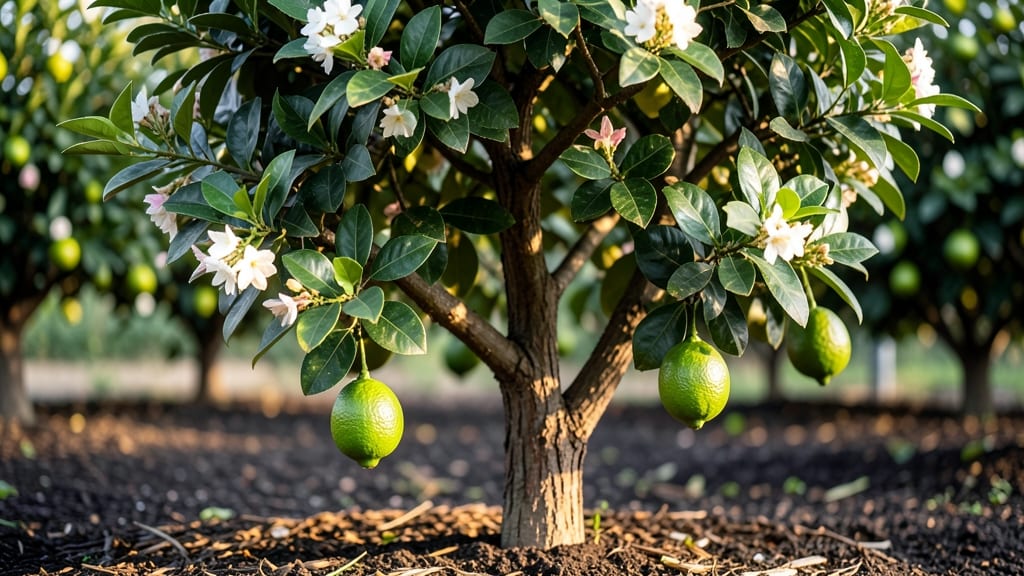
A lime tree grows anywhere from a compact 8 feet to a towering 40 feet—but how tall does a lime tree grow really depends on the variety and care you give it 🍋 — and that range can make or break your backyard citrus dreams.
Dreaming of fresh limes straight from your backyard but worried about space? Lime trees can range from compact dwarf varieties to towering giants—so knowing their mature heights is key to planning your garden (or patio!).
Standard lime trees like the Persian lime can reach 20+ feet, while dwarf varieties like the Meyer lime stay under 12 feet. The difference isn’t just about height—it’s about whether your tree fits in a pot on your balcony or needs a full yard to stretch its branches.
In this guide, I’ll break down the height ranges of popular lime varieties, share tips to keep your tree manageable, and help you pick the perfect size for your space—whether you’re growing in a container or planting in the ground.


Lime tree height guide: mature sizes by variety (with space-saving options)
Choosing the right lime tree variety depends on your space—whether you have a sprawling backyard or just a sunny patio. Standard lime trees can soar to 20-40 feet tall, while dwarf varieties stay under 6 feet.
Understanding these differences helps you pick the perfect tree for your garden layout and lifestyle.
Most lime trees fall into three height categories: dwarf (6 feet), semi-dwarf (12-18 feet), and standard (20+ feet). The Meyer lime and Tahiti lime are popular dwarf options, while Persian limes and Key limes often grow taller. Climate and pruning also affect final height.
For urban gardens or small yards, prioritize varieties that stay under 15 feet. These space-saving options still produce abundant fruit without overwhelming your outdoor space. Container growing is another great way to manage height—just ensure your pot is at least 15-20 gallons for dwarf trees.
Here’s a quick comparison of mature lime tree heights by variety, including space-saving options perfect for home gardens:
If you’re growing limes in containers, choose dwarf varieties like the Meyer lime or Tahiti lime. These thrive in 15-20 gallon pots and can be moved indoors during winter in colder climates. Just ensure your container has drainage holes to prevent root rot—a common issue with citrus trees.
For outdoor planting, semi-dwarf varieties like the Persian lime or Key lime work well in small yards. These stay under 15 feet with regular pruning and produce enough fruit for a family of four. Plant them at least 8-10 feet away from structures to allow airflow and sunlight penetration.
Pruning plays a huge role in controlling lime tree height. Young trees benefit from formative pruning to establish a strong structure, while mature trees can be pruned annually to remove overgrown branches and encourage fruit production. Use sharp, sterilized pruners and prune just above a leaf node for best results.
Climate also impacts height—lime trees grown in USDA Zones 9-11 reach their full potential, while those in cooler zones may stay smaller. If you’re in Zone 8 or below, opt for cold-hardy varieties like the Meyer lime and use mulch to protect roots during winter.
Remember, even dwarf lime trees need 6+ hours of sunlight daily and well-draining soil. Amend heavy clay soil with compost to improve drainage, and water deeply every 7-10 days during the growing season. With the right variety and care, you can enjoy homegrown limes—no matter how limited your space!
Best lime tree varieties for small spaces: dwarf and container-friendly choices
If you love the tangy flavor of limes but lack yard space, dwarf lime trees are your best bet. These compact varieties stay under 15 feet tall, making them perfect for containers, patios, or small gardens.
The key is choosing the right variety—some stay as small as 6 feet, while others reach 12 feet with proper care.
My top picks for small spaces include Meyer limes (the most popular dwarf), Tahiti limes (smooth-skinned and sweet), and Improved Meyer limes (hardier and more productive). Each has unique benefits, from faster fruiting to better cold tolerance.
Let’s break down the pros and cons to help you decide which fits your space best.
Lime Tree Varieties: Height & Space Comparison
Meyer Lime
Tahiti Lime
Improved Meyer
For container gardening, choose a 5–15 gallon pot with drainage holes. Meyer limes thrive in 15-gallon containers, while Tahiti limes need 20+ gallons to reach full size. Use well-draining citrus soil and fertilize every 4–6 weeks during growing season to maximize fruit production.
Pruning is essential to keep these trees compact. Trim back overgrown branches in late winter or early spring, and shape the canopy to encourage airflow. Avoid heavy pruning in summer, as it can stress the tree and reduce fruiting. With the right care, your dwarf lime tree can produce hundreds of limes per year—even in a tiny space!
One common mistake is underestimating winter care. Even dwarf varieties need protection from frost. Move potted trees indoors or wrap them in burlap when temperatures drop below 30°F. In ground-planted trees should be mulched heavily to insulate roots.
Ready to grow your own limes? Start with a Meyer lime for sweet fruit and cold tolerance, or opt for a Tahiti lime if you prefer seedless, smooth-skinned varieties. With the right variety and care, you’ll enjoy homegrown limes in just 2–3 years—no backyard required!