
Pruning
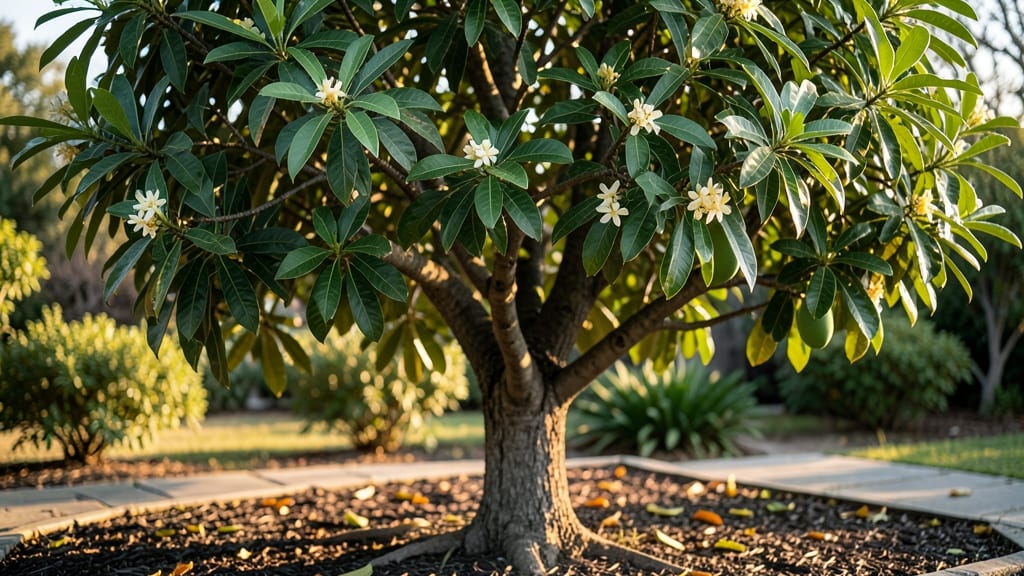
Summer pruning transforms your mango tree from a tangled mess into a fruit-producing powerhouse—and the secret lies in timing and technique. 🌿 I’ve watched my tree go from sparse branches to heavy with fruit just by making a few sharp cuts in July, when the heat slows pest activity and the tree’s energy focuses on recovery rather than defense.
The key is light, strategic pruning: remove only dead or crossing branches, thin out crowded growth, and open the canopy to improve airflow. This isn’t about drastic reshaping—think of it as giving your tree a summer haircut to keep it healthy and productive.
Over-pruning now can stress the tree, so stick to no more than 20% of the foliage at once.
What you’ll get is a tree that recovers quickly, with fewer pests and better fruit set next season. The open branches let sunlight reach developing mangoes, and the reduced shade keeps the ground cooler for roots. By late summer, you’ll see new growth that’s stronger and more resilient than before.
Works for container-grown trees too—just scale back the cuts. Here’s how to do it safely without inviting disease or pests into your summer garden.
📚 In This Guide
- What you need
- Instructions
- Tips and common mistakes
- Wrapping up and next steps
What you need
- ● Pruning shears: Bypass shears (for cuts under ½ inch thick) – 1 pair (look for sharp, stainless-steel blades 🔪).
- ● Pruning saw: Curved blade for thicker branches (1–4 inches) – 1 saw (avoid dull tools to prevent tearing 🌡️).
- ● Gloves: Heavy-duty, cut-resistant (e.g., leather or synthetic) – 1 pair (protect your hands from thorns and sap!).
- ● Disinfectant: 70% isopropyl alcohol or bleach solution (1 part bleach to 9 parts water) – small spray bottle or cloth (sanitize tools between cuts ✨).
- ○ Sealant: Pruning sealant (optional but helpful for large cuts) – small bottle (reduces sap oozing and disease risk 💡).
- ● Ladder: Sturdy, extendable (if tree is over 6 feet tall) – 1 ladder (ensure it’s stable and rated for your weight!).
- ● Trash bags: Heavy-duty (for collecting pruned branches) – 2–3 bags (keep your workspace clean!).
- ● Safety goggles: Protects eyes from debris (especially in windy conditions).
- ● Work boots: With ankle support (for stability on uneven ground).
- ● Spray bottle with water: Lightly mist cuts to reduce sap flow (works wonders in summer heat!).
- ● Notebook & pen: To jot down notes on cuts made (track progress over time!).
- ● Tree growth regulator: (e.g., paclobutrazol) – consult a local nursery (only if your tree is overproducing leaves vs. fruit 🎯).
How to prune a mango tree in summer for maximum fruit
Summer pruning is your chance to shape growth and boost next year's harvest—here's how to do it right.
🌿 Step 1: Identify and Remove Dead or Diseased Branches
Start by scanning the tree for branches that are brown, brittle, or oozing sap—these are dead or diseased and must go. Use clean, sharp pruning shears to cut just outside the branch collar where it meets the trunk. You'll know you're in the right spot when you see a slight swelling at the base of the branch.
Don't skip this step, even if the branch looks small. Dead wood spreads disease and weakens the tree. I always prune on a dry day when the tree isn't stressed by heat or watering—this helps prevent infections from spreading.
✂️ Step 2: Thin Out Overcrowded Growth
Look for branches growing toward the center of the tree or crossing over others—these compete for sunlight and air circulation. Remove about 20-25% of the tree's total branches, focusing on the thickest, most vigorous ones. Make your cuts at a 45-degree angle about ¼ inch above an outward-facing bud to encourage healthy new growth.
Here's the thing—you want sunlight to reach the inner branches. If you leave too much shade, fruit production suffers. I like to step back every few cuts to visualize how light will flow through the canopy after pruning.
☀️ Step 3: Shape the Tree for Sunlight and Airflow
Mango trees thrive with 6-8 hours of direct sun daily, so open up the canopy by removing any branches that block sunlight from reaching the lower limbs. Aim for an open vase shape—this lets air circulate and reduces humidity around the fruit, which prevents fungal diseases like anthracnose.
Focus on the top third of the tree first. You'll see where branches are competing for space—they'll often grow in the same direction or overlap. Cut back the weaker branch at its base, leaving the stronger one to take over. This is where your pruners get the most use.
🌱 Step 4: Encourage New Growth in Strategic Areas
To boost fruit production, make heading cuts on branches that have fruit buds. Cut back about ⅓ of the length of the branch just above a leaf node. This stimulates new growth and increases the number of flowering sites for next season. You'll know you're doing it right when you see fresh green shoots emerging within 4-6 weeks.
Real talk: Don't go overboard with heading cuts. Too much pruning now means fewer flowers—and fewer mangoes—next year. I limit myself to 1-2 cuts per branch to keep the tree balanced.
⏰ Step 5: Clean Up and Monitor for Recovery
After pruning, rake up all debris and dispose of it away from the tree to prevent pests and diseases from taking hold. Give the tree a deep watering to help it recover, especially if you've made heavy cuts. You'll notice new leaves forming within 2-3 weeks—this is your sign that the tree is healing.
Keep an eye on the tree for the next few weeks. If you see excessive sap oozing from cuts, apply a wound dressing (like tree sealant) to protect it. And here's a pro tip: Avoid pruning during extreme heat—wait until morning or late afternoon when temperatures are cooler.
Tips & tricks for perfect mango tree pruning in summer
Summer pruning sets the stage for next year's harvest—here's how to avoid common mistakes and maximize your tree's potential.
Tool Prep: I can't stress enough how important sharp, clean pruning shears are. Dull tools crush branches instead of making clean cuts, which slows healing and invites disease. Before you start, wipe your shears with rubbing alcohol to sterilize them—this prevents spreading any pathogens between cuts. I also keep a small spray bottle of the same solution handy to disinfect between branches if I spot any signs of infection.
Timing Secret: The instructions mention pruning on dry days, but here's what nobody tells you—morning hours are ideal. Mango trees handle stress better in cooler temperatures, and the sap flow is slower first thing. If you must prune in the afternoon, work during the cooler parts of the day (early morning or late evening) to prevent excessive sap loss. I've seen trees lose up to 20% more sap when pruned in midday heat.
Visual Cue for Step 2: When thinning out branches in Step 2, look for what I call the "light test." Stand back from the tree and hold your hand up to block light—if you can't see through the canopy to the trunk, you still have too much shade. Aim to create a "dappled light" effect where sunlight filters through rather than being completely blocked. This simple check helps you visualize the airflow and sunlight distribution before you make a single cut.
Recovery Strategy: After pruning, I always do a "health check" on the remaining branches. Look for any branches that appear stressed (yellowing leaves, wilting) and give them special attention. These branches might need extra water or even temporary shade protection during recovery. The 2-3 week window mentioned for new leaf growth is your best indicator—if you don't see fresh green leaves emerging within that time, consider applying a balanced fertilizer to help the tree bounce back.
Pro Tips for Mango Tree In Summer
- Summer pruning sets the stage for next year's harvest—here's how to avoid common mistakes and maximize your tree's po...
- Tool Prep: I can't stress enough how important sharp, clean pruning shears are. Dull tools crush branches instead of ...
- Timing Secret: The instructions mention pruning on dry days, but here's what nobody tells you—morning hours are ideal...
Frequently asked questions
Got questions about pruning your mango tree in summer? You’re not alone! Here are some of the most common concerns—plus expert answers to keep your tree thriving and fruiting.
When is the best time to prune a mango tree in summer?
Prune during the early summer (before the heat peaks) or late summer (after monsoon rains if applicable). Avoid extreme heat (100°F+), as it stresses the tree. Morning or late afternoon sessions work best to minimize sunburn on fresh cuts.
How much can I cut back without harming the tree?
Remove no more than 20–25% of the tree’s canopy in one session. Focus on dead, diseased, or crossing branches first. Over-pruning weakens the tree and reduces next year’s fruit yield. Think of it as a light trim, not a haircut!
What if my mango tree isn’t fruiting after pruning?
Summer pruning alone won’t guarantee fruit—mangoes need cross-pollination (plant two varieties nearby) and consistent care. Check for pests, nutrient deficiencies (like zinc or potassium), or improper watering. Patience is key: some trees take 3–5 years to bear fruit after pruning.
How do I protect cuts from sunburn or disease?
Seal cuts with pruning sealant (or even petroleum jelly in a pinch) to prevent sap loss and fungal infections. Avoid thick layers—just a thin coat. For large cuts, apply a copper-based fungicide as a precaution. Keep the area shady for 24 hours post-prune.
Can I prune a young mango tree the same way?
Young trees (under 3 years) need gentler shaping to establish a strong structure. Focus on:
- Removing water sprouts (fast-growing vertical shoots).
- Opening the canopy for airflow (but avoid heavy cuts).
- Training the central leader (main trunk) to grow straight.
Wrapping up and next steps
Summer pruning isn’t just about trimming—it’s your secret weapon for a thriving mango tree that rewards you with bountiful harvests year after year. By following strategic cuts, you’ll boost airflow, sunlight exposure, and fruit production while keeping your tree healthy and vibrant. 🌿✨
Ready to take action? Start by scheduling your next pruning session on a cool, overcast morning—your mango tree will thank you! Grab your tools, review the steps, and give your tree the care it deserves. The sweetest rewards are just a few cuts away!