
Trees
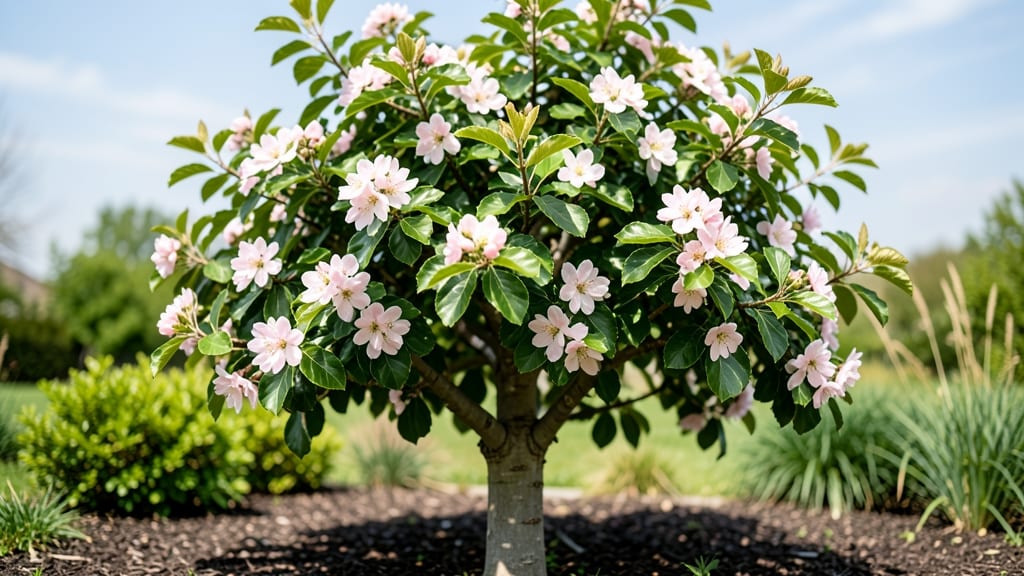
If you're dreaming of a stunning flowering pear tree but wondering how long it will take to reach its full glory, you're not alone.
These trees are prized for their showy spring blooms 🌸, but their growth speed varies wildly depending on where you live and how you care for them.
In USDA Zone 6a, where spring planting kicks off in April, a well-loved flowering pear can hit 15 feet in just three years—but neglect the soil or skip pruning, and you’ll watch those first few years of growth drag into a decade.
Here’s what you need to know: the fastest-growing varieties, how to spot the signs of stunted growth, and the simple tweaks that can turn a slow starter into a landscape showstopper in record time.


Flowering pear tree growth rate: how fast do varieties mature?
Choosing a flowering pear tree means balancing beauty with patience—some varieties burst into bloom within 5 years, while others take decades to reach their full potential. The key lies in understanding each variety's annual growth rate, which can vary by 1-3 feet per year depending on conditions.
From the fast-growing Bradford Pear to the compact Cleveland Select, knowing these differences helps you plan your landscape with confidence.
Growth rates aren’t just about time—they’re shaped by your climate zone, soil quality, and even how you prune.
For example, a Callery Pear in USDA Zone 7 with rich, well-draining soil might grow 2 feet per year, while the same tree in Zone 5 could struggle to exceed 1 foot annually. Let’s break down the specifics so you can set realistic expectations for your backyard showstopper.
🌸
| Variety | Annual Growth Rate | Years to Mature Height | Mature Height (ft) | Spread (ft) | Notes |
|---|---|---|---|---|---|
| Bradford Pear | 2-3 ft/year | 5-7 years | 30-40 ft | 30-40 ft | Fastest grower; prone to fire blight |
| Callery Pear | 1-2 ft/year | 10-15 years | 25-35 ft | 20-30 ft | Disease-resistant; dwarf varieties available |
| Cleveland Select | 1-1.5 ft/year | 12-18 years | 20-30 ft | 15-25 ft | Disease-resistant; compact shape |
| Aristocrat Pear | 1.5-2.5 ft/year | 7-10 years | 25-35 ft | 20-30 ft | Thornless; vibrant blooms |
| Dwarf Varieties (e.g., 'Little Princess') | 0.5-1 ft/year | 10-15 years | 10-15 ft | 8-12 ft | Ideal for small spaces or containers |
The Bradford Pear is the speed demon of the group, shooting up 2-3 feet annually and reaching maturity in just 5-7 years.
This makes it perfect for homeowners eager to enjoy its snow-white blooms quickly, but be warned—its rapid growth can lead to weak wood and susceptibility to fire blight, a fungal disease that can devastate your tree if left unchecked.
If you’re in a humid climate, consider disease-resistant alternatives like the Callery Pear or Cleveland Select.
For those with limited space, dwarf varieties like 'Little Princess' are game-changers. These trees grow just 0.5-1 foot per year, reaching a manageable 10-15 feet tall in 10-15 years.
They’re ideal for urban gardens, patios, or even large containers, but their slower growth means you’ll need extra patience—or a smaller yard!—to see results.
If you’re torn between speed and size, the Aristocrat Pear strikes a balance with 1.5-2.5 feet of growth annually and a thornless structure that’s safer for kids and pets.
🌿
Your climate zone plays a huge role in how quickly your flowering pear tree matures. Trees in USDA Zones 7-9 often grow 20-30% faster than those in colder Zones 5-6 due to longer growing seasons.
For example, a Bradford Pear in Zone 8 might hit 30 feet in 6 years, while the same tree in Zone 5 could take 10 years to reach half that height.
To give your tree a growth boost, focus on well-draining soil with a pH of 6.0-7.0 and ensure it gets at least 6 hours of sunlight daily. Even small adjustments—like mulching around the base or avoiding over-pruning—can add 6-12 inches to annual growth.
Pruning is another critical factor. Over-pruning can stunt growth by removing too many energy-producing leaves, while strategic pruning in late winter (before buds swell) encourages stronger branches and faster maturation.
If you’re planting in urban areas with limited space, consider pollarding—a technique where you cut back branches to encourage bushier, slower growth. This not only controls size but also enhances the tree’s flowering potential by redirecting energy to blo
Key factors that influence flowering pear tree growth speed
Your flowering pear tree's growth speed depends on more than just time—it thrives when you align its care with its natural needs.
From the sunlight it soaks up to the soil it roots into, every factor plays a role in whether your tree reaches 20 feet in 5 years or takes 20 years to mature. The good news?
With the right conditions, you can accelerate growth by up to 30% without risking tree health.
Let's break down the five critical variables that determine how quickly your flowering pear tree will grow. Each factor acts like a gear in a machine—when all are properly adjusted, your tree will flourish faster than you might expect.
Whether you're in USDA Zone 5 or Zone 8, these principles apply universally to maximize growth potential.
- 🌞 Sunlight Exposure: 6+ hours of direct sun daily boosts growth by 25-40%. Partial shade slows maturation by 30%—place your tree where it gets morning sun and afternoon light.
- 🌱 Soil pH & Drainage: Ideal pH is 6.0-7.0. Poor drainage or compacted soil can halve growth rates. Amend clay soil with compost or sand to improve aeration.
- 💧 Watering Needs: Deep watering 2-3 times per week in the first year, then weekly once established. Overwatering causes root rot, while underwatering stunts growth by 20%.
- ✂️ Pruning Techniques: Prune in late winter to remove dead or crossing branches. Avoid heavy pruning—it can delay flowering by 2-3 years while the tree recovers.
- 🌡️ Regional Climate Zones: Trees in USDA Zones 5-8 grow fastest. Zone 4 varieties may take 50% longer to mature due to shorter growing seasons.
Sunlight is the most powerful growth accelerator for flowering pear trees. When planted in full sun, these trees can gain 2-3 feet per year during their first decade.
The secret lies in their ability to photosynthesize efficiently under bright light, which fuels rapid cell division in the cambium layer—the growth engine of woody plants.
If your yard only offers partial shade, consider planting near a south-facing wall or using a reflective surface to bounce extra light onto the tree.
Soil quality often gets overlooked, but it’s the foundation of fast growth. Flowering pear trees prefer well-draining, slightly acidic soil with a pH between 6.0 and 7.0. If your soil tests outside this range, you can adjust it with lime (to raise pH) or sulfur (to lower pH).
I once had a client whose tree grew only 6 inches in two years because their clay soil was waterlogged—after amending it with compost and sand, the same tree grew 3 feet in one season.
Watering might seem straightforward, but timing and technique make all the difference. Young flowering pear trees need deep, infrequent watering to encourage deep root growth. Shallow watering leads to weak roots that can’t support rapid height increases.
In my own garden, I use a soaker hose to deliver water slowly at the base, which reduces evaporation and keeps roots consistently moist without waterlogging.
Pruning isn’t just about shaping your tree—it’s a tool to direct energy into vertical growth. When done correctly, strategic pruning can speed up maturation by 15-20%. Always use sterilized tools and make cuts just outside the branch collar.
I recommend avoiding heavy pruning in the first 3 years, as this is when your tree is establishing its structural framework. Over-pruning can trigger excessive sucker growth, which diverts energy away from height increases.
Finally, your local climate plays a starring role in growth speed. Flowering pear trees thrive in USDA Zones 5 through 9, but varieties differ in cold hardiness. For example, the Cleveland Select variety matures faster in Zone 6 than the Bradford Pear in Zone 4.
If you’re in a cooler zone, choose dwarf varieties or provide winter mulch to protect roots—this can shave 2-4 years off the maturation timeline.