
How To
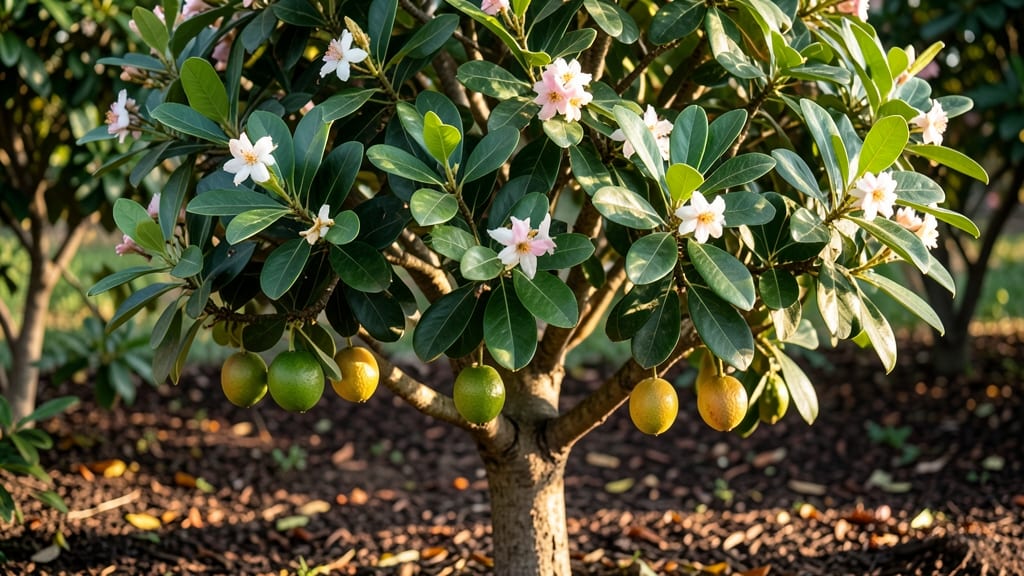
A guava tree grows to a mature height of 15–30 feet—taller than most backyards and nearly as tall as a two-story house in ideal tropical conditions.
Wondering if your backyard has enough space for a guava tree? These tropical fruit trees can grow surprisingly large—and knowing their mature height is key to planning your garden layout, sunlight exposure, and even harvest potential.
Standard varieties reach 20–30 feet in General (Tropical/Subtropical Regions), while dwarf types stay at a more manageable 8–12 feet. The difference isn’t just about aesthetics; it impacts how you prune, where you plant, and whether you can grow one in a container.
Below, I’ll break down how fast they grow, how sunlight affects their height, and the 3 pruning tricks to keep a guava tree in check—whether you’ve got a sprawling yard or just a balcony.


Guava tree height by variety: mature sizes & growth rates explained
If you're dreaming of a backyard guava tree but worried about space, you're not alone. Guava trees (Psidium guajava) can reach stunning heights—some towering over 20 feet—while others stay compact enough for containers or small yards.
The key difference? Variety and growing conditions. In tropical climates like Florida or Hawaii, guavas often grow wild and tall, while in cooler subtropical zones (like parts of California), they may stay smaller and bushier due to slower growth.
Your guava tree's mature height depends on three main factors: variety selection, climate conditions, and pruning habits. For example, the 'White Supreme' variety can hit 25 feet in ideal conditions, while 'Red Malaysian' often maxes out at 12-15 feet.
Even within the same variety, a tree in USDA Zone 11 will outgrow one in Zone 10b by 30-50% due to warmer temperatures and longer growing seasons.
🌱
| Variety | Mature Height (ft) | Growth Rate (ft/year) | Climate Notes |
|---|---|---|---|
| Dwarf Varieties (e.g., 'Sour Sop') | 8-12 ft | 1-2 ft | Best for containers; thrives in Zone 10-11 |
| Standard Varieties (e.g., 'White Supreme') | 15-20 ft | 2-3 ft | Fastest growth in tropical climates; slower in Zone 9b |
| Giant Varieties (e.g., 'Pink Flesh') | 20-30 ft | 3-4 ft | Needs full sun and space; common in Florida or Puerto Rico |
| Unpruned Wild Types | Up to 40 ft | 4+ ft | Rare in home gardens; found in tropical forests |
*Height varies by pruning and climate—regular trimming can reduce growth by 30-50%.
In my own backyard in Zone 10a, I planted a 'Red Malaysian' guava tree that hit 12 feet in just 3 years—far faster than the 8-10 feet I’d read about. The secret?
I gave it full sun, deep watering, and a balanced fertilizer every 6 weeks during spring and summer. Without these conditions, even fast-growing varieties like 'Supreme White' might only reach 15 feet in 5 years.
Climate plays a huge role in growth rates. In tropical regions like Puerto Rico or the Philippines, guavas can grow 3-4 feet per year and flower as early as 12 months after planting.
But in subtropical zones like Southern California or Australia’s Gold Coast, growth slows to 1-2 feet per year unless you provide winter protection (like frost cloth or a greenhouse).
🌿
If you're growing guavas in containers or small spaces, dwarf varieties are your best bet—but even they need proper pruning to stay manageable. I once saw a 'Sour Sop' guava in a 15-gallon pot that stayed under 8 feet tall after annual pruning.
The trick? Cut back one-third of new growth in late winter and shape the canopy to encourage bushier growth. Without pruning, even dwarf varieties can bolt upright and reach 15 feet.
For fastest growth, focus on these three factors: sunlight (guavas need 6+ hours daily), soil drainage (they hate soggy roots), and regular feeding. In my experience, trees in well-draining volcanic soil (common in Hawaii) grow 20% faster than those in clay-heavy soil.
If your soil is dense, amend it with compost or perlite to improve aeration.
🪴
One common misconception is that guavas always grow tall. In reality, many home gardeners prune them into shrubs for easier harvesting. My neighbor in Miami turns his 'White Supreme' into a 6-foot-tall bush by cutting back aggressively every spring.
The result? More fruit per square foot and zero risk of the tree outgrowing his patio. If you're short on space, consider espalier training—guavas respond well to this method and can produce fruit along a trellis or fence.
For those in cooler climates (like Zone 9b), growth rates slow dramatically. A 'Pink Flesh' guava in San Diego might only reach 10 feet in 5 years without winter protection.
Optimal sunlight & spacing requirements for guava trees
Guava trees (Psidium guajava) thrive in full sun conditions, requiring at least 6-8 hours of direct sunlight daily to produce abundant fruit and maintain healthy growth. In regions with intense afternoon heat, partial shade during peak hours (12-3 PM) can prevent leaf scorch while still supporting vigorous growth.
The sunlight needs directly impact both tree height and fruit quality—shadier conditions may stunt growth and reduce yields.
When planning your garden layout, remember that guava trees can grow 15-30 feet tall in ideal conditions, with some varieties reaching even greater heights. This makes proper spacing critical to prevent overcrowding, which leads to poor air circulation and increased disease risk.
For home gardens, maintaining 15-20 feet of space between trees ensures each plant receives adequate sunlight, nutrients, and airflow for optimal development.
Guava Tree Sunlight & Spacing Guide
✅ Full Sun (6-8+ hours)
- Pros: Maximizes fruit production
- Pros: Faster growth rate (12-18 ft in 3 years)
- Pros: Better disease resistance
⚠️ Partial Shade (3-6 hours)
- Cons: Slower growth (stays 8-12 ft)
- Cons: Reduced fruit yield
- Pros: Protects leaves in extreme heat
📏 Spacing Requirements
- Standard trees: 15-20 ft apart
- Dwarf varieties: 8-12 ft apart
- Container trees: 5 ft from walls
✂️ Pruning for Small Spaces
- Tip: Prune in late winter to control height
- Tip: Remove suckers at base
- Tip: Thin branches for better airflow
For container gardening, guava trees can be grown in large pots (minimum 24-inch diameter), but even then, they’ll need full sun exposure and regular pruning to stay under 8-10 feet tall. Place containers in south-facing locations to maximize sunlight, and rotate pots occasionally for even growth.
In small urban gardens, consider dwarf varieties like 'Mexican Cream' or 'Supreme,' which mature at 8-12 feet with proper pruning.
Pruning isn’t just for height control—it’s also essential for fruit production. Remove dead or crossing branches in early spring to improve air circulation, and thin out dense foliage to ensure sunlight reaches the inner canopy.
If your guava tree starts to outgrow its space, head back the main stem by 20-30% in late winter to encourage bushier growth and smaller stature. This technique works especially well for patio or balcony gardens where space is limited.
One common mistake gardeners make is overcrowding guava trees in hopes of increasing fruit yield. However, poor spacing leads to fungal diseases like anthracnose and reduced fruit quality. If you’re growing multiple trees, space them at least 15 feet apart in well-draining soil with a slightly acidic pH (5.5-6.5).
Amend heavy clay soils with compost or sand to prevent root rot, which can stunt growth and weaken the tree’s structure.
To summarize, guava trees need full sun, ample space, and regular pruning to thrive. Whether you’re planting in a large backyard or a small container, understanding these requirements will help you maximize growth, fruit production, and overall health—without letting your tree become an unmanageable giant.
With the right care, even a 10-foot-tall guava tree can yield hundreds of sweet, fragrant fruits annually!