
Diseases
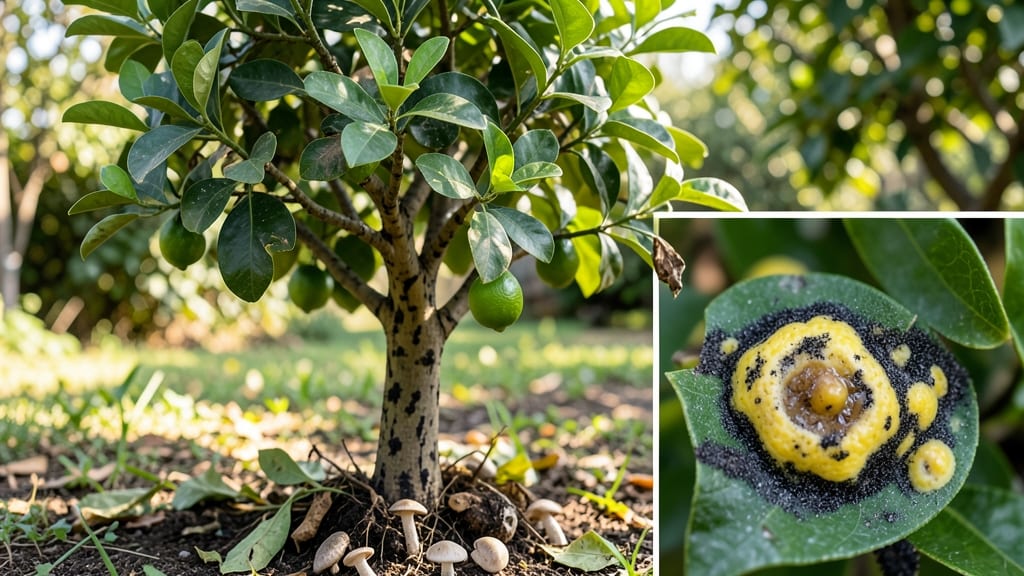
Spotting lime tree diseases early—and recognizing them from lime tree diseases pictures—saves your tree—and your patience. 🌿 Fungal blight and root rot turn vibrant foliage into a sad, yellowing mess if you don’t catch them fast.
I’ve seen healthy trees decline in weeks, but knowing the signs lets you act before it’s too late.
The first clue is often dark, spreading spots on leaves or mushy, discolored bark near the base. Blight starts with tiny brown dots that grow into larger patches, while root rot shows up as wilting even when the soil’s wet.
Both diseases thrive in damp conditions, so proper drainage and air circulation are your first line of defense.
With the right pruning and fungicide, you can revive affected branches and stop the spread. I’ve nursed back trees that looked hopeless by cutting out infected areas and treating the soil. The key is acting fast—once the disease moves into the trunk, recovery gets a lot harder.
This guide covers what to look for, why it happens, and step-by-step fixes that actually work. No more guessing whether those spots are just bugs or something worse—you’ll know exactly what’s wrong and how to fix it.
Underlying Causes Of Lime Tree Ailments
Lime trees, with their glossy leaves and fragrant blossoms, can fall victim to a variety of diseases, often triggered by specific environmental or biological factors. Understanding why these issues arise is the first step in prevention and treatment.
Below, we break down the most common culprits behind lime tree diseases, from fungal infections to environmental stressors.
Fungi thrive in warm, moist conditions—making lime trees especially vulnerable during humid seasons. These microscopic invaders latch onto weak spots in the bark, leaves, or roots, leading to diseases like anthracnose, leaf spot, or root rot. Here’s how it happens:
- Overhead Watering 💦: Splashing water onto leaves creates a perfect breeding ground for fungal spores. Unlike drip irrigation, which delivers water to the roots, overhead sprinklers keep foliage damp for extended periods.
- Poor Air Circulation 🌬️: Dense foliage or overcrowded trees trap moisture, preventing leaves from drying quickly. Fungi spread faster in these stagnant conditions.
- Weakened Tree Defense 🛡️: Stress from drought, poor soil, or nutrient deficiencies weakens a lime tree’s natural resistance. Fungi exploit these vulnerabilities, entering through wounds or natural openings.
- Contaminated Tools or Soil 🪓: Pruning shears, mulch, or even wind-blown spores from infected neighboring plants can introduce fungi to healthy trees.
Pro Tip: 💡 Prune in dry weather and sterilize tools with a 10% bleach solution to minimize fungal spread.
Lime trees are resilient, but extreme or inconsistent conditions can push them into disease-prone states. Here’s how environmental factors set the stage for problems:
| Factor | How It Causes Disease | Actionable Fix |
|---|---|---|
| Drought Stress 🏜️ | Prolonged dry spells force trees to conserve water, reducing nutrient transport and making them susceptible to fungal infections like Phytophthora root rot. | Install deep watering systems (1–2 inches per week) and use mulch to retain moisture. |
| Waterlogged Soil 💦 | Excessive moisture suffocates roots, promoting root rot caused by fungi like Armillaria. Poor drainage is often the culprit. | Amend soil with compost or install drainage pipes if planting in clay-heavy areas. |
| Temperature Fluctuations ❄️☀️ | Sudden cold snaps or heatwaves shock trees, weakening their immune response. Cold damage can also create entry points for pathogens. | Use windbreaks in winter and provide shade cloth during extreme heat. |
| Poor Soil pH 🌱 | Lime trees prefer slightly acidic to neutral soil (pH 6.0–7.5). Alkaline or compacted soil restricts root growth, making trees more prone to disease. | Test soil annually and amend with sulfur (to lower pH) or peat moss (to improve structure). |
While pests like aphids, scale, or citrus leaf miners don’t directly cause diseases, their damage creates ideal conditions for pathogens. Here’s the connection:
- Sap-Sucking Insects 🐜: Aphids and scale insects feed on plant sap, injecting toxins that weaken leaves. These wounds become entry points for fungal spores.
- Boring Insects 🪰: Citrus borers tunnel into bark, creating tunnels where moisture and fungi accumulate. Infested trees show oozing sap or dieback.
- Leaf Miners 🍃: Larvae of leaf miners burrow into leaves, causing tissue damage. The resulting holes trap moisture, fostering Alternaria leaf spot.
Pro Tip: 🔥 Monitor trees regularly for early signs of pest activity. Use neem oil or horticultural oil as a preventive spray in spring.
Even well-intentioned gardening practices can inadvertently stress lime trees, making them disease magnets. Common offenders include:
- Over-Fertilizing 🌿: Excess nitrogen promotes lush, tender growth that’s more susceptible to fungal infections. A balanced 6-6-6 fertilizer is safer.
- Improper Pruning ⚔️: Cutting too late in the season (after bud swell) or using dirty tools can introduce infections. Always prune during dormancy.
- Ignoring Mulch Depth 🍂: Piling mulch against the trunk (a practice called volcano mulching) traps moisture, causing stem rot. Keep mulch 2–3 inches deep and 6 inches from the trunk.
- Planting in Shade 🌳: Lime trees need 6–8 hours of sunlight daily. Shady spots lead to weak growth and increased disease risk.
How to Fix Lime Tree Ailments
Now that you’ve identified the problem—whether it’s fungal blight, root rot, or another pesky issue—it’s time to take action. The good news? Most lime tree diseases can be managed with the right approach.
Below, we’ve mapped out practical, step-by-step solutions tailored to each cause, plus prevention tips to keep your tree thriving.
Fungal infections like anthracnose or powdery mildew thrive in damp, humid conditions. Here’s how to combat them:
🔥 Step 1: Remove Infected Foliage
- 🍳 Gather tools: Pruning shears (sterilized with rubbing alcohol), heavy-duty gloves, and a trash bag.
- 👨🍳 Cut out the problem: Snip off all yellowing, spotted, or wilted leaves and branches—even if they’re just suspicious.
Fungi spread fast! - 🥘 Dispose properly: Seal infected plant debris in a plastic bag and toss it in the trash (don’t compost!). Fungal spores can linger in soil.
🔪 Step 2: Apply Fungicide
- 💡 Best options:
- Copper-based fungicides (e.g., Bordeaux mixture) – Effective against blight.
- Neem oil (organic choice) – Spray on a dry, calm day (avoid wind).
- Sulfur fungicides – Works for powdery mildew but avoid if temps exceed 90°F.
- ⏰ Timing: Apply at first sign of disease and repeat every 7–14 days until new growth appears healthy.
🌡️ Step 3: Improve Airflow & Light
- 🎯 Thin the canopy: If branches are too dense, prune to open up the tree (aim for 20–30% less foliage).
- ✨ Space plants properly: Keep lime trees at least 10–15 feet apart to reduce humidity buildup.
- 💡 Pro tip: Avoid overhead watering—use drip irrigation or water at the base early in the morning.
Root rot (often caused by Phytophthora or Fusarium) is sneaky—by the time you see wilting, the roots may already be compromised. Act fast!
🔥 Step 1: Stop the Waterlogged Soil
- 🍳 Check drainage: Dig a 6-inch hole around the tree’s drip line.
If water pools after 30 minutes, your soil is too compacted. - 👨🍳 Fix it: - Amend soil with perlite, sand, or compost to improve aeration. - Raise the tree (if in a pot) or create a slight mound of soil around the base to encourage runoff. - 🥘 Water wisely: Switch to deep, infrequent watering (1–2 inches per week). Never let the tree sit in soggy soil.
🔪 Step 2: Fungal Treatment (If Early-Stage)
- 💡 Try a soil drench:
- Hydrogen peroxide (3%) – Mix 1 tbsp per gallon of water and pour around the roots.
- Beneficial microbes – Use Trichoderma or mycorrhizal fungi to outcompete pathogens.
- ⚠️ Warning: If the tree is severely rotted, fungicides may not help—you may need to replace the tree.
🌡️ Step 3: Prevent Future Rot
- 🎯 Mulch correctly: Use 2–4 inches of organic mulch (wood chips, straw) but keep it 6 inches away from the trunk.
- ✨ Avoid overwatering: Lime trees hate wet feet—ensure pots have drainage holes and outdoor trees are planted on slightly elevated ground.
- 💡 Pro tip: If repotting, sterilize the pot with a 10% bleach solution to kill lingering pathogens.
The best defense? A strong, stress-free tree. Follow these year-round tips to minimize disease risk:
| Prevention Tip | How to Do It |
|---|---|
| 🌿 Proper Planting | Plant in well-draining soil with full sun (6+ hours/day). |
| 💧 Smart Watering | Water deeply 2–3 times per week (adjust for climate). Avoid wetting leaves. |
| 🍂 Regular Pruning | Remove dead/diseased branches in late winter/early spring. |
| 🌡️ Monitor Humidity | Use a fan in greenhouses or space trees apart to reduce moisture buildup. |
| 🧼 Clean Tools | Sterilize pruners between cuts with rubbing alcohol or bleach. |
| 🌱 Soil Health | Test soil pH (6.0–7.0 ideal) and amend with compost for nutrients. |
💡 Final Reminder: Catching diseases early makes all the difference! If your lime tree is already severely infected, don’t hesitate to consult a local arborist—sometimes, removal and replacement is the kindest option.
With these steps, your lime tree can bounce back—healthy, disease-free, and ready to bear fruit! 🍋✨
Frequently asked questions
What are the most common lime tree diseases I should watch for?
The top diseases affecting lime trees include anthracnose (dark spots on leaves), powdery mildew (white, powdery coating), and root rot (wilting despite wet soil). Citrus greening (HLB) is also a serious threat in many regions. Always check both leaves and roots for early signs.
How can I tell if my lime tree has root rot just by looking?
Look for yellowing leaves that don't drop, mushy brown roots when you gently scrape away soil, and foul-smelling soil around the base. The tree may also lean or wilt even when the soil feels damp. Root rot spreads quickly in compacted or waterlogged soil.
Are there any natural remedies for lime tree diseases?
Yes! For fungal issues, try a neem oil spray (1 tbsp per gallon of water) or baking soda solution (1 tsp baking soda + 1 tsp dish soap + 1 quart water). For root rot prevention, use hydrogen peroxide (3%) as a soil drench (1 tbsp per gallon). Always test small areas first and avoid overwatering.
Can I save a severely infected lime tree, or should I remove it?
If the disease has reached the trunk or over 50% of the canopy, removal may be kindest. For early-stage issues, prune infected branches, apply fungicide, and improve growing conditions. Young trees recover better than mature ones. When in doubt, consult a local arborist for professional assessment.
How often should I inspect my lime tree for diseases?
Check your tree every 2 weeks during growing season (spring-fall) and monthly in winter. Focus on new growth, undersides of leaves, and base of the trunk where moisture collects. Early detection gives you the best chance to treat problems before they spread.