
Pruning
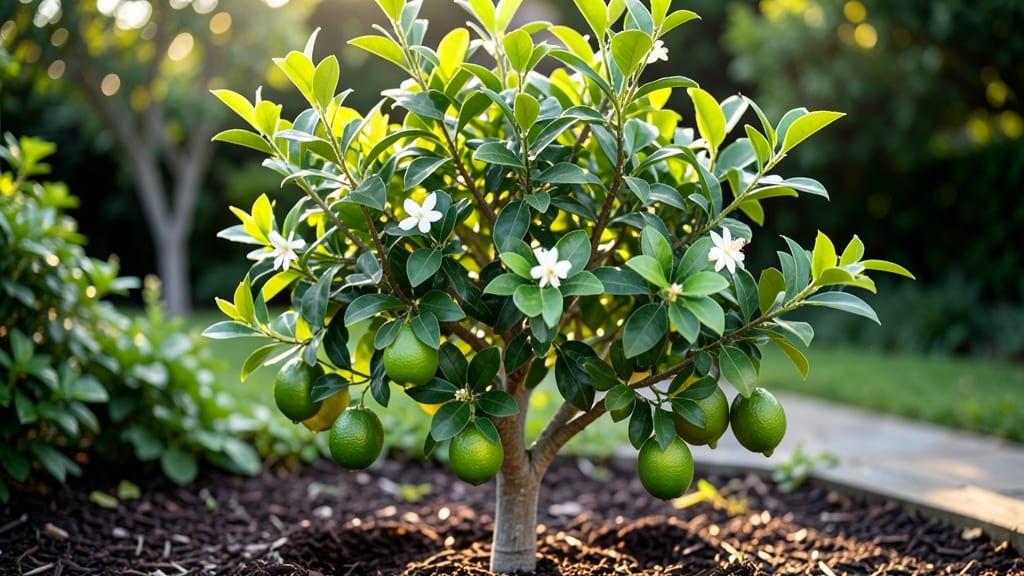
Your lime tree’s survival depends on knowing its zone—lime trees thrive in zones 9–11, but with the right tricks, you can grow them in cooler areas too.
I’ve pruned lime trees through three winters in zone 8, and the difference between a dead branch and a thriving one comes down to timing and protection.
The key isn’t just the zone number—it’s understanding how cold snaps, frost pockets, and even afternoon shade shift your tree’s needs season by season.
For zones 9–11, prune lightly in late winter (February) to shape the tree and remove dead wood before new growth starts. In cooler zones (8–9), container growing becomes your best friend—pots let you move trees indoors or under cover when temps dip below 28°F.
My lime tree in a 15-gallon pot survives winters on my covered patio, while in-ground trees in zone 10 need only a light mulch and occasional pruning to keep them compact and productive.
What you’ll end up with is a tree that produces year-round fruit—even in less-than-ideal climates. The pruning calendar isn’t just about cutting branches; it’s about encouraging the right growth at the right time.
In warm zones, focus on airflow to prevent citrus canker, while in cooler zones, prioritize root protection and gradual acclimation to outdoor temps in spring. The result? A tree that keeps bearing limes when others give up.
Whether you’re in a frost-prone zone or a mild coastal area, the same principles apply: prune after the last frost, protect roots in winter, and never skip the annual deep watering before dormancy.
The payoff is worth the effort—imagine fresh limes in January, even if you’re not in the ideal zone. Let’s get that tree thriving.
📚 In This Guide
- What you need
- Instructions
- Tips and common mistakes
- Wrapping up and next steps
What you need
- ● Pruning shears: Sharp, bypass-style shears (for clean cuts on small branches). Quantity: 1 pair.
- ● Loppers: For thicker branches (up to 2 inches in diameter). Quantity: 1 pair.
- ● Pruning saw: Heavy-duty saw for large branches (over 2 inches). Quantity: 1.
- ● Disinfectant: 70% isopropyl alcohol or a pruning sealant (to prevent disease spread). Quantity: Small bottle.
- ● Gloves: Heavy-duty gardening gloves (to protect hands from thorns and sap). Quantity: 1 pair.
- ● Ladder: Extendable or sturdy step ladder (if tree is over 6 feet tall). Quantity: 1.
- ○ Sharpie or marker: For labeling cuts (optional but helpful for tracking growth). Quantity: 1.
- ● Frost cloth: Lightweight fabric to protect young trees in USDA Zones 9-10 during unexpected cold snaps. Quantity: Enough to wrap the tree.
- ● Mulch: Organic mulch (e.g., wood chips) to insulate roots in cooler zones. Quantity: 2-3 inches, spread in a 3-foot radius.
- ● Citrus fertilizer: Slow-release, high-nitrogen fertilizer (e.g., 6-6-6 or 8-3-9 blend). Quantity: Follow package instructions.
- ● Hose or watering can: For post-pruning hydration (especially in Zone 11+ where drought stress is common). Quantity: 1.
- ● Handheld leaf blower (for quick cleanup).
- ● Tree wound dressing (for large cuts, though not always necessary for lime trees).
- ● Digital calendar or pruning app (to track seasonal tasks).
- ● Safety goggles (if working near dusty or thorny branches).
Instructions for year-round lime tree pruning by climate zone
Your lime tree’s health depends on timing—here’s how to prune it right for your zone.
Identify Your Climate Zone and Pruning Window
Lime trees thrive in USDA Zones 9-11, but pruning timing shifts based on your specific zone. In Zones 9-10, prune late winter to early spring (February-March) when new growth begins. In Zone 11, prune mid-summer (June-July) to encourage fall blooms. Check your zone first—pruning at the wrong time stresses the tree.
Look for dormant buds as your signal. In cooler zones, these appear as tiny bumps along branches before leaves emerge. In tropical zones, prune after heavy flowering when new shoots start forming. Never prune when the tree is under stress from drought or extreme heat.
Gather Tools and Prepare for Pruning
You’ll need sterilized pruning shears (clean with rubbing alcohol), sharp loppers for thicker branches, and gloves to protect from thorns. Lime trees bleed sap when cut, so prune on a dry, overcast day to minimize stress. Avoid pruning in high humidity—it invites fungal infections.
Lay down cardboard or a tarp beneath the tree to collect fallen debris. This makes cleanup easier and prevents pests from hiding in pruned branches. If your tree is young, prune 1/3 of the canopy max; mature trees can handle 20-30% of their branches removed at once.
Remove Dead, Diseased, or Crossing Branches First
Start by cutting out dead wood (no green underneath the bark) and diseased branches (mushrooms, black spots, or oozing sap). Make cuts just outside the branch collar—the swollen area where the branch meets the trunk—to promote fast healing. For crossing branches, remove the one growing straight up to improve airflow.
Next, trim suckers (shoots growing from the base) and water sprouts (thin, upright branches). These compete for nutrients. Use clean cuts at a 45-degree angle for branches over 1/4 inch thick—this prevents water pooling and rot. For smaller branches, a straight cut works fine.
Shape the Tree for Airflow and Light
Step back and visualize the tree’s open-center shape. Lime trees need good airflow to prevent fungal diseases like anthracnose. Thin out overcrowded branches from the center, starting from the bottom up. Aim to leave 6-12 inches of space between branches for sunlight to reach the interior.
Prune outer branches to encourage a rounded canopy. Cut back overly long limbs by 1/4 to 1/3 of their length, always making cuts just above a leaf bud or side branch. Avoid "topping" (cutting the main trunk)—this stunts growth and invites pests. After shaping, your tree should look balanced and full of light gaps.
Fertilize and Monitor Post-Pruning
After pruning, apply a balanced citrus fertilizer (6-6-6 ratio) to replenish nutrients. Water deeply to help the tree recover. In Zones 9-10, fertilize again in late spring when new growth appears. In Zone 11, fertilize twice a year—once after pruning and again in early fall.
Watch for new shoots emerging from pruned areas within 4-6 weeks. If the tree looks stressed (yellow leaves, wilting), it may need more frequent watering or partial shade until it recovers. Prune lightly in fall (October-November) to remove any remaining deadwood, but avoid heavy cuts—this stresses the tree before winter.
Tips & tricks for perfect lime tree pruning by zone
Timing and technique make all the difference when pruning lime trees—here’s how to avoid common mistakes and get it right every time.
Zone Timing Matters: In Zones 9-10, those February-March dates are critical for catching new growth while the tree is still dormant. I’ve seen trees stressed when pruned too early—wait until you spot those tiny dormant buds along the branches. For Zone 11, mid-summer pruning (June-July) encourages fall blooms, but only after flowering ends. Pruning at the wrong time can delay fruit production for months.
Tool Prep is Non-Negotiable: Sterilizing your pruning shears with rubbing alcohol isn’t just about clean cuts—it prevents spreading diseases between trees. I learned this the hard way after my first tree developed fungal spots from unsterilized tools. Also, use sharp loppers for branches over ½ inch thick; dull blades crush wood instead of making clean cuts, which slows healing. A dry, overcast day is ideal—humidity spreads fungal spores like wildfire.
Shape with Purpose: When thinning overcrowded branches in Step 4, focus on creating that open-center shape by working from the bottom up. I always visualize sunlight streaming through the center—this prevents fungal diseases like anthracnose by improving airflow. For outer branches, cutting back by ¼ to ⅓ of their length encourages bushier growth. The key is to leave 6-12 inches between branches so light reaches the interior leaves.
Post-Pruning Recovery: After fertilizing with that 6-6-6 citrus blend, monitor for new shoots in 4-6 weeks. If your tree looks stressed (yellow leaves or wilting), it’s signaling nutrient shock. Deep watering and partial shade for a few weeks can make all the difference. In Zones 9-10, a second fertilization in late spring gives the tree a growth boost, while Zone 11 trees need that fall feeding to prepare for winter.
Pro Tips for Lime Tree Zone
- Timing and technique make all the difference when pruning lime trees—here’s how to avoid common mistakes and get it right every time.
- Zone Timing Matters: In Zones 9-10, those February-March dates are critical for catching new growth while the tree is still dormant.
- Tool Prep is Non-Negotiable: Sterilizing your pruning shears with rubbing alcohol isn’t just about clean cuts—it prevents spreading diseases between trees.
Frequently asked questions
What’s the best time to prune lime trees in my specific hardiness zone?
Prune Mexican lime trees (Citrus aurantifolia) in late winter or early spring (zones 9-11)—just before new growth starts. In colder zones (8 or below), wait until after the last frost to avoid cold damage. Keywood and Persian limes follow similar timing but may tolerate light pruning in fall (zones 10-11) to shape growth before winter.
Can I prune lime trees in summer? What about heavy pruning?
Light pruning (removing dead branches or shaping) is safe in summer to encourage fruiting, but avoid heavy cuts—it stresses the tree and reduces winter hardiness. Pro tip: If you must prune heavily, do it in late spring and water deeply afterward. Summer pruning can also attract pests, so use sterilized tools and monitor for infestations.
How do I adjust pruning for lime trees in colder vs. warmer zones?
Warmer zones (10-11):
Prune year-round for shape/fruit, but avoid heavy cuts in peak summer heat (stress = sunscald risk). Cooler zones (8-9): Focus on winter cleanup (remove dead wood) and spring shaping. Dwarf varieties (like ‘Meyer’) need less pruning—just trim to open the canopy for airflow.
What if my lime tree isn’t fruiting after pruning? Troubleshooting tips!
Lack of fruit often stems from over-pruning, poor nutrition, or environmental stress. Check these fixes:
- Fertilize: Use citrus-specific fertilizer (high in nitrogen in spring, potassium/phosphorus in fall).
- Sunlight: Lime trees need 6+ hours of direct sun daily—prune nearby shade trees if needed.
- Watering: Deep water 1-2x/week (drought stress = fewer flowers/fruit).
- Age: Young trees (<3 years) focus on root/foliage growth before fruiting.
If the issue persists, test for pests (aphids, scale) or disease (citrus canker)—they can block flowering.
Are there lime tree alternatives for zones outside 8-11?
If your zone is too cold for traditional limes, try these cold-hardy citrus hybrids:
For container growing, move potted lime trees indoors in winter (zones <8).
Wrapping up and next steps
Mastering the lime tree zone pruning calendar is your ticket to lush, thriving trees year-round! 🌿 By following seasonal guidelines—like light shaping in spring and heavy cleanup in winter—you’ll boost fruit production, improve airflow, and keep pests at bay.
Remember, consistency is key, but don’t stress: even small adjustments make a big difference.
Ready to take the next step? Grab your pruners, sketch a quick plan for your tree’s unique needs, and start small—one branch at a time. Your lime tree (and future harvests!) will thank you!