
Diseases
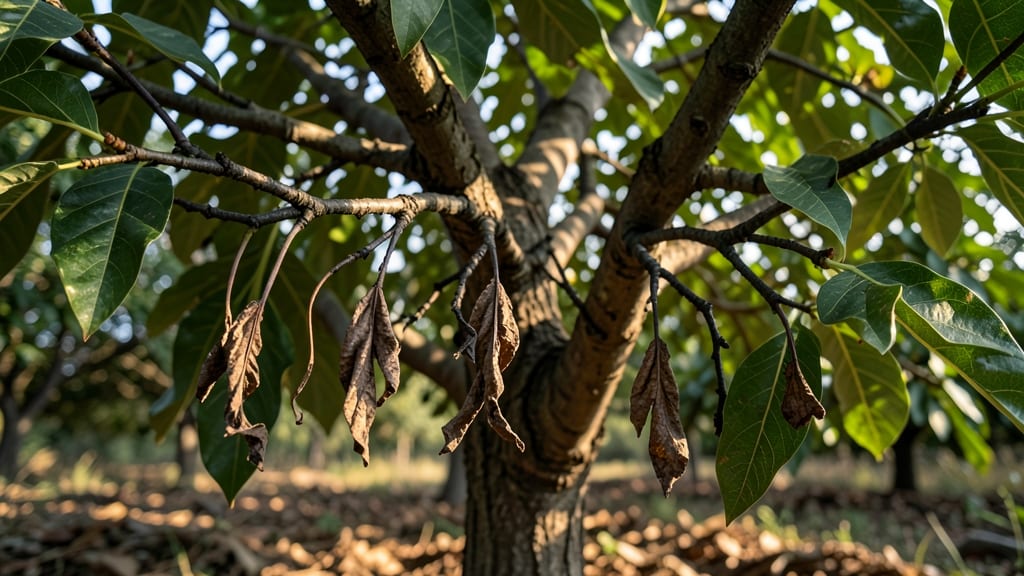
Avocado trees are prized for their fruit, but fungal diseases can devastate yields if left unchecked. This visual guide helps gardeners identify 10 common fungal infections through early symptoms, ensuring timely intervention before damage spreads.
Root Rot Symptoms on Avocado Tree Roots
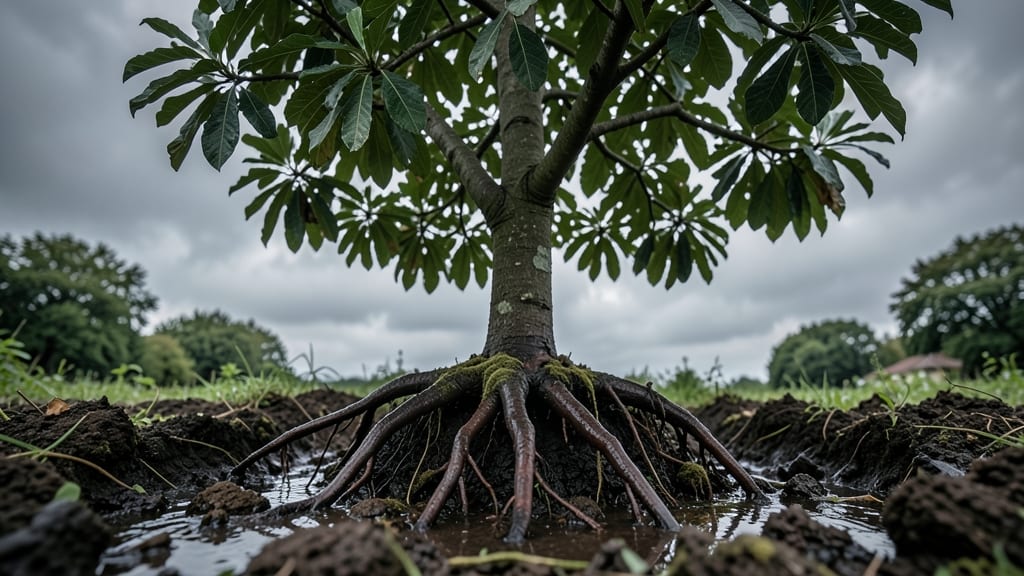
Your avocado tree’s sudden wilting might not be drought—it could be root rot, a fungal disease lurking underground. Unlike other fungal infections, root rot starts silently in waterlogged soil, turning healthy roots dark and mushy before you notice any above-ground symptoms.
Check for dark brown or blackened roots that crumble at the touch, often accompanied by a foul smell. This disease thrives in poorly draining soil, especially after heavy rains or overwatering. The key to saving your tree is acting fast: improve drainage, reduce watering, and consider fungicide treatments like copper-based sprays or benomyl for severe cases.
This silent killer affects both young saplings and mature trees, making it critical for home growers to monitor soil moisture. 💡
Powdery Mildew on Avocado Leaves
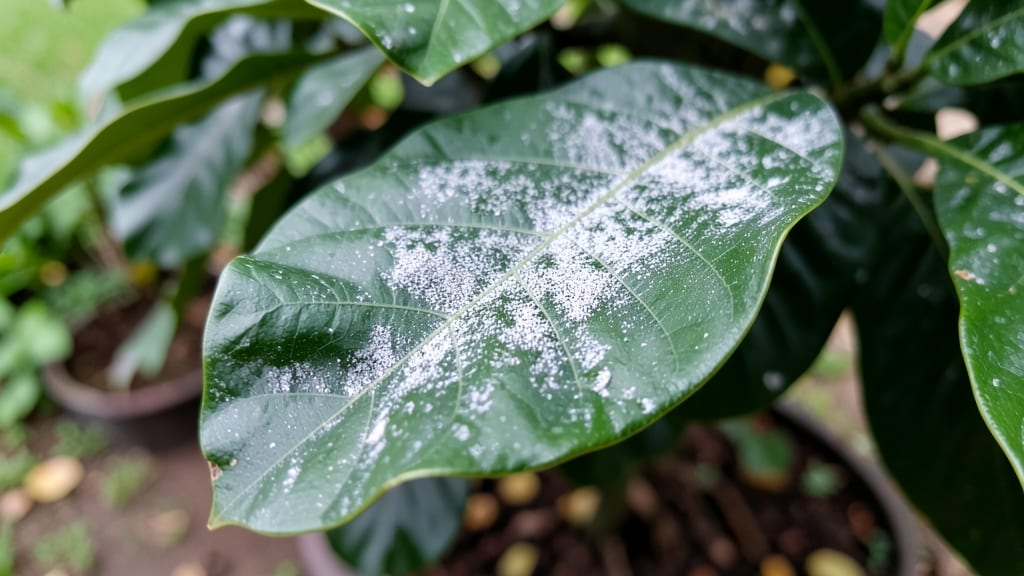
That white, dusty film on your avocado leaves isn’t just dust—it’s powdery mildew, a fungal infection that smothers leaves and blocks sunlight from reaching your tree’s foliage. Unlike root rot, this disease thrives in humid climates and spreads faster than you might think, often appearing first on upper leaves where airflow is poor.
To stop it, prune your tree to improve airflow and apply a baking soda spray (1 teaspoon baking soda + 1 quart water + a drop of dish soap) every 7-10 days during humid periods. For severe cases, use neem oil or a fungicide containing sulfur. The key is acting fast—once mildew covers more than 25% of a leaf, photosynthesis slows down, weakening your tree’s ability to produce fruit.
This disease is especially tricky for gardeners in coastal or tropical regions, where humidity lingers. Early detection—looking for those telltale white patches—can save your harvest before the fungus takes hold. 🌱
Anthracnose Spots on Avocado Fruit
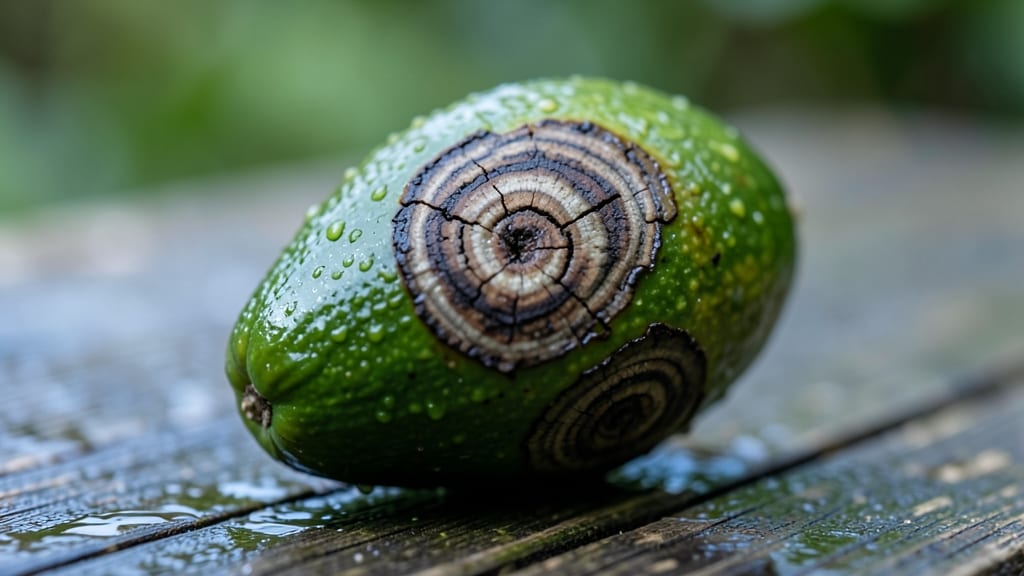
If your avocado fruit develops dark, sunken spots with concentric rings after heavy rain, you’re likely dealing with anthracnose—one of the most destructive fungal diseases for home growers. Unlike superficial blemishes, these lesions crack open as the fruit ripens, making it inedible and reducing harvests by up to 50% if untreated.
This disease thrives in humid, rainy conditions, so prevention starts before blooming season. Apply a copper fungicide spray (like copper hydroxide) every 2–3 weeks during wet periods, and prune lower branches to improve airflow. Remove and destroy infected fruit immediately to stop spore spread—never compost it, as spores can survive.
Anthracnose is especially devastating for young trees or those in tropical climates, where warm, moist air accelerates fungal growth. Home gardeners in Florida, California’s coastal regions, and Hawaii should monitor fruit closely after rainstorms. 🌱
Phytophthora Crown Rot Symptoms
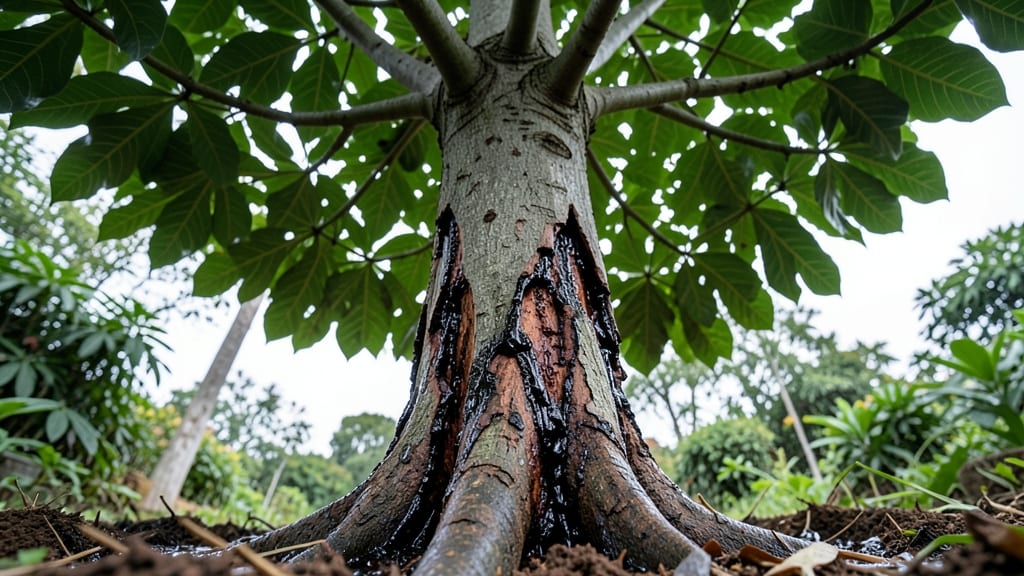
If your avocado tree’s trunk suddenly looks like it’s melting at the base, you’re likely dealing with Phytophthora crown rot—a stealthy killer that thrives in soggy soil. This pathogen attacks the vascular system of the tree, causing dark, oozing cankers that spread upward, often after prolonged drought followed by heavy rain.
The key symptoms include a collapsing trunk base, blackened bark, and a foul-smelling sap oozing from cracks. Unlike other fungal diseases, this one targets the crown and roots first, making it critical to act fast—once the tree’s stem weakens, recovery is nearly impossible. Prune infected areas immediately and improve drainage to prevent spores from lingering.
This disease is particularly deadly for container-grown avocados or trees in poorly drained soil. If you’ve noticed sudden wilting despite adequate watering, check the trunk base—early intervention could save your tree. 💚
Rust Fungus on Avocado Leaf Undersides
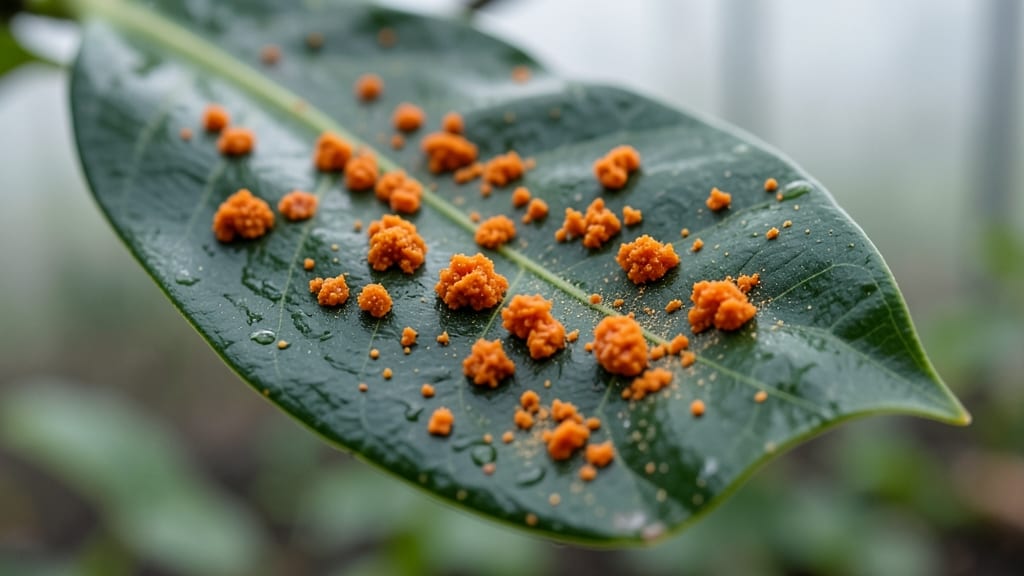
If you’ve noticed bright orange pustules forming on the undersides of your avocado leaves, you’re likely dealing with rust fungus—a seasonal but persistent issue that thrives in warm, humid conditions. Unlike other fungal diseases, rust spores spread quickly via wind, often appearing after rainy periods or in crowded canopies where airflow is poor.
This disease targets the leaf tissue, causing premature yellowing and drop, which weakens the tree’s ability to photosynthesize. Look for puffy, orange spots (like tiny blisters) on leaf undersides—these release spores that infect new leaves within days. Prune infected leaves immediately and avoid overhead watering to reduce spore spread. For organic control, apply a copper fungicide spray every 2-3 weeks during high-risk seasons (spring and fall).
Home gardeners in tropical or subtropical climates should monitor their trees closely, as rust can stunt growth and reduce fruit production if untreated. Early action is key—catching it before spores take hold makes all the difference. 🌟
Fusarium Wilt Yellowing Leaves
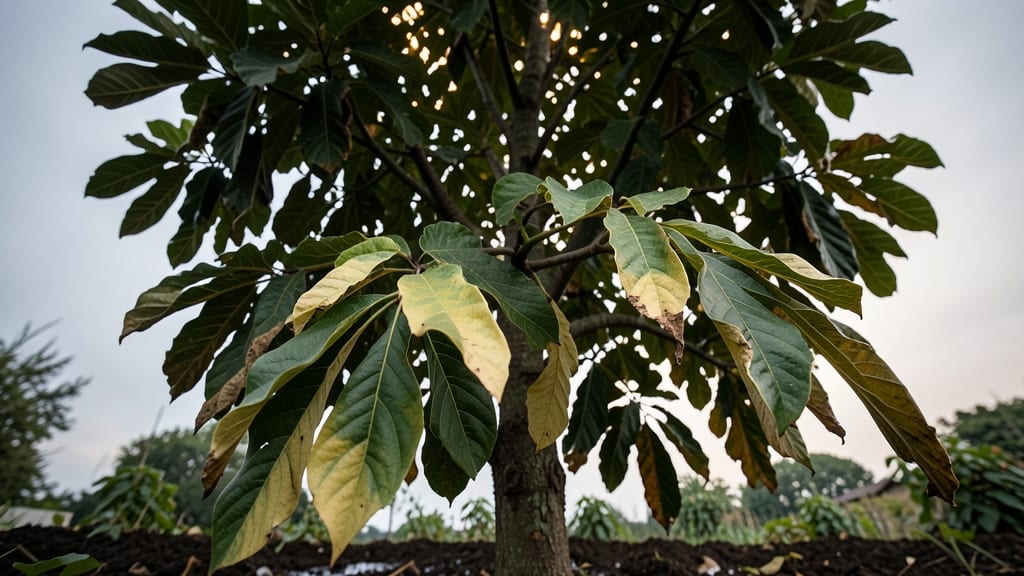
When your avocado tree’s leaves start yellowing from the bottom up, don’t assume it’s just thirst—Fusarium wilt may be silently clogging its vascular system. This fungal disease creates a traffic jam inside the tree’s water pipes, causing leaves to wilt and die even when soil stays moist.
The key clue is brown streaks in the stem when you cut open a branch—these block water flow, turning lower leaves yellow first before creeping upward. Unlike nutrient deficiencies, this disease spreads through contaminated soil or tools, so sterilize pruners and avoid overwatering to prevent its spread.
Home gardeners in warm climates should test soil for fungus before planting new trees, as infected soil can harbor spores for years. Catching this early means the difference between a salvageable tree and a lost harvest. 🌿
Botrytis Blight on Avocado Flowers
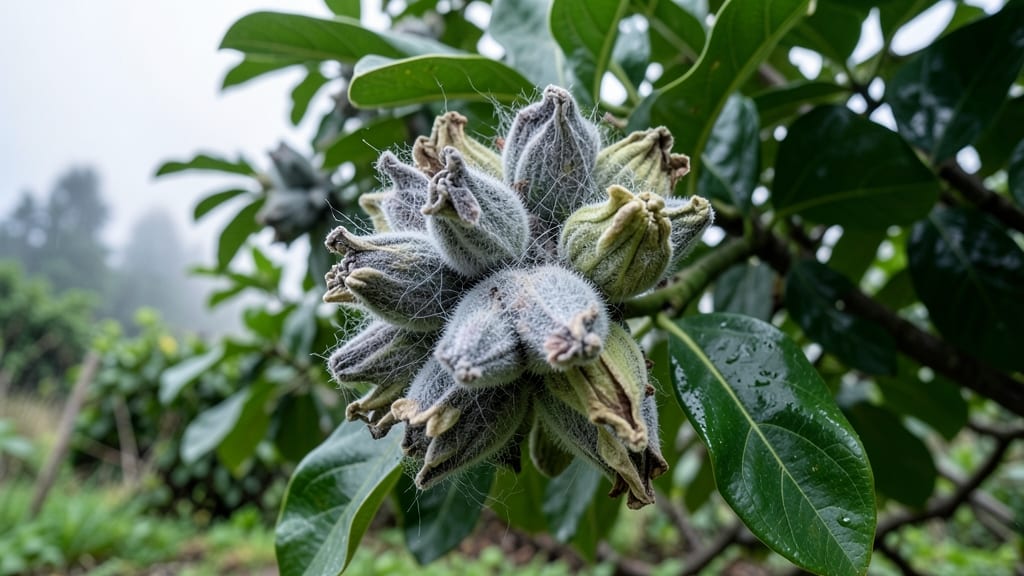
If your avocado tree’s blossoms are covered in a gray, fuzzy mold after a damp spring, you’re likely dealing with Botrytis blight—a sneaky disease that robs your tree of potential fruit. Unlike other fungal issues, this one targets flowers specifically, causing them to drop before they can pollinate.
This disease thrives in crowded canopies where airflow is poor, and it’s most aggressive after prolonged wet conditions. To prevent it, prune your tree in late winter to open up the canopy, and remove any infected flowers immediately. A copper fungicide spray applied before blooming can also help protect vulnerable blossoms.
Gardeners in humid climates or those with densely planted avocado orchards should monitor for this disease closely. Early action can mean the difference between a bountiful harvest and a disappointing one. 🌿
Scab Lesions on Avocado Fruit Skin
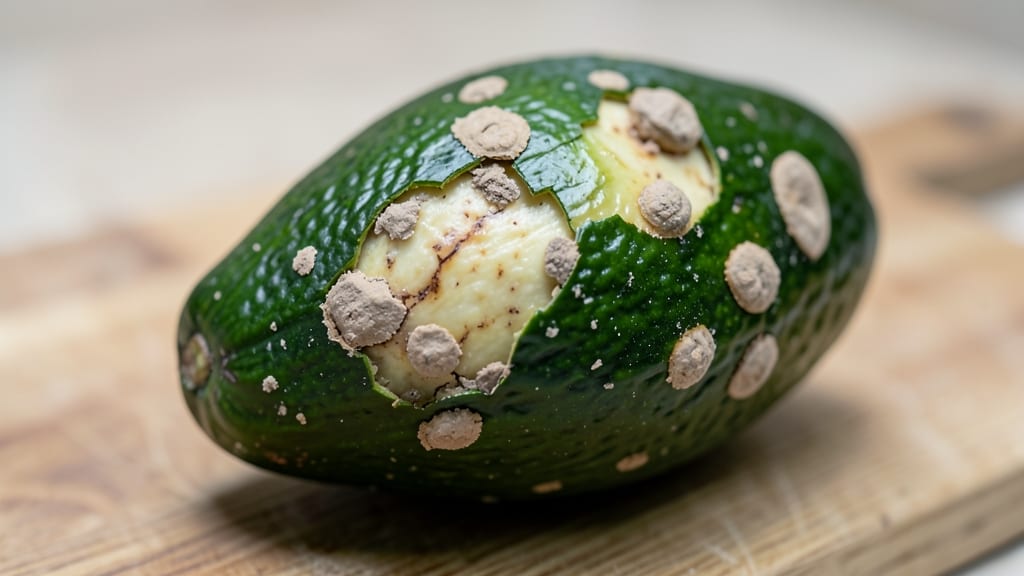
If your avocado fruit develops raised, corky bumps that crack open as it ripens, you’re likely dealing with scab lesions caused by the Sphaceloma fungus. Unlike other diseases that target leaves or roots, this one directly mars the fruit’s appearance, making it unmarketable and unsightly.
These lesions start as small, rough spots on the skin and worsen in humid conditions, especially during spring and summer. To prevent spread, remove infected fruit immediately and apply a copper fungicide spray every 2-3 weeks during blooming season. Pruning for better airflow also reduces humidity near the fruit.
Home gardeners in tropical or subtropical climates should monitor fruit closely—early detection is key to saving your harvest. A single infected fruit can contaminate nearby ones, so isolation helps. 🌿
Armillary Root Rot in Potted Avocados
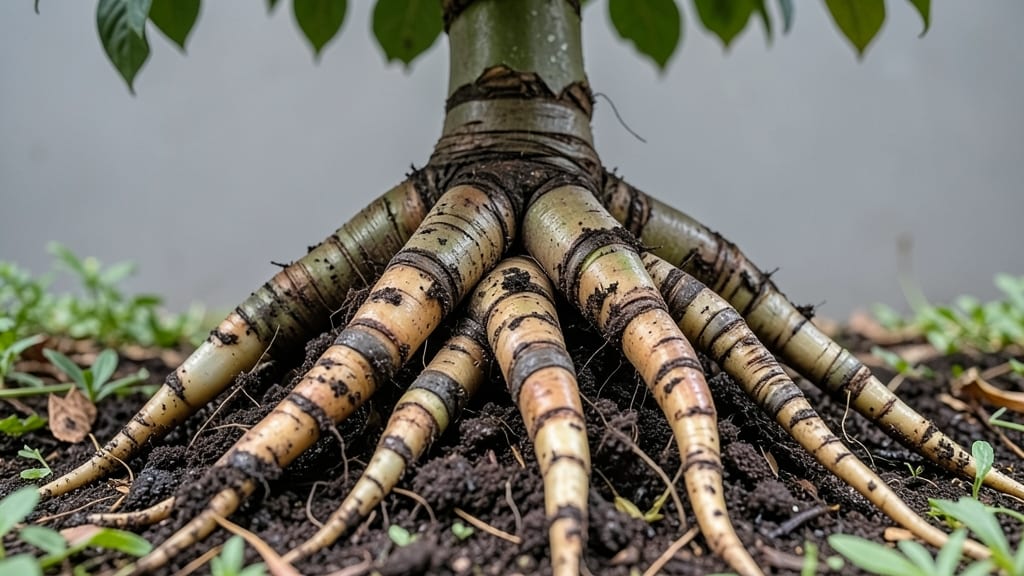
If your potted avocado tree suddenly stops thriving despite consistent care, check its roots—armillary root rot creates distinctive ring-like constrictions that strangle growth. Unlike typical root rot, this container-specific disease targets the root segments, forming visible bands that restrict water and nutrient flow.
Overwatering is the primary culprit, especially in pots without drainage. When roots develop these fungal-induced constrictions, the tree may show stunted growth or leaf yellowing before the root damage becomes visible. The solution? Remove the tree from its pot, prune affected roots, and repot in sterile, well-draining media mixed with perlite or orchid bark to prevent recurrence.
Urban gardeners with limited space will appreciate this targeted fix—it’s the only way to save a potted avocado when traditional root rot treatments fail. Catch it early! 🌱
Dieback Disease on Avocado Branches

When your avocado tree suddenly develops wilted branch tips with blackened twigs, it’s rarely drought—it’s likely dieback disease, a fungal invader that exploits pruning wounds. Unlike other fungal issues, this one targets the vascular system, cutting off water flow to entire sections of branches.
The key to stopping it? Prune with sterilized tools and seal cuts immediately with pruning sealant. Remove infected branches 6 inches below the blackened area to prevent spread, and avoid overhead watering during wet seasons. Copper fungicides applied preventatively can also create a protective barrier.
This disease is especially tricky for home gardeners who prune regularly—it thrives in humid climates and spreads silently until branches start dying back. Catching it early means saving your tree’s structure and future harvests. 💪